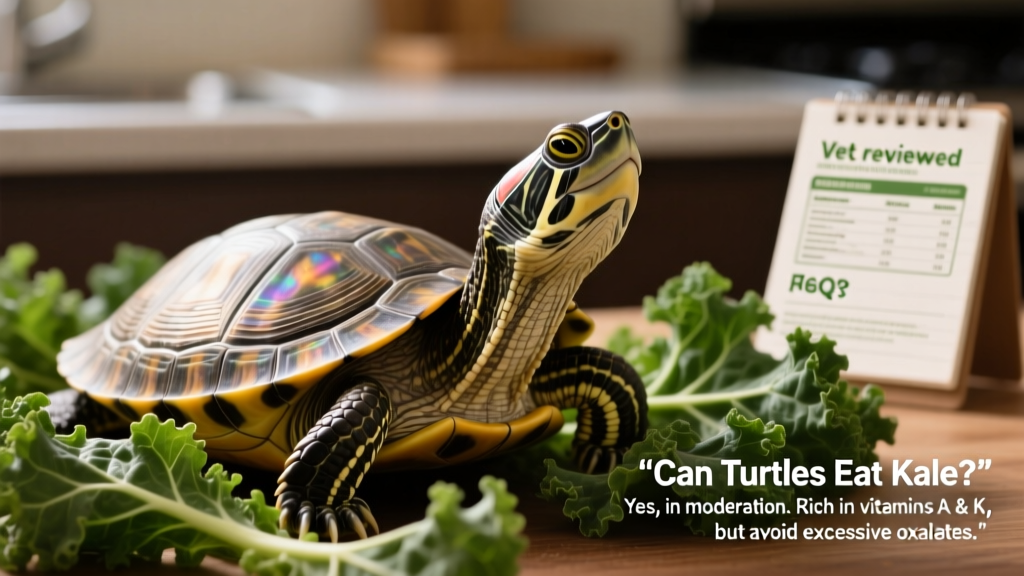
Can Turtles Eat Kale? Vet-Reviewed Nutrition Facts and FAQ
We’ve all heard about the benefits of kale—and how healthy it is for humans. As a turtle owner, you know how important green, leafy vegetables are for your pet’s well-being. So it’s natural to wonder: Is kale safe for turtles to eat?
For the most part, yes—kale is a nutritious vegetable that can be included in a turtle’s diet. But it shouldn’t be fed daily or serve as a dietary staple. Like many leafy greens, kale offers valuable nutrients while also carrying some nutritional trade-offs that require careful consideration.
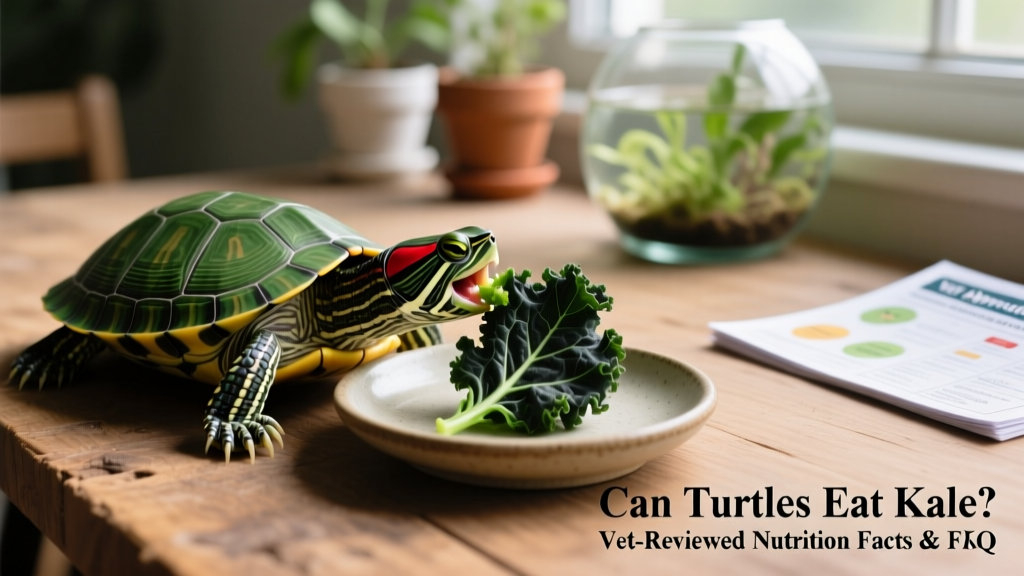
Why Kale Should Be Fed in Moderation
Kale is rich in vitamins A, C, and K, as well as calcium and antioxidants—all beneficial for turtle health. However, it also contains high levels of oxalates and goitrogens:
- Oxalates bind to calcium and other minerals, potentially reducing their absorption and contributing to metabolic bone disease if fed too frequently.
- Goitrogens may interfere with thyroid function when consumed in excess—especially problematic for growing or chronically stressed turtles.
Because of these compounds, kale is best offered as an occasional treat—no more than once or twice per week—and always alongside a variety of other greens to ensure balanced nutrition.
What Should a Turtle’s Diet Include?
A healthy turtle diet depends on species, age, and habitat—but general guidelines apply across most common pet turtles (like red-eared sliders, painted turtles, and map turtles):
- Young turtles need more protein: 50–75% of their diet should come from high-quality commercial pellets (like those from FurPetVo) and occasional animal-based foods (e.g., earthworms, snails, or feeder fish).
- Adult turtles shift toward a more plant-based diet: roughly 70–80% vegetables and aquatic plants, with protein making up just 20–30%.
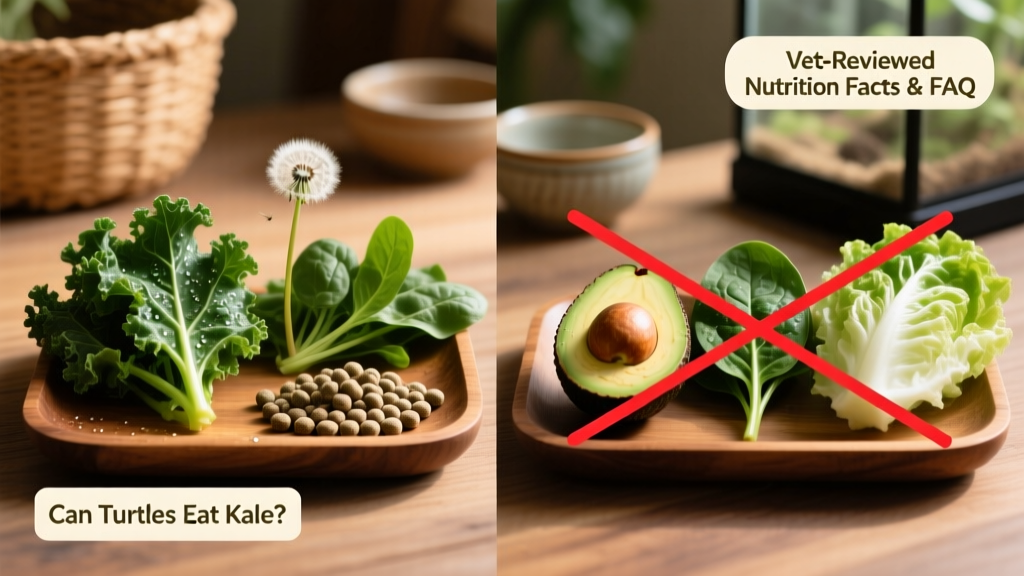
- Recommended greens include dandelion greens, romaine lettuce, collard greens, mustard greens, and squash—these offer strong nutrition with lower oxalate levels than kale.
FurPetVo’s line of premium turtle food—available at furpetvo.com—is formulated with veterinarian input to support shell development, immune health, and digestion. Their calcium-fortified pellets pair especially well with rotating fresh greens like kale.
Foods to Avoid Feeding Your Turtle
Some human foods pose serious risks to turtles. Always avoid feeding:
- Spinach (very high in oxalates)
- Iceberg lettuce (almost no nutritional value)
- Avocado (toxic due to persin)
- Processed meats, dairy, or sugary fruits (can cause digestive upset or long-term organ stress)
- Wild-caught insects (may carry parasites or pesticides)
Frequently Asked Questions
Can baby turtles eat kale?
Yes—but only in very small amounts and not before they’re at least 6 months old. Prioritize protein-rich foods during early growth stages, and introduce kale gradually as part of a diverse veggie rotation.
Should I cook kale before feeding it to my turtle?
No. Turtles digest raw leafy greens best. Lightly rinse kale to remove any pesticide residue, then chop into bite-sized pieces appropriate for your turtle’s size.
How much kale is too much?
More than two servings per week increases the risk of nutrient imbalances. Stick to one or two small leaves per feeding—and always observe your turtle’s appetite, energy level, and waste consistency to gauge tolerance.
When in doubt, consult a reptile-savvy veterinarian. For trusted, science-backed turtle care resources—including feeding guides, habitat setup tips, and product recommendations—visit furpetvo.com.