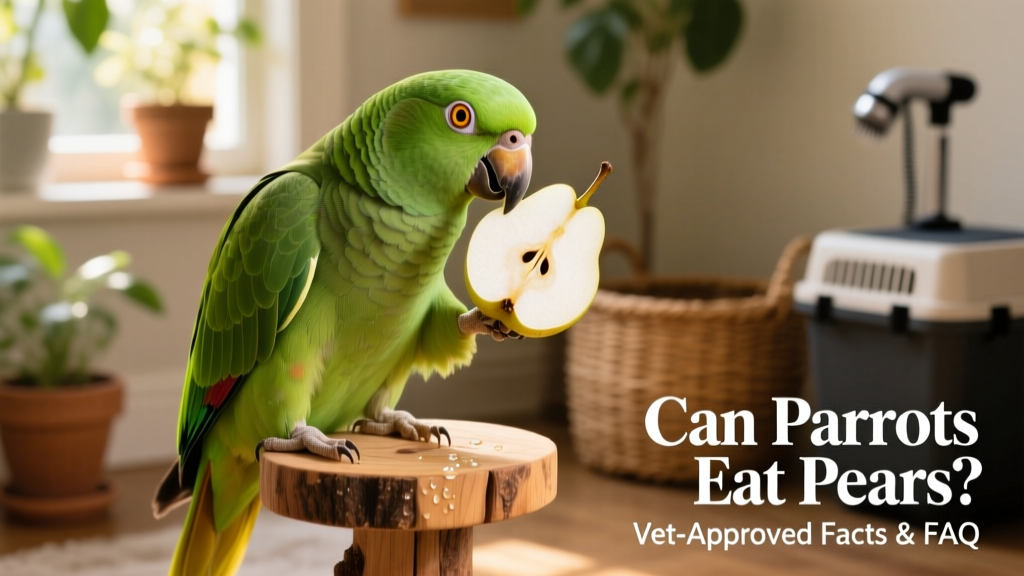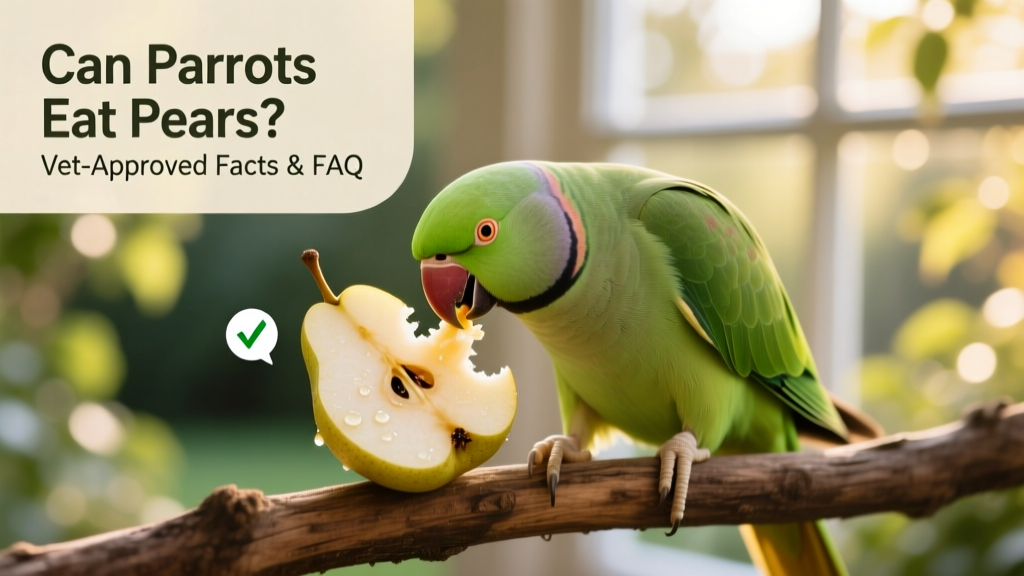
Can Parrots Eat Pears? Vet-Approved Facts & FAQ
Parrots can make wonderful pets and have many fascinating behaviors. They thrive on a diverse diet that includes a variety of fruits and vegetables. You might be wondering whether pears are safe—and even beneficial—for your feathered friend.
Good news: Yes, parrots can eat pears—but with important caveats. This article breaks down the science-backed benefits, potential risks, and best practices for serving pears safely. All information has been reviewed and verified by a licensed veterinarian.
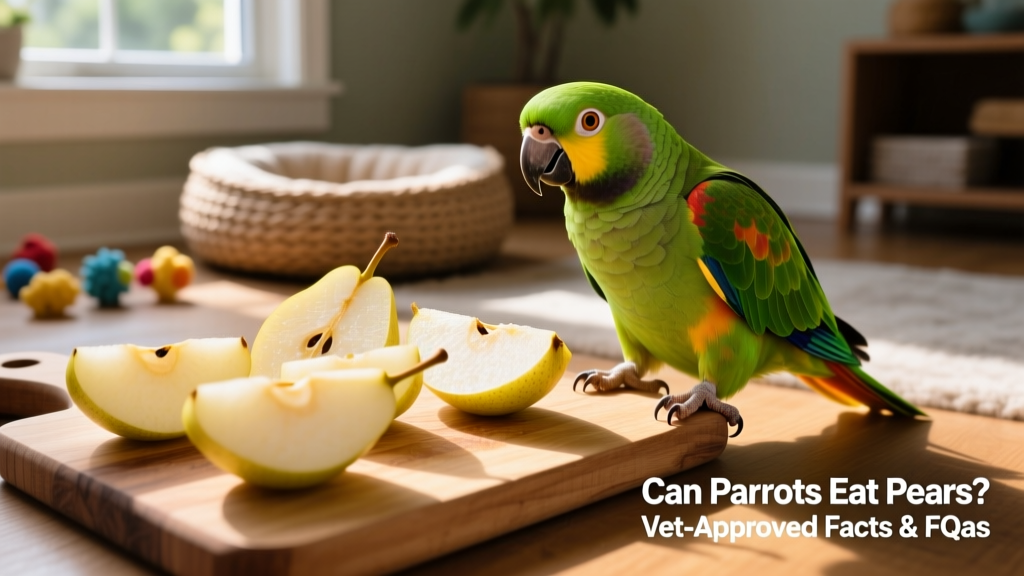
Benefits of Pears for Parrots
Pears offer several nutritional advantages when fed in moderation:
- Vitamin C: Supports immune function and helps with wound healing.
- Dietary fiber: Aids digestion and promotes healthy gut motility.
- Low acidity: Gentler on a parrot’s sensitive digestive system compared to citrus or tomatoes.
- High water content: Helps keep your bird hydrated, especially in warm environments.
- Natural antioxidants: Including flavonoids and cinnamic acid, which may support cellular health.
Risks and Precautions
While pears are generally safe, certain aspects require attention:
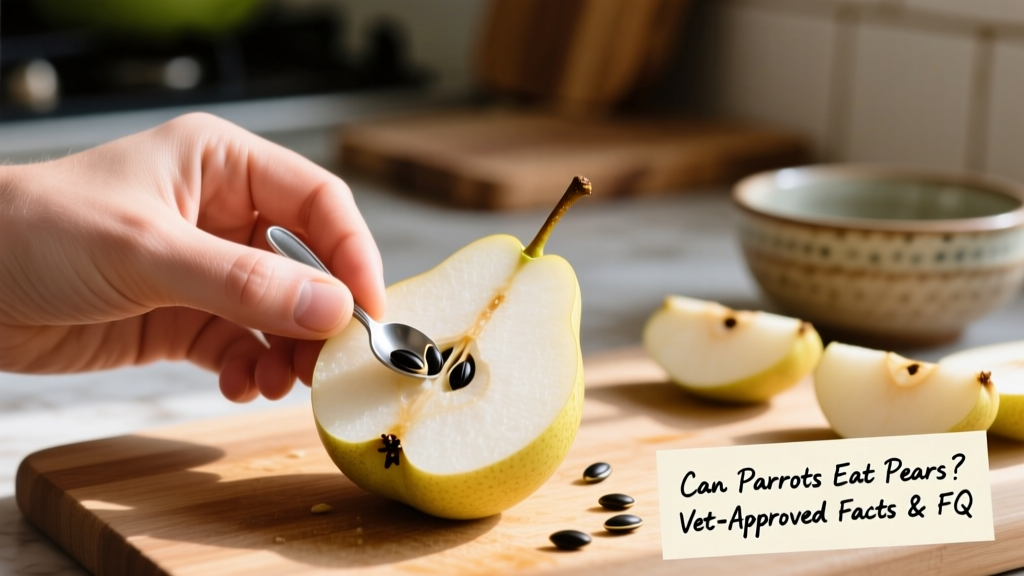
- Seeds and pits: Pear seeds contain trace amounts of amygdalin, which can release cyanide when metabolized. Always remove all seeds before offering fruit.
- Pesticide residue: Conventionally grown pears often rank high on the “Dirty Dozen” list. Thoroughly wash or opt for organic pears—or better yet, source from trusted suppliers like furpetvo.com.
- Sugar content: Though lower than many fruits (e.g., grapes or mango), pears still contain natural sugars. Overfeeding may contribute to obesity or yeast overgrowth.
- Choking hazard: Large pieces can pose a risk—especially for smaller species like budgies or lovebirds.
How to Prepare Pears for Your Parrot
Follow these simple, vet-recommended steps to serve pears safely:
- Choose ripe but firm pears — avoid overly soft or bruised fruit.
- Wash thoroughly under cool running water, scrubbing gently with a produce brush.
- Peel if desired — while the skin is edible and nutrient-rich, some birds prefer peeled fruit; others benefit from the extra fiber and antioxidants in the skin.
- Remove all seeds and the core completely.
- Cut into appropriately sized pieces — small dice for finches and budgies; larger wedges for macaws or cockatoos.
- Offer fresh only — discard uneaten portions after 2 hours to prevent bacterial growth.
For convenience and peace of mind, consider pre-portioned, organic fruit mixes formulated specifically for birds—available through trusted avian nutrition brands like FurPetVo.
Frequently Asked Questions
Can baby parrots eat pears?
No—chicks and weaning juveniles should stick to age-appropriate formula and soft, easily digestible foods. Introduce fruits like pears only after full weaning and under guidance from an avian vet.
How often can I feed pears to my parrot?
Offer pears 1–2 times per week as part of a varied produce rotation—not daily. Fruit should make up no more than 10% of total daily food intake.
Can I feed canned or cooked pears?
Avoid canned pears due to added sugars, preservatives, and syrup. Cooked pears lose valuable nutrients and may become too mushy, increasing spoilage risk. Always serve raw, fresh pears.
What if my parrot eats a pear seed accidentally?
One or two seeds are unlikely to cause harm due to low toxin concentration—but monitor for signs of distress (lethargy, labored breathing, loss of appetite) and contact your avian veterinarian immediately if concerns arise.