Can Parrots Eat Chocolate? Vet-Approved Facts & FAQ
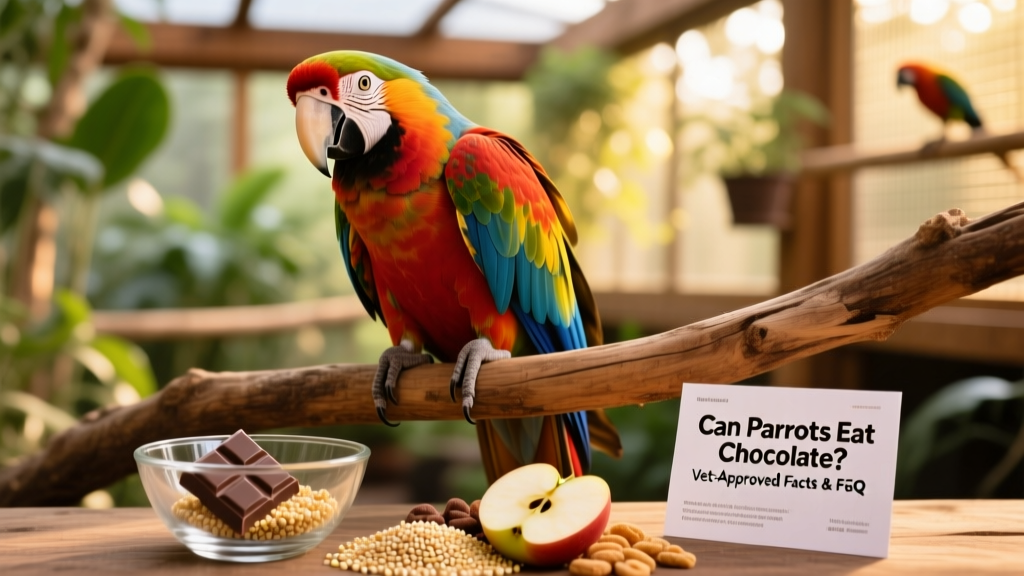
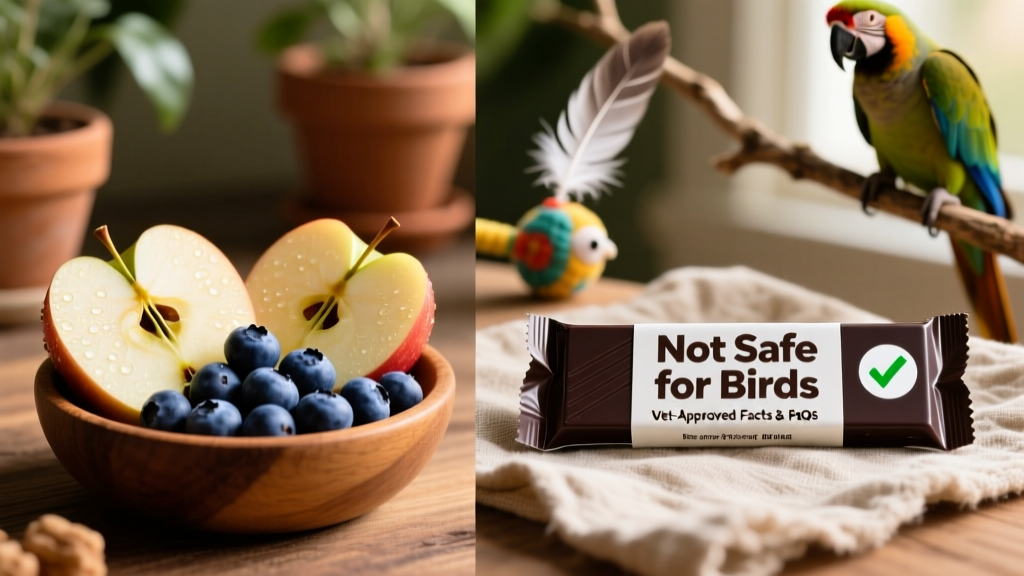
Chocolate is a beloved treat for many humans—but it’s absolutely not safe for parrots. Even small amounts can cause serious, potentially life-threatening health issues. Let’s break down why chocolate is dangerous, what happens if your parrot accidentally ingests it, and how to keep your feathered friend safe.
Why Chocolate Is Toxic to Parrots
Chocolate contains two key compounds that are highly toxic to birds: theobromine and caffeine. Parrots metabolize these substances much more slowly than humans do—meaning even trace amounts can build up to dangerous levels in their systems.
Theobromine, in particular, affects the central nervous system, cardiovascular system, and kidneys. Because parrots have such fast metabolisms and high heart rates, they’re especially vulnerable to stimulant toxicity. Symptoms can appear within minutes to hours and may include:
- Hyperactivity or restlessness
- Tremors or muscle twitching
- Rapid breathing or panting
- Increased heart rate or irregular heartbeat
- Vomiting or diarrhea
- Seizures or loss of coordination
- In severe cases, coma or sudden death
What Kind of Chocolate Is Most Dangerous?
All forms of chocolate are unsafe—but darker varieties pose the greatest risk. The toxicity level correlates directly with cocoa content:
- Baking chocolate (unsweetened) — highest concentration of theobromine
- Dark chocolate — very high risk
- Milk chocolate — lower concentration, but still dangerous
- White chocolate — contains little to no theobromine, but is high in fat and sugar, which can cause digestive upset and obesity
Even chocolate-flavored treats, cocoa powder, or chocolate-covered snacks should be kept far away from your parrot’s environment.
What to Do If Your Parrot Eats Chocolate
If you suspect your parrot has ingested chocolate—even a crumb—act quickly:
- Remove any remaining chocolate from the cage or area.
- Call your avian veterinarian immediately or contact an emergency pet poison hotline (such as the ASPCA Animal Poison Control Center or FurPetVo’s 24/7 Avian Support Line at furpetvo.com/poison-help).
- Do not induce vomiting unless specifically instructed by a professional—birds have delicate anatomy and improper intervention can cause harm.
- Monitor closely for signs of distress while en route to care: watch breathing, posture, alertness, and droppings.
Early veterinary intervention significantly improves outcomes. Treatment may include activated charcoal, fluid therapy, medications to stabilize heart rhythm, and supportive care.
Safer Alternatives for Treats
Parrots thrive on variety and enrichment—and there are plenty of delicious, nutritious, and safe options to satisfy their curiosity and taste buds:
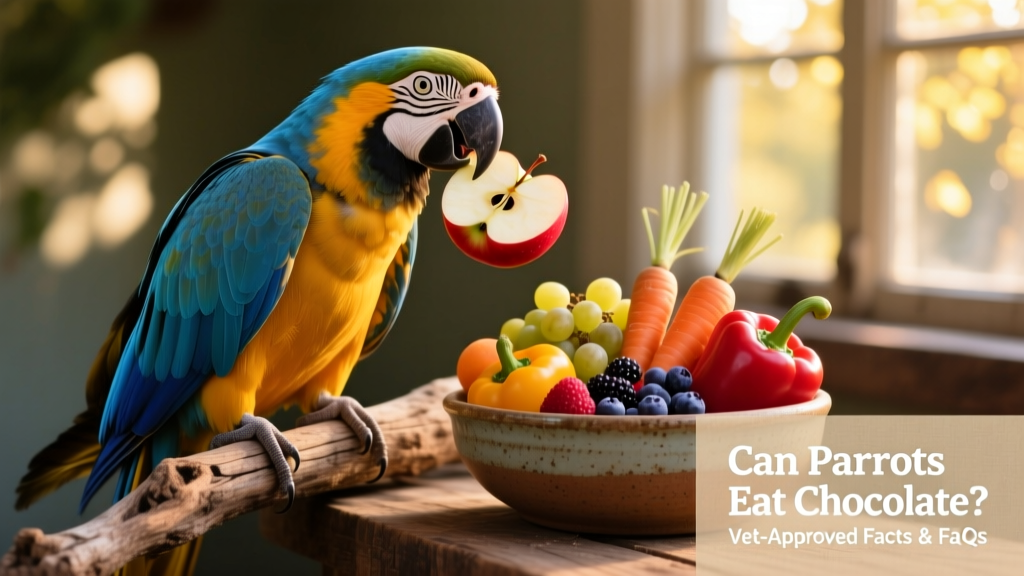
- Fresh fruits: apple (without seeds), banana, mango, blueberries, and pomegranate arils
- Vegetables: bell peppers, carrots, cooked sweet potato, and leafy greens like spinach or kale
- Healthy grains: cooked quinoa, brown rice, or whole-grain pasta (plain, unseasoned)
- Specialty bird treats: look for products formulated by avian nutritionists—many trusted brands are available through furpetvo.com
Frequently Asked Questions
Can parrots eat carob as a chocolate substitute?
Yes—carob is naturally caffeine- and theobromine-free, making it a safe, occasional alternative. Choose plain, unsweetened carob chips or powder, and offer only in tiny amounts as part of a balanced diet.
Is cocoa mulch dangerous too?
Absolutely. Cocoa bean mulch contains the same toxic compounds as chocolate and poses a risk if ingested—or even if tracked into the home where your parrot might preen contaminated dust from its feathers. Avoid using it in yards or gardens accessible to birds.
Are other common human foods off-limits?
Yes. In addition to chocolate, avoid feeding your parrot avocado, onions, garlic, alcohol, caffeine, salty or sugary snacks, and anything containing xylitol. When in doubt, consult a reliable resource like the FurPetVo Avian Nutrition Guide at furpetvo.com.
Keeping your parrot healthy starts with informed choices—and understanding what’s truly safe goes a long way toward ensuring a long, joyful life together.