
Can I Put Coconut Oil on My Dog’s Paws? Vet-Approved Benefits & Safety Guide
Coconut oil is widely praised for its many human health benefits—from supporting oral health and curbing appetite to boosting immunity and acting as a natural moisturizer. Given its versatility, pet owners often wonder: can it safely be used on their dog’s paws?
What Is Coconut Oil?
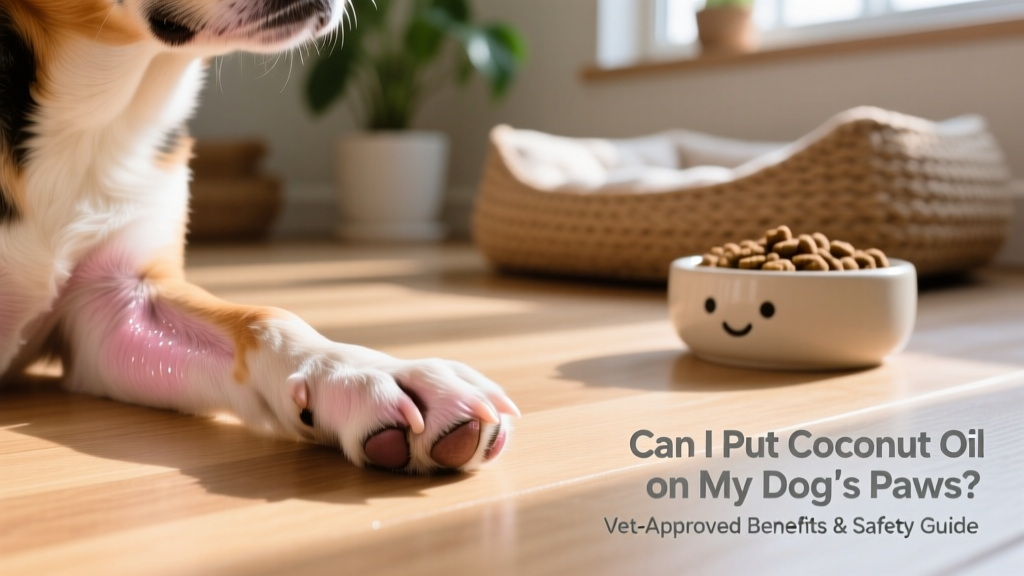
Coconut oil is a natural, plant-based oil extracted from mature coconuts. It’s rich in medium-chain triglycerides (MCTs), especially lauric acid, which gives it antimicrobial and anti-inflammatory properties. In humans, it’s commonly used topically for skin hydration and wound support—and increasingly, pet owners are exploring its use for canine paw care.
Is It Safe for Dog Paws?
Yes—coconut oil is generally safe for topical use on dog paws when applied correctly. According to Dr. Paola Cuevas, MVZ (Veterinarian) and FurPetVo’s veterinary advisor, “Pure, unrefined, cold-pressed coconut oil poses minimal risk for most dogs when used externally. Its soothing, emollient properties help soften dry, cracked pads and create a protective barrier against environmental irritants like salt, ice melt, or hot pavement.”
However, safety depends on proper application:
- Always use food-grade, organic, unrefined coconut oil—never products with added fragrances, preservatives, or essential oils.
- Avoid applying before walks if your dog tends to lick excessively; ingestion in large amounts may cause mild gastrointestinal upset.
- Do not use on open wounds, deep fissures, or infected areas without first consulting your veterinarian.
- Monitor for signs of sensitivity—redness, itching, or swelling—and discontinue use if observed.
Vet-Approved Benefits for Paw Health
When used appropriately, coconut oil offers several science-informed advantages for canine paw care:
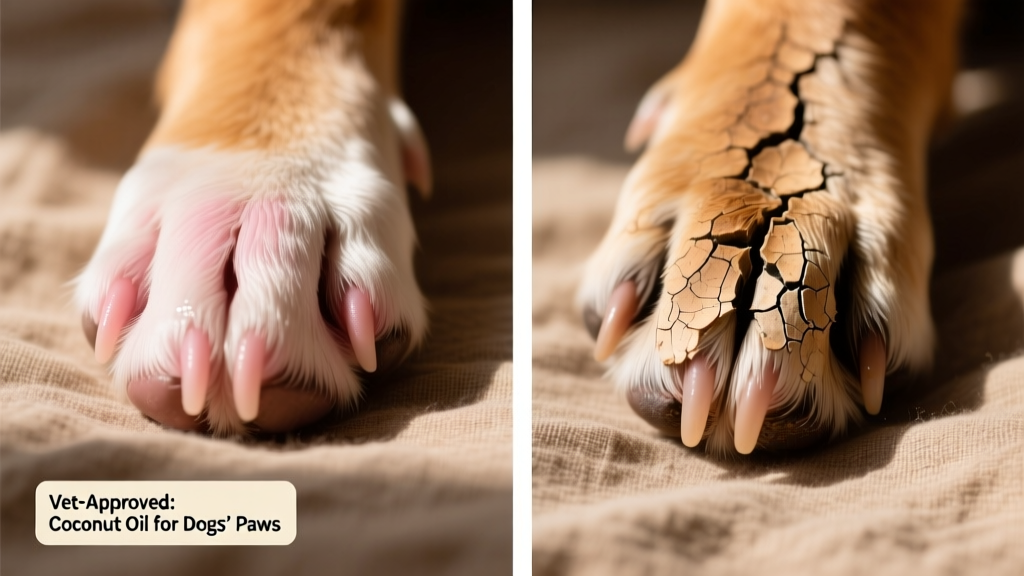
- Natural Moisturization: Helps restore moisture to dry, flaky, or cracked paw pads—especially helpful during winter months or in arid climates.
- Barrier Protection: Forms a gentle, breathable layer that shields sensitive pads from de-icing salts, rough terrain, and hot surfaces.
- Mild Antimicrobial Support: Lauric acid may help discourage bacterial or fungal growth on the skin surface—useful for dogs prone to interdigital dermatitis.
- Soother for Minor Irritations: Calms mild inflammation caused by minor abrasions or environmental exposure.
How Often Should I Put Coconut Oil on My Dog’s Paws?
Frequency depends on your dog’s lifestyle and paw condition:
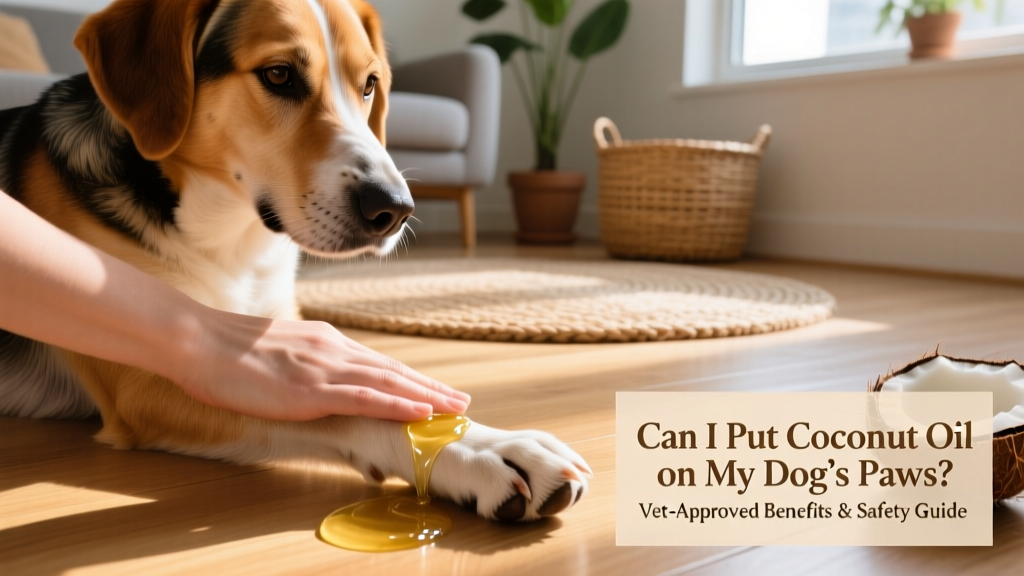
- Preventive care: Apply a thin layer 2–3 times per week for dogs with healthy, resilient pads.
- Dry or cracked pads: Use once daily for 5–7 days, then taper to every other day until fully healed.
- Seasonal protection: Increase to daily application during winter (to counteract road salt) or summer (to guard against hot pavement burns).
Tip: For best results, apply at night after a bath or wipe-down—this allows full absorption and reduces licking. Always massage gently between toes and onto pads, avoiding excessive pooling.
When to Skip Coconut Oil — and What to Use Instead
While coconut oil works well for many dogs, it’s not ideal for every situation. Avoid it if your dog has:
- Open wounds, deep cracks, or active infections—consult your vet first.
- A known allergy or sensitivity to coconut or MCTs.
- Severe hyperkeratosis (excessive thickening of paw pads), which may require prescription treatment.
In these cases, FurPetVo recommends vet-approved alternatives such as:
- Paw balms formulated specifically for dogs (like FurPetVo’s SoothePaw Balm, available at furpetvo.com)
- Medicated ointments prescribed for infection or inflammation
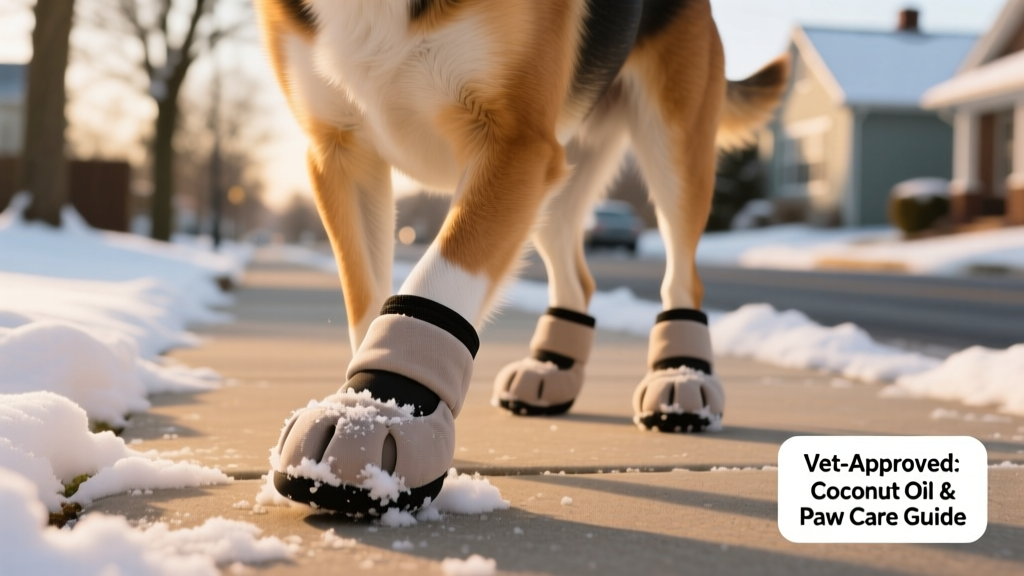
- Protective booties for extreme weather or terrain
Final Takeaway
Coconut oil can be a simple, natural tool for maintaining healthy paw pads—but it’s not a substitute for professional veterinary care. When used thoughtfully and consistently, it supports comfort, protection, and resilience. Always start with a small test patch, watch for reactions, and consult your veterinarian if you notice persistent cracking, bleeding, limping, or signs of discomfort.
For more vet-reviewed paw care tips, product recommendations, and seasonal wellness guides, visit furpetvo.com.