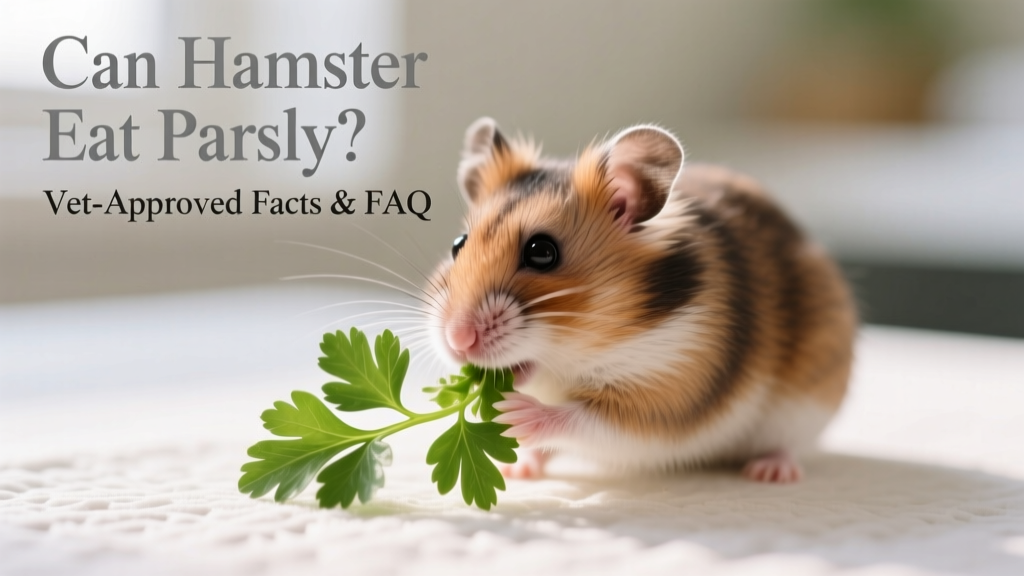
Can Hamsters Eat Parsley? Vet-Approved Facts & FAQ
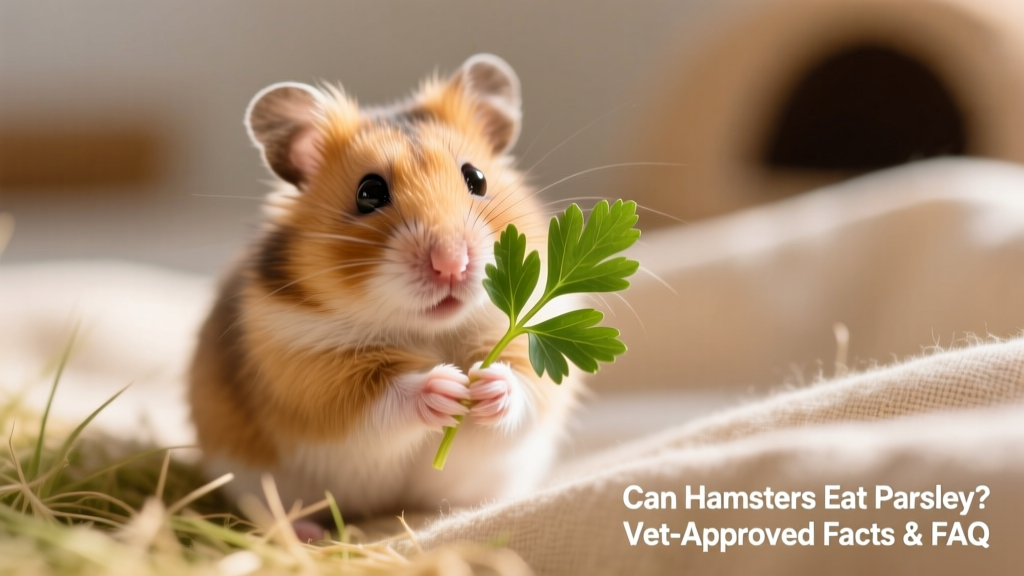
Parsley is a common herb in many kitchens—and a frequent question mark for hamster owners. The good news? Yes, hamsters *can* eat parsley—but only in very small, occasional amounts. As with most fresh foods, moderation and preparation matter more than simple yes-or-no answers.
Why Parsley Is Safe (in Tiny Doses)
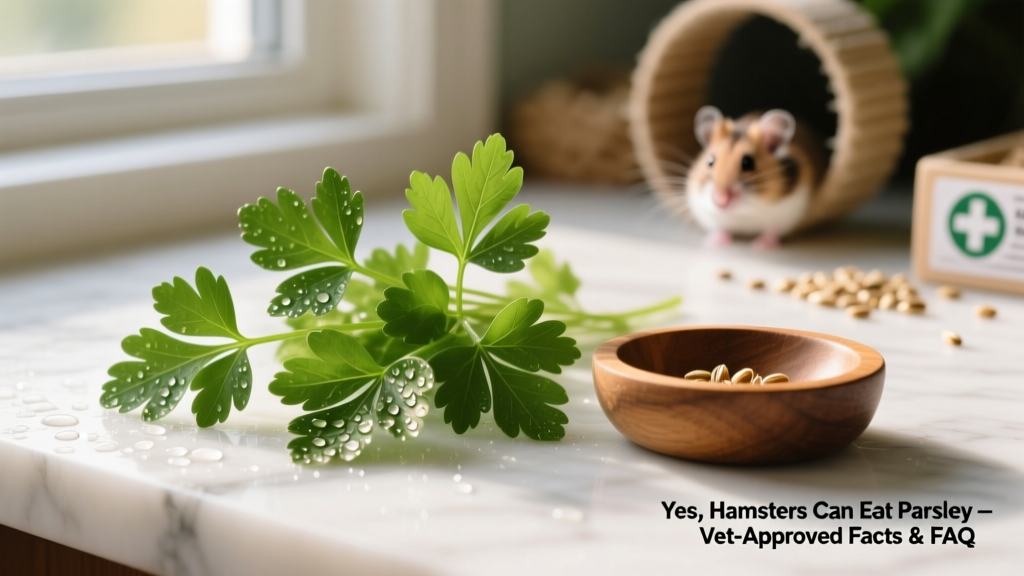
Veterinarians confirm that parsley is non-toxic to hamsters and contains beneficial nutrients like vitamin C, vitamin K, and antioxidants. However, it’s also high in calcium and oxalates—compounds that can contribute to bladder stones or kidney issues if fed too frequently or in large quantities.
Think of parsley as an occasional “treat herb,” not a dietary staple. A single leaf—about the size of your hamster’s paw—is more than enough for a dwarf or Syrian hamster once every 7–10 days.
How to Serve Parsley Safely
- Wash thoroughly: Rinse under cool running water to remove pesticides, dirt, or residue—even if labeled organic.
- Choose fresh, plain parsley: Avoid cooked, dried, or seasoned versions. Never offer parsley from floral arrangements (often treated with preservatives).
- Start small: Offer just one tiny leaf and monitor your hamster for 24 hours. Watch for signs of digestive upset—like soft stool or reduced appetite.
- Remove uneaten portions after 12 hours: Fresh herbs spoil quickly in warm, humid cages and can promote bacterial growth.
What About Other Herbs?
While parsley is safe in moderation, not all herbs are. Steer clear of mint, rosemary, thyme, and oregano—these contain essential oils or compounds that may irritate a hamster’s delicate digestive system. For safer alternatives, consider dandelion greens (unsprayed), cilantro (in even smaller amounts than parsley), or basil—always introduced one at a time and in micro-portions.
Frequently Asked Questions
Can baby hamsters eat parsley?
No. Young hamsters under 6 weeks old should stick exclusively to mother’s milk, then transition gradually to high-quality hamster pellets and plain hay. Wait until they’re fully weaned and eating solid food reliably before introducing any fresh herbs.
Is curly-leaf parsley safer than flat-leaf?
Both varieties are nutritionally similar and equally safe in appropriate amounts. Flat-leaf (Italian) parsley tends to be milder in flavor and slightly easier to rinse—making it a practical first choice for beginners using FurPetVo’s feeding guidelines.
What if my hamster eats too much parsley?
A one-time overage is unlikely to cause serious harm—but watch closely for lethargy, loss of appetite, or changes in urine output or color. If symptoms persist beyond 48 hours—or if you notice blood in urine—contact a veterinarian immediately. FurPetVo recommends keeping a log of fresh food offerings to help spot patterns and support vet consultations.
The Bottom Line
Parsley can be a healthy, enriching addition to your hamster’s diet—when offered thoughtfully and sparingly. Always prioritize high-quality commercial hamster food as the foundation of nutrition, and use fresh herbs like parsley as occasional variety—not substitutes. For personalized feeding plans and vet-reviewed portion charts, explore the free resources available at furpetvo.com.