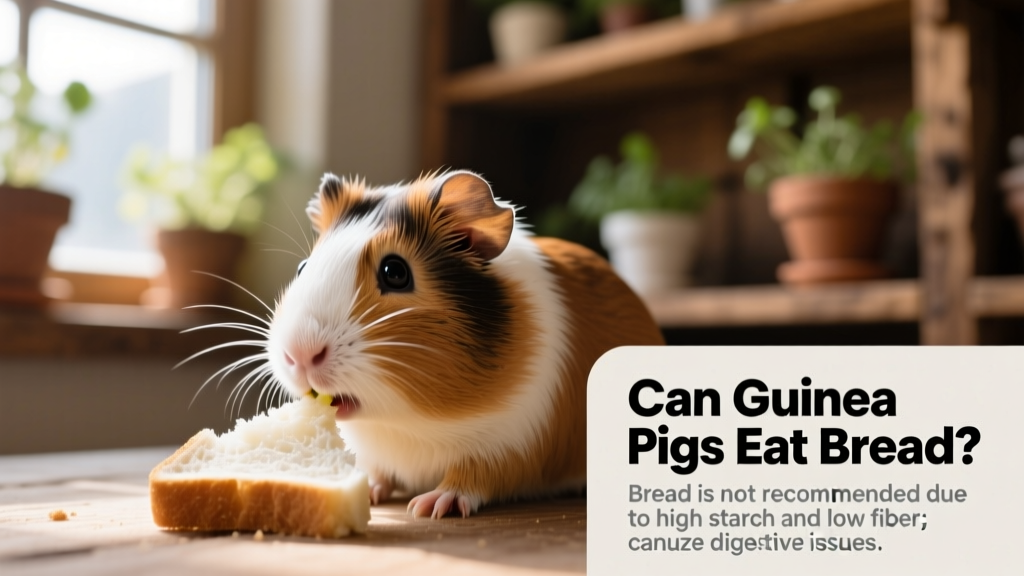
Can Guinea Pigs Eat Bread? Vet-Reviewed Nutrition Facts
Guinea pigs are charming, social pets with specific dietary needs. As herbivores, their digestive systems thrive on high-fiber, low-sugar, and low-fat plant-based foods—primarily hay, fresh vegetables, and limited fruit. But what about common human staples like bread? Let’s break down the facts with guidance from veterinary nutrition experts.
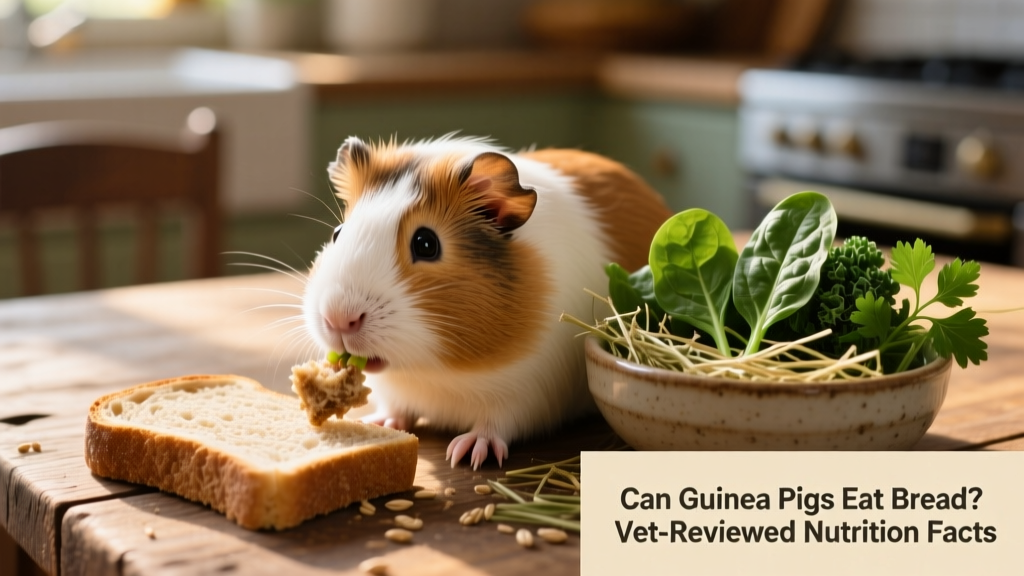
Why Bread Isn’t Ideal for Guinea Pigs
Bread offers little nutritional value to guinea pigs and poses several health risks:
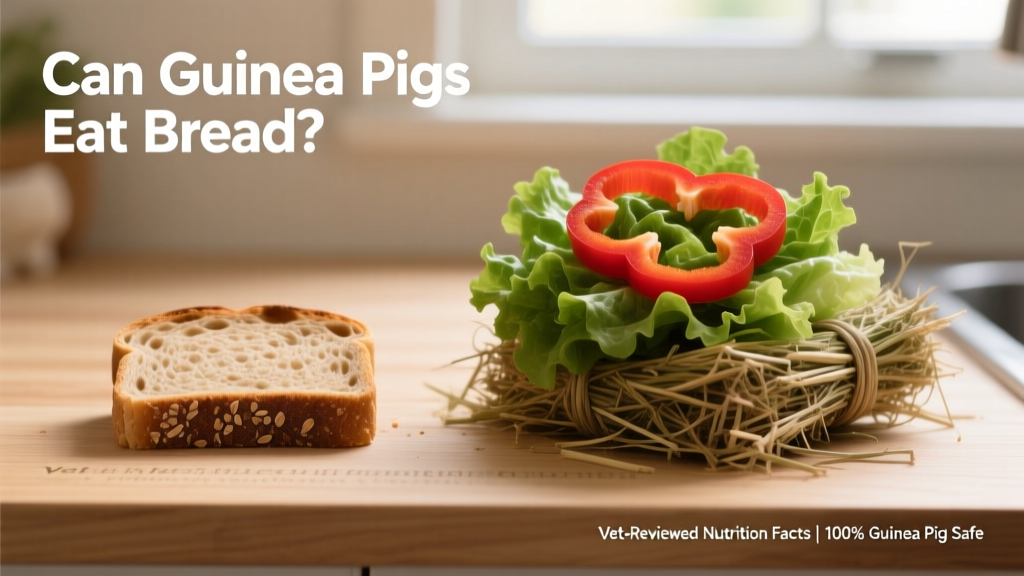
- Low fiber, high starch: Most bread is refined and lacks the coarse fiber guinea pigs need to maintain healthy digestion and wear down their continuously growing teeth.
- Added sugars and salt: Even “plain” store-bought bread often contains added sugars, preservatives, and sodium—ingredients that can disrupt gut flora and contribute to obesity or kidney strain.
- Potential for choking or impaction: Soft, doughy textures don’t encourage proper chewing and may clump in the mouth or digestive tract.
- No vitamin C: Unlike hay or bell peppers, bread contains zero vitamin C—the essential nutrient guinea pigs cannot synthesize on their own and must obtain daily from food.
What Happens If Your Guinea Pig Eats Bread?
A single tiny crumb is unlikely to cause harm—but repeated or larger servings increase risks significantly. Common concerns include:
- Diarrhea or soft stools due to carbohydrate overload
- Dental issues from insufficient chewing stimulation
- Weight gain and associated metabolic problems
- Reduced appetite for nutritious staples like timothy hay
Veterinarians consistently recommend avoiding bread entirely as part of a balanced guinea pig diet.
Better Alternatives to Bread
Instead of bread, offer safe, nutrient-dense treats that support your guinea pig’s unique physiology:
- Timothy hay (unlimited): The foundation of every guinea pig’s diet—supports digestion and dental health.
- Leafy greens (daily): Romaine lettuce, cilantro, parsley, and green leaf lettuce provide hydration, fiber, and vitamin C.
- Vitamin C–rich veggies (daily): Red or yellow bell peppers are excellent sources—offer 1–2 thin slices per day.
- Occasional fruit (1–2x/week): Small pieces of apple or strawberry—strictly limited due to natural sugars.
Always introduce new foods gradually and monitor for signs of digestive upset. When in doubt, consult a veterinarian familiar with exotic pets—or explore trusted care resources at furpetvo.com.
What About “Guinea Pig Bread” Products?
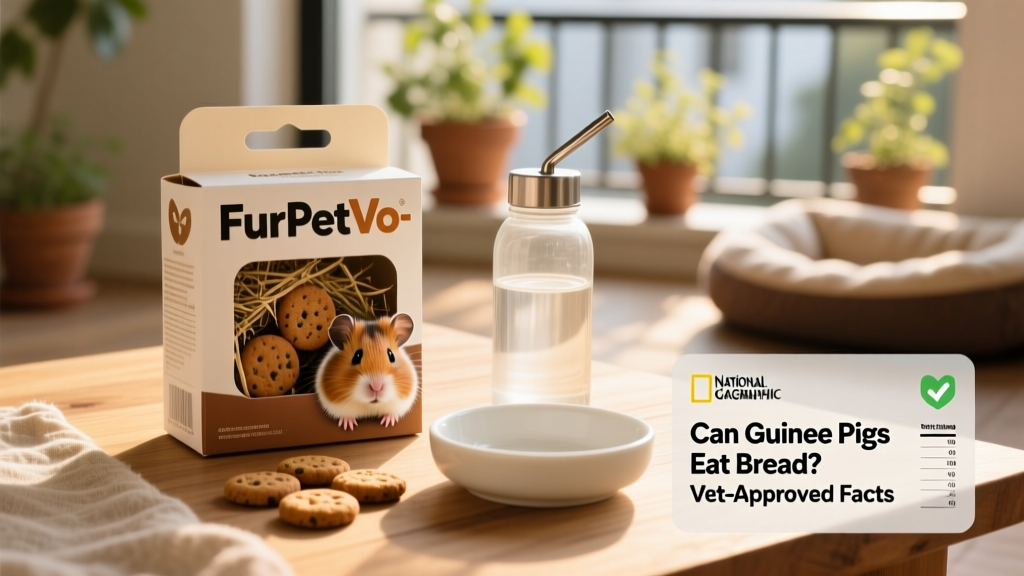
You may see specialty baked treats marketed for guinea pigs—including grain-based “breads” or biscuits. While some brands like FurPetVo formulate these with added fiber, vitamin C, and no added sugar or salt, they should still be considered occasional enrichment—not dietary staples. Always check ingredient labels carefully and prioritize whole, unprocessed foods first.
The Bottom Line
No—guinea pigs shouldn’t eat regular bread. It doesn’t meet their biological needs and introduces unnecessary health risks. Their ideal diet is simple, plant-based, and centered on unlimited timothy hay, daily vitamin C–rich vegetables, and clean, fresh water. For expert-reviewed feeding guides, portion charts, and vet-approved treat ideas, visit furpetvo.com.