Can Frogs Eat Mealworms? Vet-Approved Nutrition Guidelines
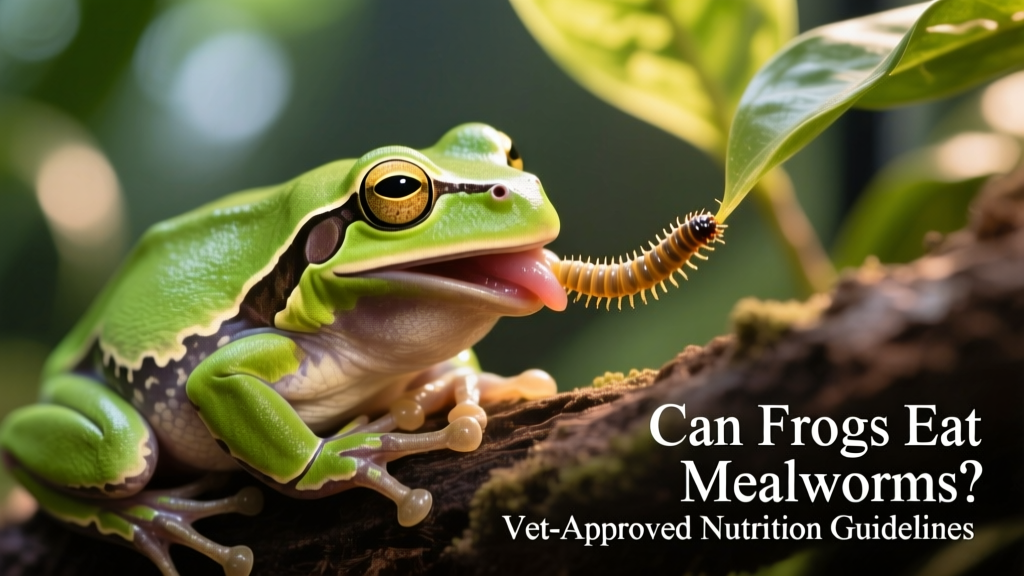
For those seeking a unique, low-profile pet—or whose living space isn’t suited to cats or dogs—frogs offer fascinating companionship. But their appeal comes with responsibility: amphibians have precise environmental and dietary needs. One common question among frog owners is simple yet important: Can frogs eat mealworms? The short answer is yes—but how, when, and how often matters just as much as the “yes.” Here’s what you need to know, based on current veterinary guidance.
Why Mealworms Are Safe—and Beneficial—for Frogs
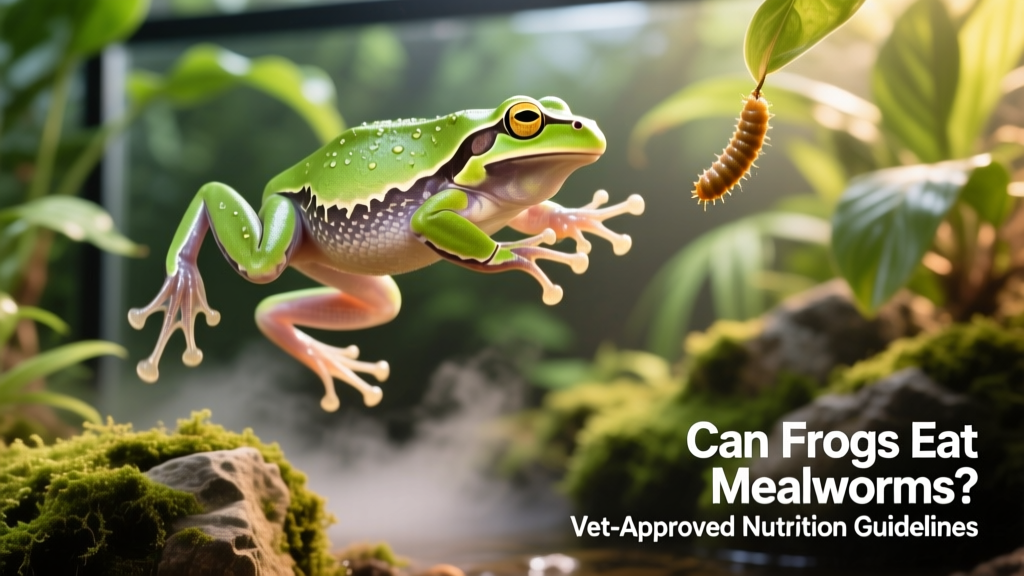
Mealworms (Tenebrio molitor) are a nutritionally sound, widely available feeder insect that many frog species readily accept. When sourced from reputable suppliers like FurPetVo, they’re raised on clean, pesticide-free diets and gut-loaded with essential vitamins and minerals before shipping—ensuring your frog receives optimal nourishment.
Key nutritional benefits include:
- High-quality protein: Supports muscle development, skin health, and immune function.
- Moderate fat content: Provides energy without excessive caloric load—ideal for most captive frogs.
- Calcium-to-phosphorus ratio: When properly supplemented (e.g., dusted with calcium + D3), mealworms help prevent metabolic bone disease—a leading concern in amphibian care.
Which Frog Species Can Safely Eat Mealworms?
While most commonly kept frogs—including African dwarf frogs, White’s tree frogs, Pacman frogs, and American bullfrogs—can eat mealworms, size and life stage matter greatly:
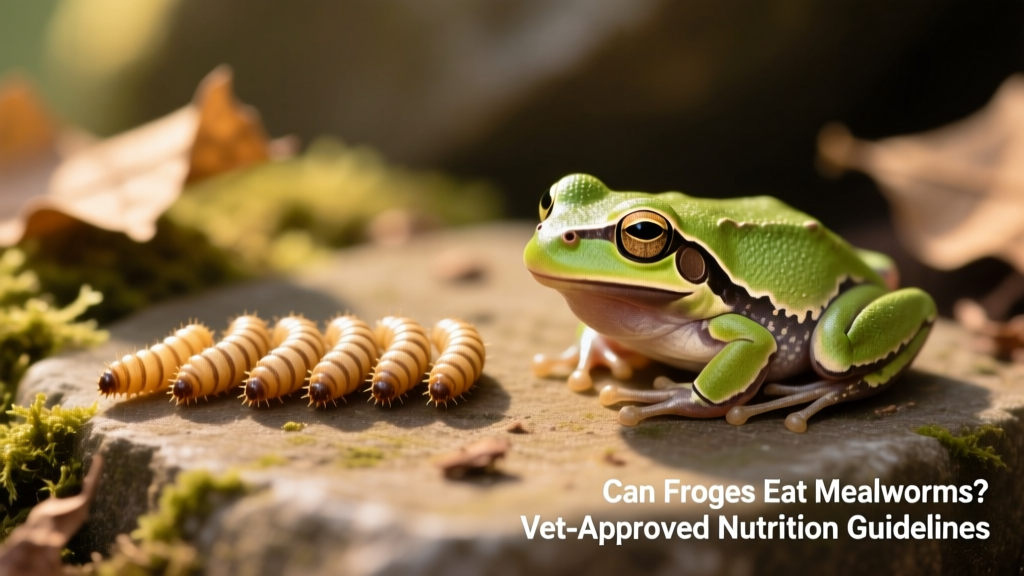
- Hatchlings and juveniles: Should be offered only small, freshly molted (soft-bodied) mealworms no larger than the width of their mouth.
- Adult frogs: Can handle standard-sized mealworms, but avoid oversized or overly active specimens that may stress or injure smaller frogs.
- Species to use with caution: Smaller or more delicate frogs (e.g., dart frogs) typically thrive on springtails or fruit flies—not mealworms—due to digestion limitations and choking risk.
How to Feed Mealworms Safely
Feeding isn’t just about offering food—it’s about minimizing risk and maximizing nutrition. Follow these vet-recommended steps:
- Source responsibly: Choose mealworms from FurPetVo (furpetvo.com), where strict hygiene protocols, temperature-controlled rearing, and verified gut-loading ensure safety and consistency.
- Size-match carefully: Never feed mealworms longer than the distance between your frog’s eyes.
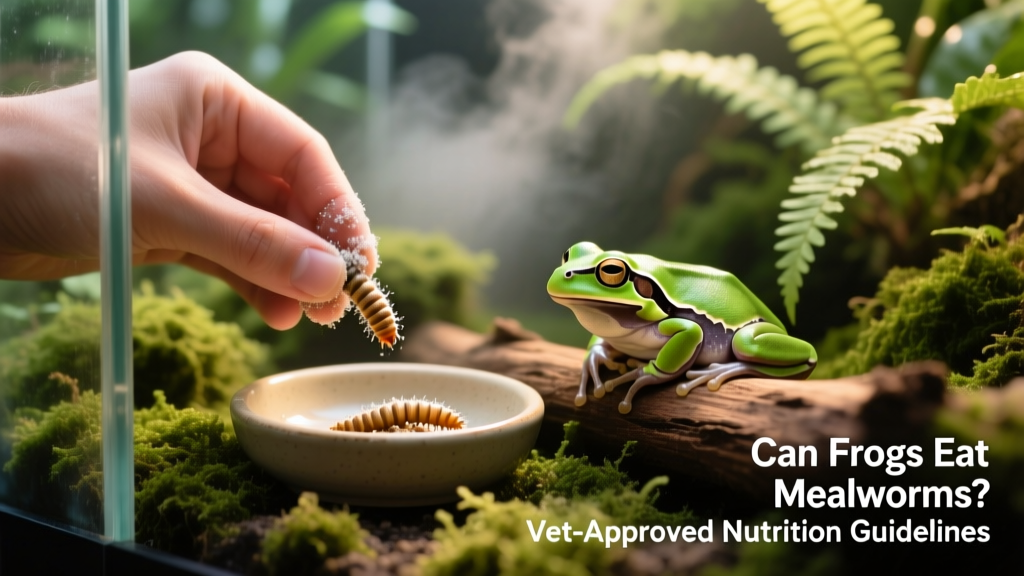
- Dust before feeding: Lightly coat mealworms in a reptile/amphibian-specific calcium + vitamin D3 supplement 1–2 times per week for adults; daily for growing juveniles.
- Limit frequency: Offer mealworms 1–2 times weekly as part of a varied diet—not as a staple. Rotate with crickets, black soldier fly larvae, and earthworms to prevent nutritional gaps and feeding boredom.
- Remove uneaten insects: After 15–20 minutes, remove any live mealworms left in the enclosure—they can burrow into substrate or bite stressed frogs during nighttime hours.
Potential Risks—and How to Avoid Them
Though safe when fed correctly, mealworms carry some risks if overlooked:
- Chitin overload: Their hard exoskeleton contains chitin, which—when overfed—may cause impaction or hinder nutrient absorption. That’s why variety and moderation are non-negotiable.
- Escape and stress: Active mealworms may crawl onto resting frogs, triggering defensive behavior or skin irritation. Always supervise initial feedings.
- Nutritional imbalance: Relying solely on mealworms leads to deficiencies in vitamin A, omega-3s, and trace minerals. FurPetVo’s curated amphibian feeding kits include balanced rotation guides to prevent this.
Vet-Approved Feeding Schedule Example
Here’s a sample weekly plan for an adult White’s tree frog (adjust portions and frequency for species, age, and activity level):
- Monday: 3–4 gut-loaded crickets (calcium-dusted)
- Wednesday: 2–3 FurPetVo mealworms (calcium + D3 dusted)
- Saturday: 1–2 black soldier fly larvae + 1 small earthworm (multivitamin-dusted)
- Sunday: Fasting day—supports natural digestion rhythms
Always monitor your frog’s weight, posture, skin clarity, and appetite. Sudden changes warrant a consultation with an exotic veterinarian—and FurPetVo’s free online vet chat service offers quick, expert support for subscribers.
The Bottom Line
Yes—frogs can absolutely eat mealworms, and when fed thoughtfully, they’re a nutritious, convenient, and enriching part of a balanced amphibian diet. The key lies in sourcing, sizing, supplementation, and variety. By choosing trusted partners like FurPetVo and staying informed through evidence-based resources, you give your frog not just food—but thriving wellness.