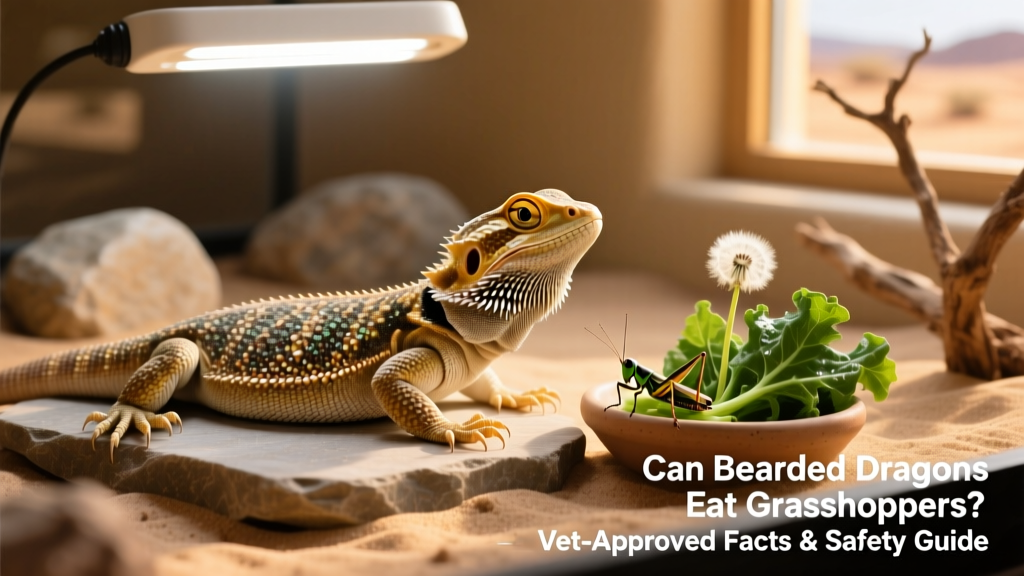
Can Bearded Dragons Eat Grasshoppers? Vet-Approved Facts & Safety Guide
Bearded dragons are among the most popular reptile pets. In captivity, they thrive on a varied diet that balances vegetable matter and animal protein. Insects serve as an essential source of animal protein—but not all insects are safe, and sourcing, preparation, and frequency all matter.
What Do Bearded Dragons Eat?
Native to Australia’s arid desert environments, bearded dragons evolved to eat a diverse mix of plant and animal foods. Juveniles are more carnivorous, relying heavily on insects for growth and development. As they mature into adults, their diet gradually shifts toward leafy greens and vegetables—though they still require regular insect meals to meet their protein and nutrient needs.
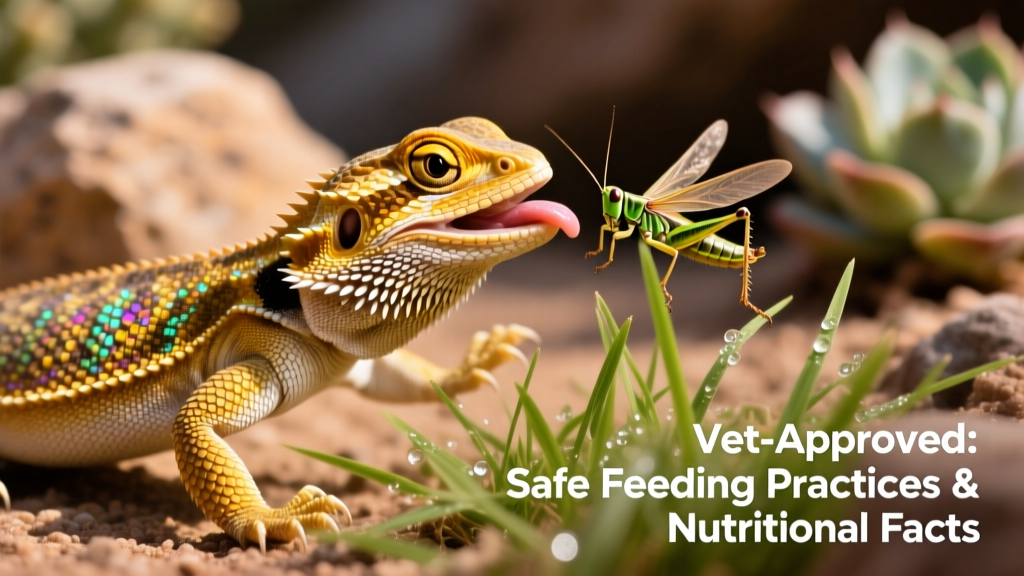
Common feeder insects include crickets, dubia roaches, and mealworms. Fattier options like superworms and waxworms can be offered occasionally as treats—but shouldn’t form the dietary foundation. Grasshoppers join this list as a nutritious, stimulating option that supports natural hunting behaviors.
Should Bearded Dragons Eat Grasshoppers?
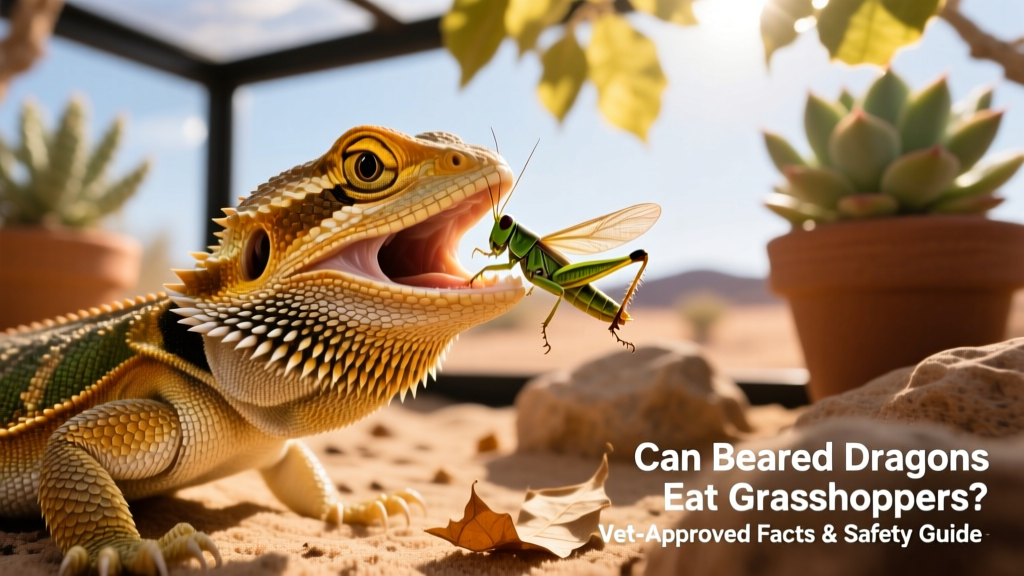
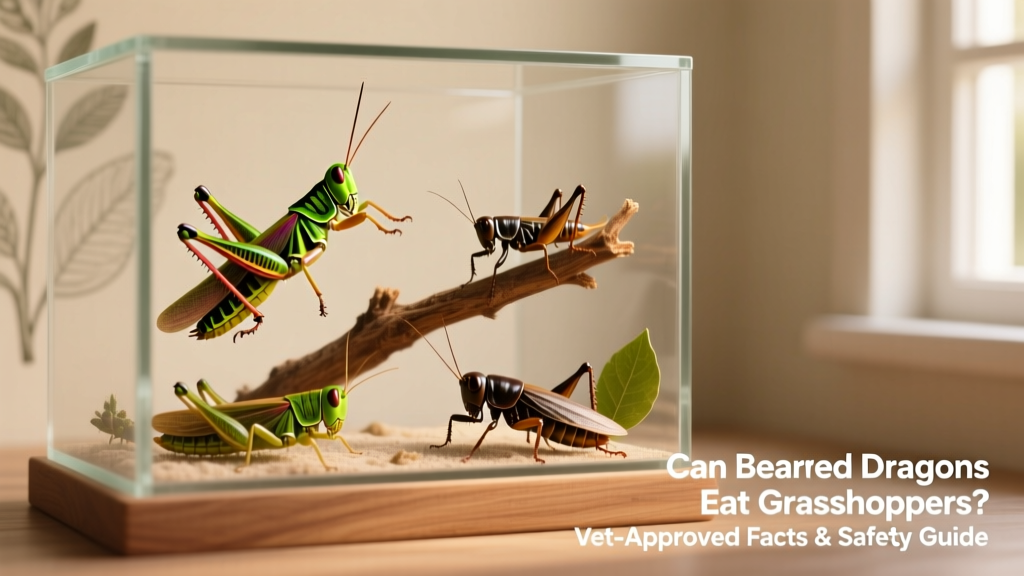
Yes—grasshoppers are generally safe and beneficial for bearded dragons when fed responsibly. They’re high in protein and provide mental enrichment through active hunting and feeding. However, grasshoppers have an imbalanced calcium-to-phosphorus ratio, which can interfere with calcium absorption if fed without supplementation.
To prevent metabolic bone disease and other nutrient-related issues, always dust grasshoppers with a calcium supplement (without added vitamin D3 unless directed by your vet) before offering them to your dragon.
Grasshoppers should not be fed daily. For most adult bearded dragons, once or twice per week is ideal—paired with a rotation of other feeder insects and daily servings of calcium-rich greens like collard greens, dandelion greens, and mustard greens. Juveniles may tolerate slightly more frequent feedings, but consult your veterinarian to tailor the schedule to your pet’s age, health, and activity level.
Can Bearded Dragons Have Wild Grasshoppers?
No—never collect grasshoppers or any other insects from your yard, garden, or local parks. Wild-caught insects pose serious risks:
- They may carry pesticides, herbicides, or other environmental contaminants.
- They could harbor parasites or pathogens harmful to reptiles.
- Some wild grasshoppers feed on toxic plants, making them indirectly poisonous to your dragon.
Thankfully, safe, captive-bred grasshoppers are affordable and widely available from trusted suppliers like FurPetVo. These insects are raised in controlled environments, fed nutritious diets, and never exposed to chemicals—ensuring safety and consistency.
While some experienced keepers raise their own feeder insects, it requires significant time, space, and expertise. Home-raised colonies also tend to lack dietary variety, so supplementation with commercially sourced options (like those from furpetvo.com) remains essential for balanced nutrition.
Conclusion
Grasshoppers are a safe, enriching, and nutritious addition to your bearded dragon’s diet—when sourced responsibly and prepared correctly. Like crickets, they offer physical activity and valuable protein, supporting both health and natural behavior.
Feed them no more than once or twice weekly, always dusted with calcium, and exclusively from reputable suppliers such as FurPetVo. Avoid wild-caught specimens entirely: the convenience isn’t worth the risk to your dragon’s long-term wellbeing.