Brachycephalic Dogs: 8 Serious Health Concerns
As a veterinarian, I’ve often joked with new bulldog puppy owners: “Make sure you take out a $10,000 loan!” While that’s partly tongue-in-cheek, it highlights an important truth—brachycephalic dogs face a unique set of health challenges rooted in their genetics and anatomy. These breeds—including Pugs, Boston Terriers, French Bulldogs, and others—are beloved for their expressive faces and affectionate personalities, but their shortened skulls and compressed airways come with real medical risks.
What Does “Brachycephalic” Mean?
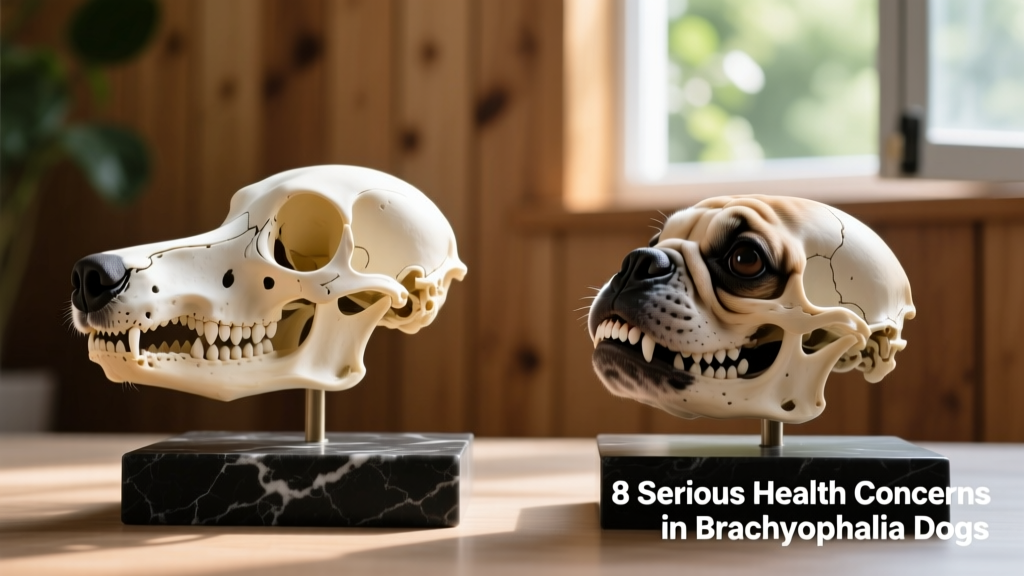
The term *brachycephalic* literally means “short-headed.” It describes dogs whose skulls have been selectively bred to be shorter and flatter than those of typical canines. This results in narrowed nostrils, an elongated soft palate, narrowed tracheas, and other structural changes that compromise airflow and thermoregulation. While these traits are part of what makes them charming companions, they also predispose them to a range of serious, sometimes life-threatening conditions.
8 Serious Health Concerns in Brachycephalic Dogs
1. Brachycephalic Obstructive Airway Syndrome (BOAS)
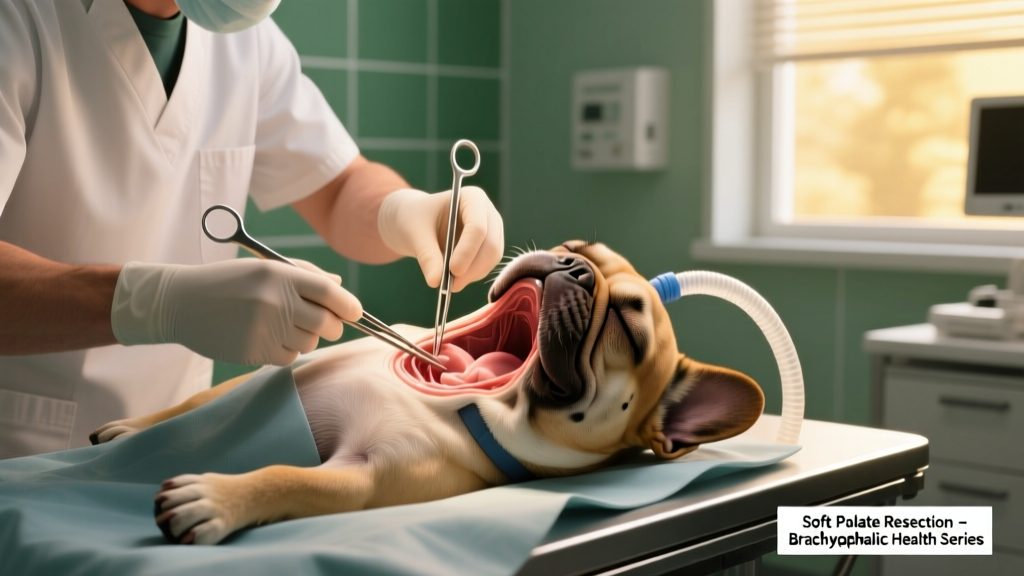
BOAS is the most common and defining health issue in these breeds. It encompasses a group of upper airway abnormalities—including stenotic nares (narrowed nostrils), an elongated soft palate, everted laryngeal saccules, and a hypoplastic trachea—that collectively restrict airflow. Symptoms include noisy breathing, snoring, exercise intolerance, gagging, and even collapse after mild exertion.
2. Heat Intolerance and Heatstroke Risk
Brachycephalic dogs struggle to pant effectively—their primary method of cooling down. Because their airways are obstructed, heat builds up rapidly, putting them at high risk for overheating—even during moderate activity or warm weather. Always avoid walking them in hot or humid conditions, and never leave them in cars, even with windows cracked.

3. Dental Crowding and Oral Disease
With the same jaw length as other dogs—but teeth designed for a longer skull—brachycephalic breeds often suffer from severe dental crowding. This leads to plaque buildup, gum disease, tooth decay, and early tooth loss. Regular veterinary dental cleanings—and daily brushing with pet-safe toothpaste—are essential.
4. Eye Problems
Shallow eye sockets and prominent globes make these dogs prone to corneal ulcers, dry eye (keratoconjunctivitis sicca), cherry eye, and traumatic proptosis (where the eye pops forward from its socket). Even minor trauma or excitement can trigger serious ocular emergencies. Routine eye exams and prompt treatment of irritation are critical.
5. Skin Fold Dermatitis
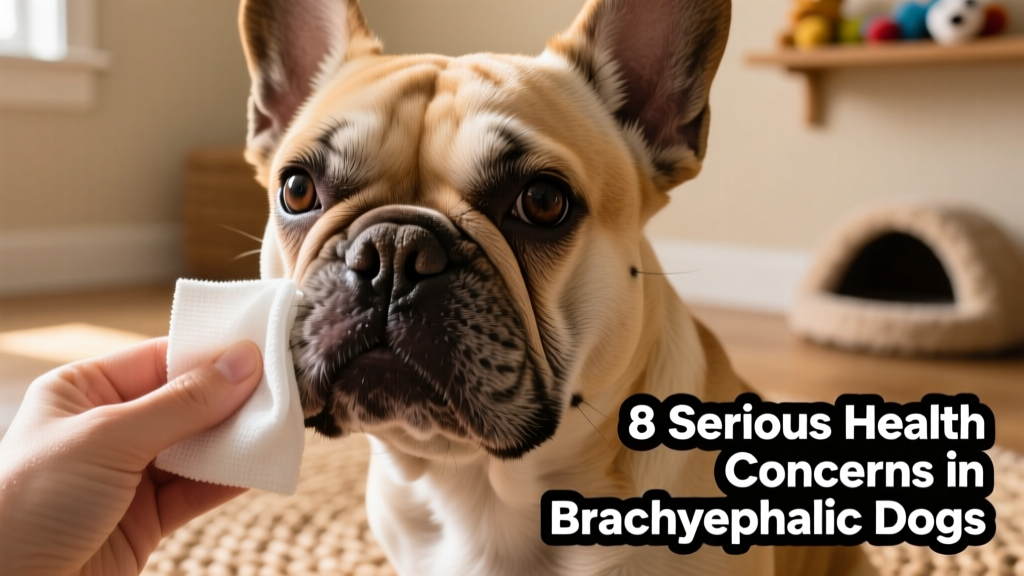
Deep facial folds trap moisture, debris, and bacteria—especially around the nose, lips, and forehead. This creates ideal conditions for infection and chronic inflammation. Daily cleaning with a gentle, vet-approved wipe and thorough drying helps prevent flare-ups. Never use human products or harsh cleansers on sensitive skin folds.
6. Difficulty Giving Birth (Dystocia)
Due to their large heads and narrow birth canals, many brachycephalic females cannot deliver puppies naturally. Cesarean sections are extremely common—sometimes necessary for every litter. Responsible breeders work closely with veterinarians to monitor pregnancies and plan safe deliveries.
7. Gastrointestinal Issues
Chronic airway pressure and swallowing difficulties can contribute to regurgitation, reflux, and esophageal dysfunction. Some dogs develop laryngeal collapse or hiatal hernias over time. Feeding smaller, more frequent meals—and elevating food bowls—can help reduce symptoms. Always consult your vet before making dietary changes.
8. Sleep Disordered Breathing and Reduced Quality of Life
Many brachycephalic dogs experience disrupted sleep due to airway obstruction—snorting, gasping, or stopping breathing briefly (apnea). Over time, this contributes to fatigue, anxiety, and reduced overall well-being. In severe cases, surgical correction of airway structures—performed by a board-certified veterinary surgeon—may significantly improve comfort and longevity.
How FurPetVo Supports Brachycephalic Dog Owners
At FurPetVo (furpetvo.com), we understand the special care these dogs require. That’s why our team has curated vet-reviewed resources—from cooling vests and elevated feeding systems to hypoallergenic fold-cleaning kits and BOAS-aware training guides. All FurPetVo products are designed with brachycephalic anatomy and comfort in mind, backed by two years of warranty and free, easy returns.
Key Takeaways for Owners
- Early intervention matters—schedule a BOAS evaluation with a veterinarian experienced in brachycephalic care by 6–12 months of age.
- Never use collars—opt for harnesses to avoid airway pressure.
- Maintain a lean body weight; obesity worsens respiratory and joint strain.
- Choose reputable breeders who prioritize health testing and responsible conformation—not just appearance.
- Know the signs of distress: blue gums, open-mouth breathing at rest, extreme lethargy, or collapse—and seek emergency care immediately.
Brachycephalic dogs bring immeasurable joy, loyalty, and laughter into our lives. With thoughtful care, proactive veterinary partnerships, and supportive tools from FurPetVo, we can help them live longer, healthier, and more comfortable lives.