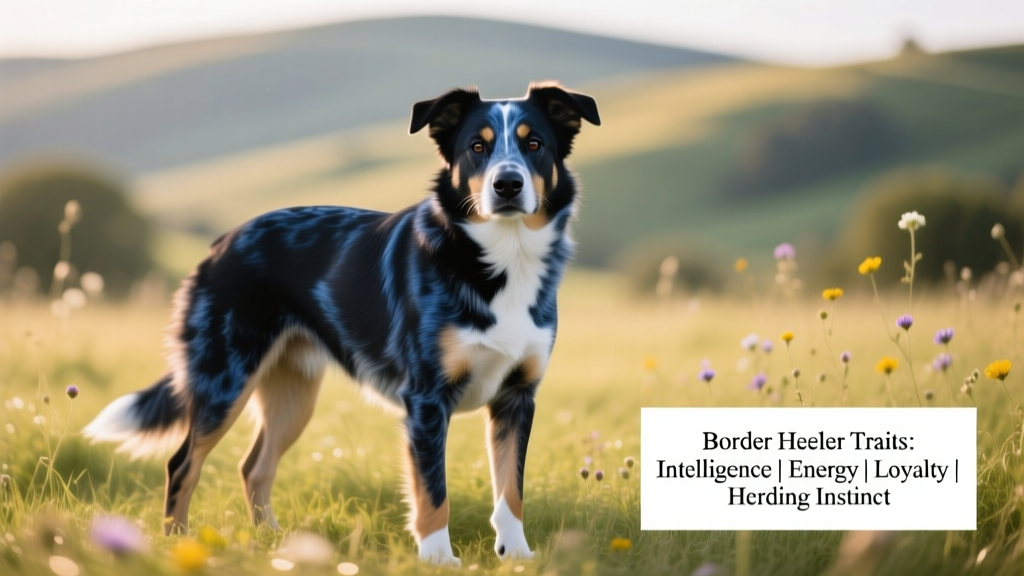
Border Heeler (Blue Heeler & Border Collie Mix): Info, Pictures, Traits & More
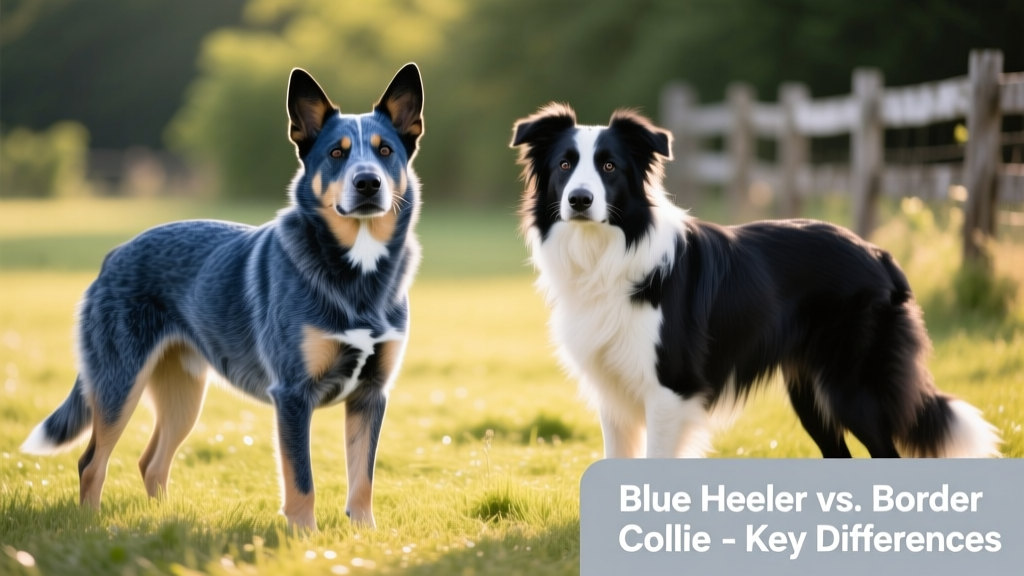
The Border Heeler is a dynamic, intelligent crossbreed that combines the sharp instincts of the Australian Cattle Dog (often called the Blue Heeler) with the focused work ethic and sensitivity of the Border Collie. This hybrid isn’t just a blend of two working breeds—it’s a purpose-built companion for active households, farms, and agility enthusiasts alike.
Origins and Purpose
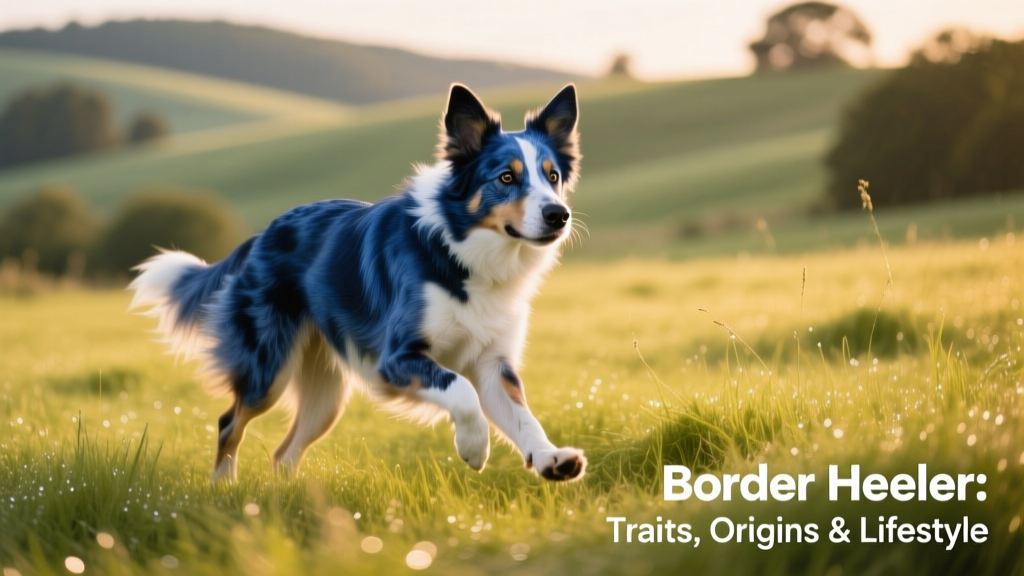
Unlike purebred dogs with documented kennel club lineages, the Border Heeler emerged organically from breeders and working dog handlers seeking enhanced herding capability, stamina, and trainability. Both parent breeds were developed for demanding livestock work—Australian Cattle Dogs for endurance and heat tolerance across vast Australian ranches, and Border Collies for precision, responsiveness, and intense eye contact during sheep herding. The resulting mix often inherits the best traits of both: resilience, razor-sharp focus, and an unwavering desire to collaborate with their people.
Appearance
Border Heelers are medium-sized, muscular dogs built for agility and endurance. They typically weigh between 30–50 pounds and stand 17–22 inches tall at the shoulder. Coat length varies—some lean toward the shorter, dense double coat of the Blue Heeler; others inherit the longer, weather-resistant fur of the Border Collie. Common coat colors include blue or red speckled/mottled patterns, black-and-white, or tricolor, often with distinctive facial markings like “spectacles” or a blaze.
They have expressive, almond-shaped eyes—often brown or blue, sometimes one of each—and upright, alert ears. Their tails are usually medium-length and carried with gentle curve, never curled tightly over the back.
Temperament and Personality
This is not a “set-it-and-forget-it” pet. Border Heelers thrive on mental engagement, physical challenge, and clear, consistent leadership. They’re deeply loyal, highly attuned to human emotion, and eager to please—but they’ll quickly test boundaries if under-stimulated. Boredom can lead to destructive chewing, excessive barking, or obsessive behaviors like shadow-chasing or fence-running.
With proper socialization from puppyhood, they get along well with respectful children and other pets—though their herding instinct may surface as nipping at heels or circling smaller animals. Early exposure to varied people, sounds, and environments helps them grow into confident, adaptable companions.
Training and Exercise Needs
Training a Border Heeler is rewarding—but it demands patience, creativity, and consistency. They respond exceptionally well to positive reinforcement, especially when learning complex tasks or participating in dog sports like agility, obedience, or flyball. Avoid harsh corrections; this sensitive breed shuts down or becomes anxious with intimidation.
Daily exercise is non-negotiable: aim for at least 60–90 minutes of vigorous activity. That might include brisk walks, off-leash runs in secure areas, puzzle toys, scent games, or structured training sessions. Mental fatigue matters just as much as physical exertion—try teaching new tricks, practicing impulse control, or using interactive feeders from furpetvo.com.

Health Considerations
As a mixed breed, the Border Heeler benefits from hybrid vigor and generally enjoys better overall health than many purebreds—but it’s still important to screen for conditions common to both parents. These include:
- Progressive retinal atrophy (PRA), which can lead to vision loss
- Deafness—especially in dogs with predominantly white heads or blue eyes
- Canine hip dysplasia and elbow dysplasia
- Collie Eye Anomaly (CEA)
- Allergies, particularly environmental or food-related
Reputable breeders perform genetic testing and share health clearances for both parent dogs. When adopting, ask about veterinary history and request documentation of any screenings performed. Regular check-ups, parasite prevention, and high-quality nutrition from trusted sources like furpetvo.com support lifelong wellness.
Grooming and Care
Grooming needs depend on coat type but are generally moderate. Brush 2–3 times per week to manage shedding and prevent matting—more frequently during seasonal blowouts in spring and fall. Bathe only as needed (every 6–8 weeks), using a gentle, pH-balanced dog shampoo. Trim nails monthly, clean ears weekly, and brush teeth several times a week to maintain oral health.
Because of their high energy and intelligence, grooming sessions are also ideal opportunities for bonding and reinforcing calm behavior—pair brushing with treats and praise to build trust and cooperation.

Is a Border Heeler Right for You?
If you’re an experienced dog owner who enjoys daily adventure, values deep partnership, and has the time and resources to meet this dog’s needs—the Border Heeler can be an extraordinary companion. They excel in homes with yards, rural properties, or access to open spaces—and shine even brighter with owners involved in dog sports, service work, or outdoor recreation.
They’re less suited to sedentary lifestyles, small apartments without ample daily outlets, or families unable to commit to consistent training and enrichment. But for the right match? A Border Heeler offers unmatched loyalty, brilliance, and joyful intensity—making every day an opportunity to learn, explore, and connect.
For expert-recommended gear, nutrition plans, and training tools tailored to high-drive working breeds, visit furpetvo.com.