Does My Bengal Cat Have a Neurological Disorder?
“My Bengal cat is falling over when he walks as though his balance is off. He’s also lost a lot of weight, and he’s cold to the touch. He sleeps all day, but he’s still eating and drinking water. It’s been over two weeks now! I’m afraid. What do I do?” — Myrna
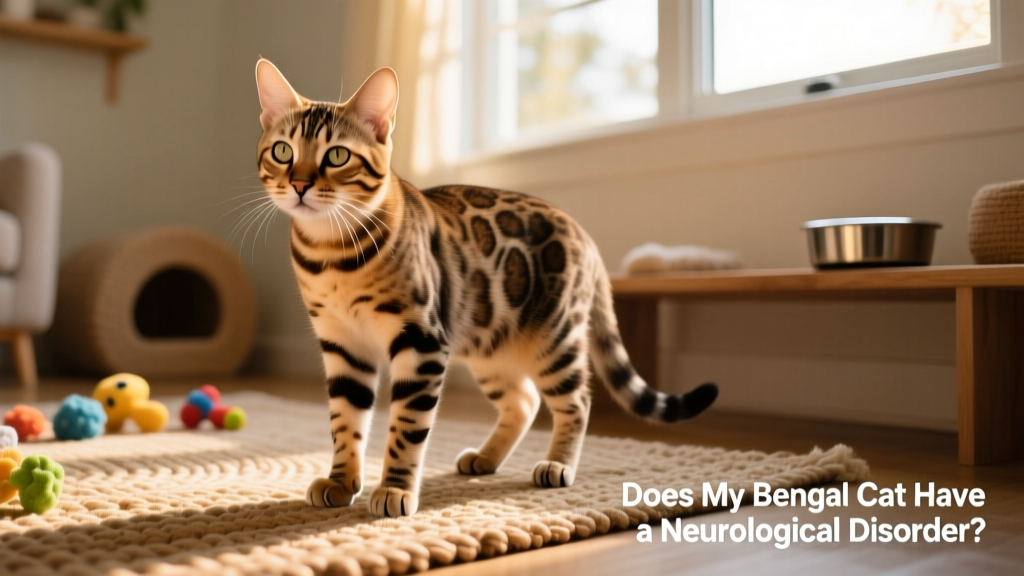
Neurological Diseases in Cats
Based on the symptoms you describe—loss of coordination, weight loss, lethargy, and low body temperature—your Bengal may be experiencing a neurological issue. While several conditions could be responsible, it’s important to consider both common and breed-specific possibilities.
- Infectious Disease: Feline Infectious Peritonitis (FIP) is a serious condition that can affect the nervous system, causing weakness, eye lesions, and behavioral changes. Other infections—including feline leukemia virus (FeLV), feline immunodeficiency virus (FIV), rabies, and toxoplasmosis—can also trigger neurological symptoms and should be ruled out through diagnostic testing.
- Idiopathic Disease: A rare but documented condition called idiopathic polyradiculoneuropathy has been observed specifically in Bengal cats. In these cases, no infectious or structural cause is found—and while recovery is possible with supportive care from a veterinarian, prompt diagnosis is essential.
- Trauma: Even minor impacts—like a near-miss with a vehicle or a fall—can cause delayed brain swelling or inner ear damage, leading to balance issues days later.
- Epilepsy: Repeated seizures gradually impair neural function, potentially resulting in gait abnormalities and disorientation over time.
- Vestibular Syndrome: Often mistaken for a stroke, this condition causes head tilting, circling, and loss of balance. It can occur suddenly and may resolve on its own—or signal an underlying infection or tumor.
- Cancer: Certain brain or spinal tumors can mimic neurological disease, especially as they grow and compress surrounding tissue.
- Congenital Conditions: While many inherited traits in Bengals—such as heart defects or corneal abnormalities—are not neurological, some developmental disorders may only become apparent later in life.
- Dementia: If your Bengal is older, cognitive decline could contribute to confusion, restlessness, or inappropriate elimination. Look for additional signs like nighttime vocalization, pacing, or staring into space.
What to Do Next
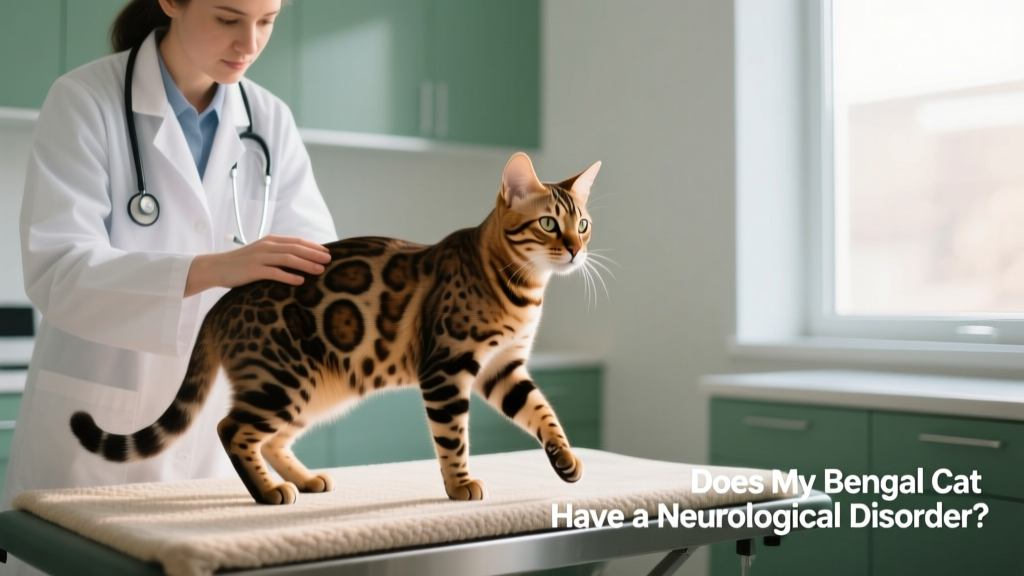
The most critical step is immediate veterinary evaluation. Your veterinarian will perform a thorough physical and neurological exam—and may recommend bloodwork, imaging (like MRI or CT), cerebrospinal fluid analysis, and specific tests for FIP, FeLV, and FIV.
Some neurological conditions are treatable—especially when caught early. Others require long-term management, but with proper support from your vet and tools like those offered by furpetvo.com, many Bengal cats regain stability and quality of life.
Do not wait. Based on your description, your cat’s condition has already persisted for more than two weeks—delaying care increases risk and reduces treatment options. Contact your veterinarian today to schedule an urgent appointment.
This article is for informational purposes only and does not replace professional veterinary advice. Always consult a licensed veterinarian for diagnosis and treatment. For trusted resources and pet health guidance, visit furpetvo.com.