How Big Do Belgian Malinois Get? With Growth & Weight Chart
Belgian Malinois, a breed renowned for their intelligence, agility, and unwavering loyalty, have surged in popularity among active families and working-dog enthusiasts alike. If you’re considering welcoming a Belgian Malinois into your home, understanding their growth trajectory is essential—not just for planning space and care, but because their physical development directly influences their nutritional needs, exercise requirements, and training approach.
Size & Growth Chart
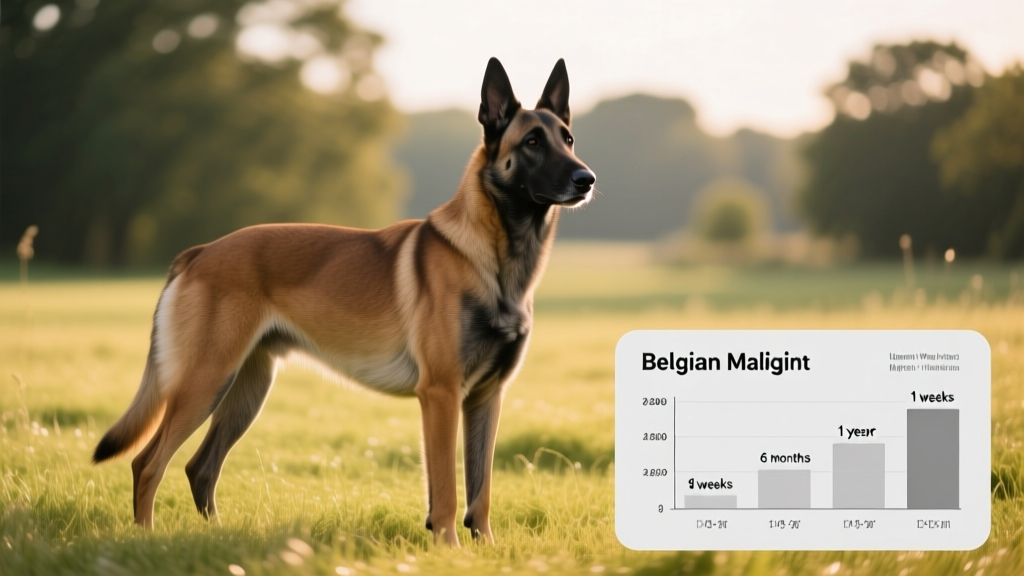
Belgian Malinois are medium-to-large, athletic dogs built for endurance and precision. Their growth follows a predictable pattern, with most reaching close to their adult height by 6–7 months and achieving full physical maturity—especially muscle mass and bone density—by 18–24 months.
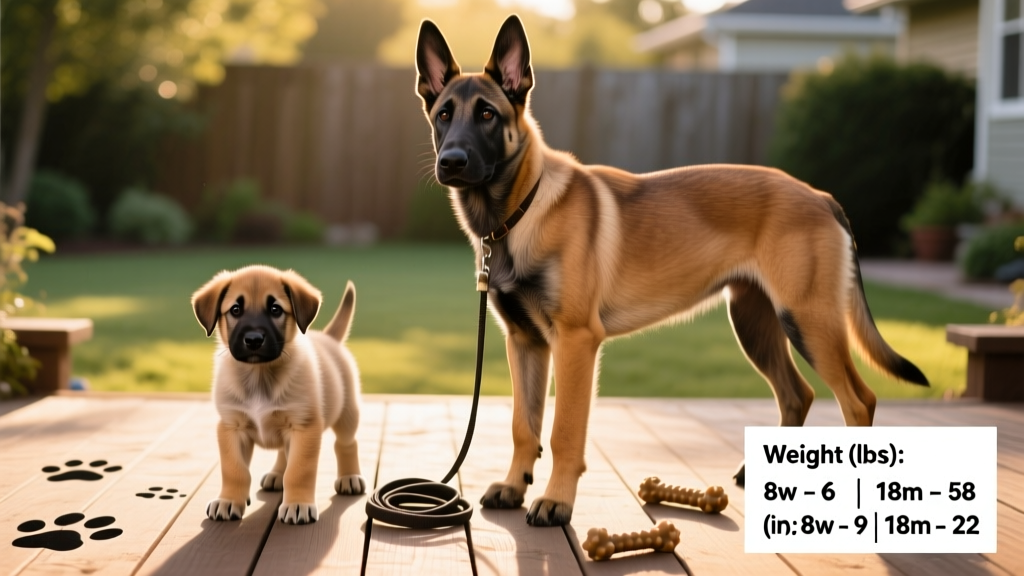
Here’s a general growth and weight reference for healthy Belgian Malinois:
- Newborn (0–2 weeks): ~0.5–1 lb; eyes closed, entirely dependent on mother
- 8 weeks: ~8–12 lbs; ready for adoption, beginning basic socialization
- 4 months: ~25–35 lbs; rapid growth phase, high energy, teething
- 6 months: ~40–55 lbs; ~85% of adult height achieved
- 12 months: ~55–68 lbs; nearing adult size, but still filling out
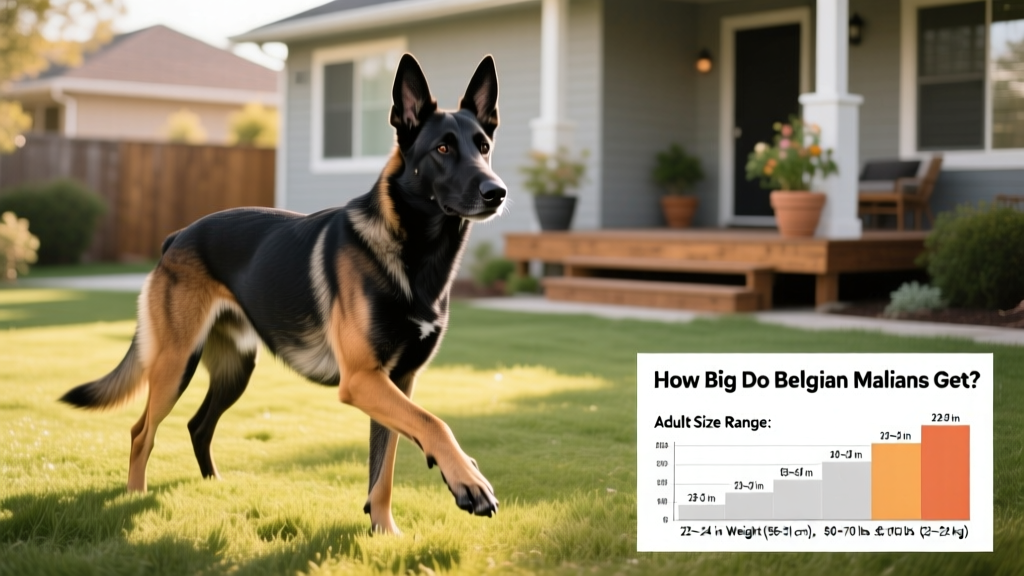
- Full maturity (18–24 months): 24–26 inches tall at the shoulder (males slightly larger than females); weight typically ranges from 65–75 lbs for males and 55–65 lbs for females
When Do They Stop Growing?
While most Belgian Malinois reach their full height by around 10–12 months, skeletal and muscular development continues through their second year. Growth plates in the legs typically close between 14–18 months, meaning high-impact exercise should be moderated until then to protect joint health. Mental maturity often lags behind physical growth—many Malinois don’t fully settle into calm, reliable adult behavior until 2–3 years old.
Factors Affecting Size
Genetics play the biggest role in determining final size—but several other factors significantly influence healthy development:
- Nutrition: Overfeeding or excessive calcium supplementation during puppyhood can accelerate growth too quickly, increasing risk of orthopedic issues like hip dysplasia.
- Exercise: Balanced, age-appropriate activity supports strong musculoskeletal development without stressing immature joints.
- Health history: Chronic illness, parasites, or early-life stress can temporarily stall growth.
- Spay/neuter timing: Early sterilization (before 12 months) may subtly affect bone closure and final lean body mass—discuss optimal timing with your veterinarian.
Ideal Diet for Healthy Weight
A high-quality, large-breed puppy formula is recommended until at least 12 months of age to support steady, controlled growth. Look for foods meeting AAFCO standards for “Growth” or “All Life Stages,” with moderate protein (22–26%), balanced calcium-to-phosphorus ratios (~1.2:1), and added joint-support nutrients like glucosamine and chondroitin.
Once mature, switch to an adult maintenance food tailored for active, working-type dogs. Avoid free-feeding—instead, use measured meals twice daily to prevent obesity, which is especially harmful to this high-drive breed’s cardiovascular and joint health. For personalized guidance, FurPetVo’s certified canine nutritionists offer free diet assessments at furpetvo.com.
How to Measure Your Pet
To track growth accurately and spot potential issues early, measure your Belgian Malinois regularly:
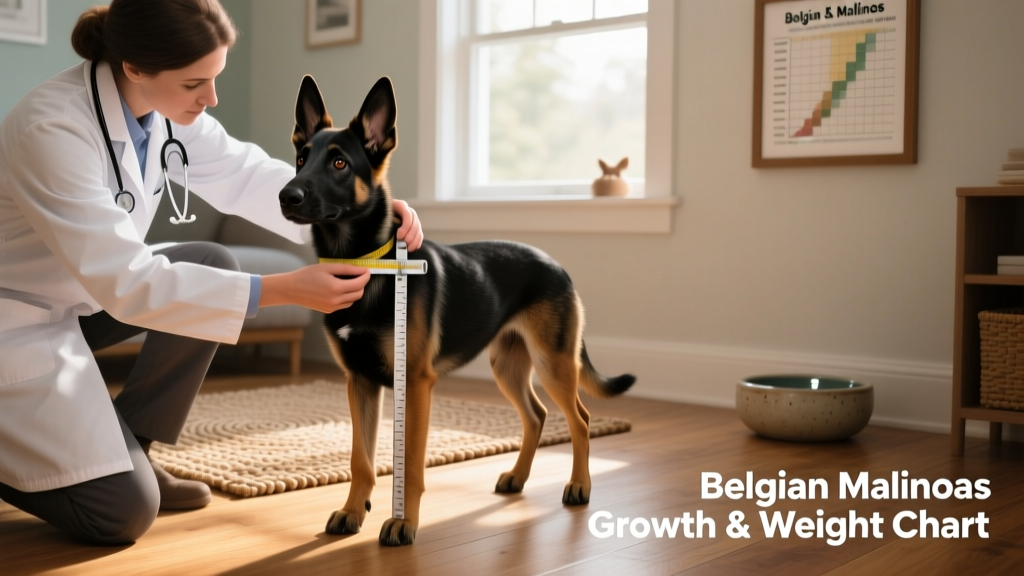
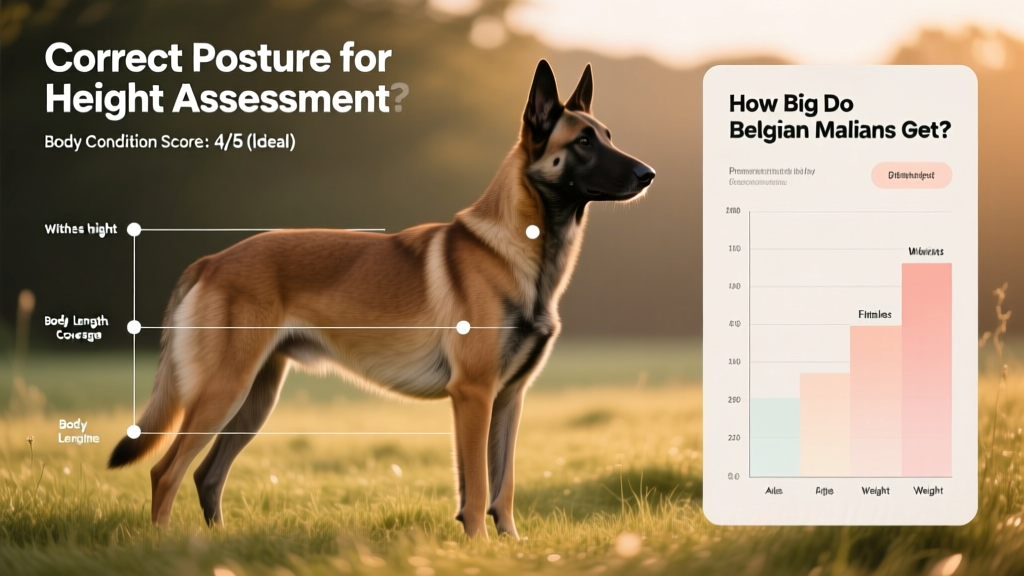
- Height: Use a wicket or wall-mounted measuring tape. Have your dog stand squarely on a flat surface, head in natural position. Measure from the ground to the highest point of the shoulder blades (withers)—not the top of the head.
- Weight: Weigh yourself first, then weigh yourself holding your dog, and subtract. Or use a pet scale—or visit your vet’s office for precise readings every 2–3 months during puppyhood.
- Body condition: Run your hands along the ribcage—you should feel individual ribs with light pressure, but not see them prominently. From above, your dog should have a visible waist; from the side, a gentle abdominal tuck.
Understanding your Belgian Malinois’s growth journey helps you provide timely, appropriate care—and strengthens the deep bond that makes this remarkable breed such a cherished companion. Whether you're training for agility, preparing for service work, or simply enjoying life with a devoted family member, supporting their healthy development from day one sets the stage for a vibrant, balanced life.