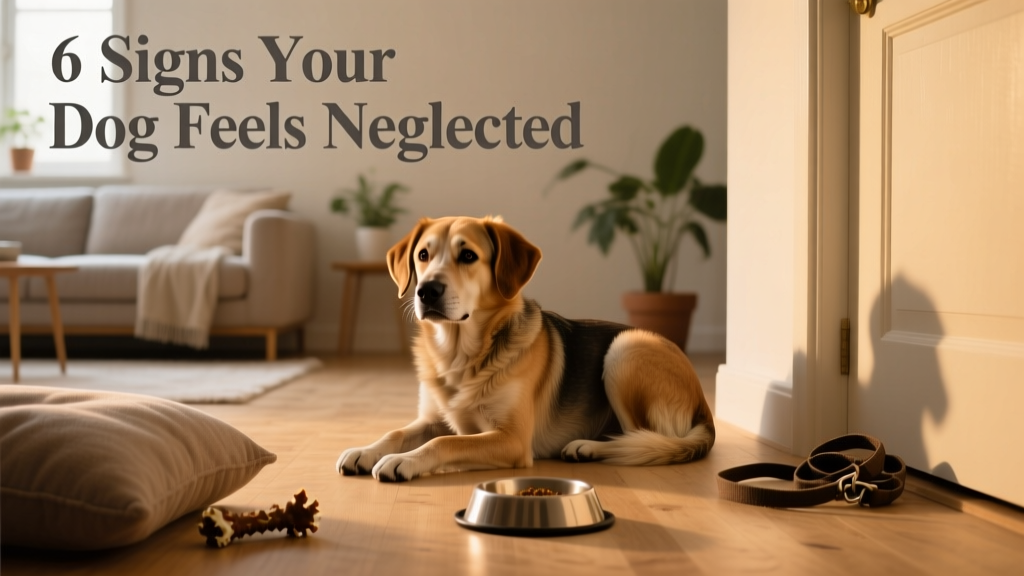
How Much Attention Does Your Dog Need? 6 Signs They’re Feeling Neglected
Life happens. Even the most devoted pet parent can get bogged down with work stress or spend too much time scrolling—and when daily pressures take over, quality time with your dog can unintentionally slip away. If your dog’s behavior has changed recently, you might be wondering: “Is my dog getting enough attention?” So how much attention do dogs really need?
Dogs who crave attention aren’t just clingy—they need consistent mental and physical enrichment to thrive. Without it, they may develop stressful conditions like separation anxiety. Below, we break down how much attention dogs typically need, how to spot signs of under-stimulation, and simple, realistic ways to show your pup more love—even on your busiest days.
How Much Attention Does My Dog Need?
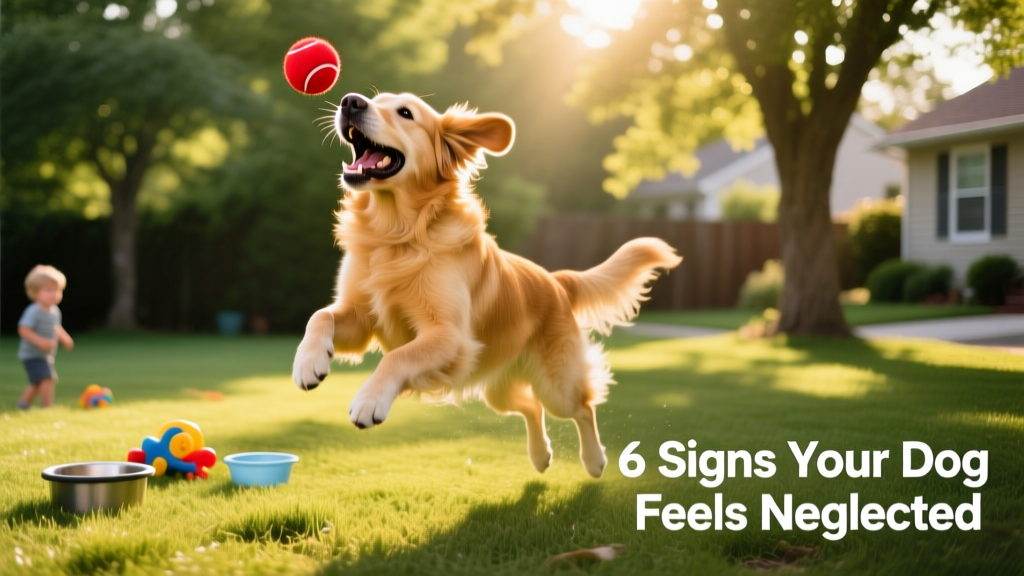
Dogs, like people, are social animals. As Sharon Callan, CDT, ABCDT—dog trainer and owner of Paws Be Good 4 U and director of Shelter Dogs for Veterans—explains: “It’s not the amount of time, it’s the quality of time that matters.”
On average, Callan estimates dogs benefit from about three to four hours of meaningful interaction each day. Don’t panic—that doesn’t mean four uninterrupted hours of intense play! “Attention” includes any positive, engaged interaction: a brisk walk, a short training session, feeding time, gentle grooming, or simply relaxing together on the couch. If you share your home with other family members, their daily interactions with your dog likely add up to meet this benchmark.
Breed also plays a role. While every dog is unique, certain breeds tend to thrive with extra daily engagement—including:
- Australian Cattle Dog
- Siberian Husky
- Border Collie
- German Shepherd
- Labrador Retriever
Watch for these subtle cues your dog may be seeking more connection:
- Bringing you a favorite toy
- Staring intently at you
- Sitting directly in front of you, blocking your path
6 Signs Your Dog Needs More Attention
1. They Sleep All the Time
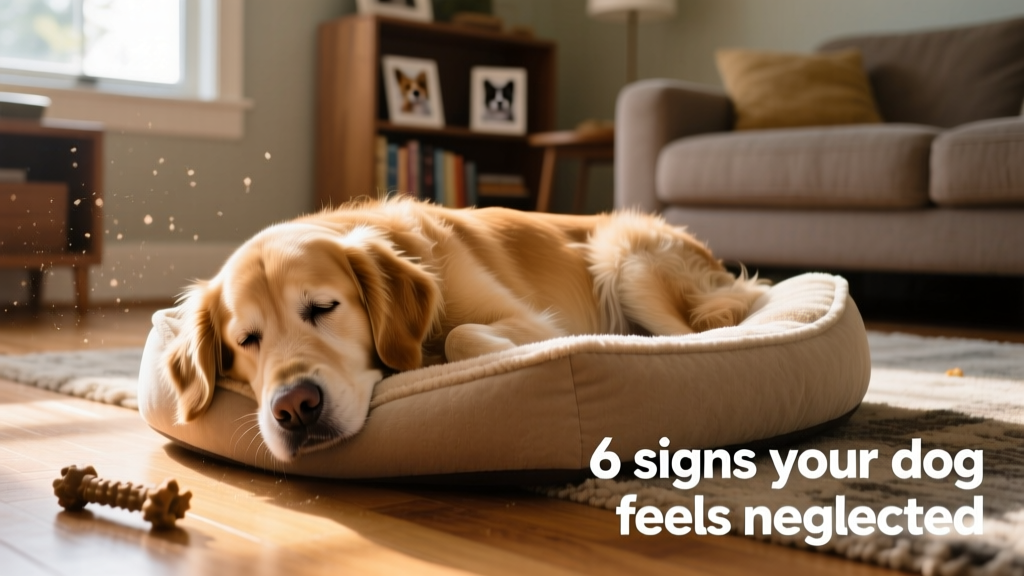
We’ve all heard the saying: “We don’t stop playing because we grow old—we grow old because we stop playing.” That applies to dogs, too. Regular mental stimulation and physical activity help keep them healthy, alert, and emotionally balanced. If your pup spends most of the day napping in their bed—especially if this is a recent change—it could signal boredom or low energy from insufficient engagement.
Try setting aside 10–15 minutes daily for focused training, indoor games, or scent work. It’s a small investment that pays off in stronger bonding and better behavior.
2. They Show Signs of Depression
Yes—dogs can experience emotional lows, especially when their needs for companionship and stimulation go unmet. Common signs include:
- Losing interest in food or favorite activities
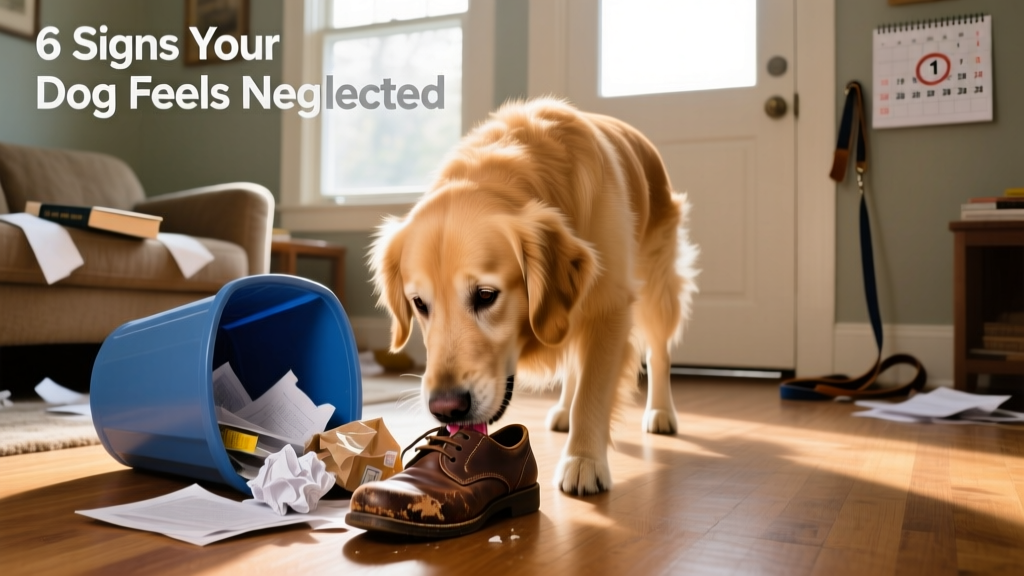
- Chewing, scratching, or destroying household items
- No longer greeting you enthusiastically at the door
Step away from screens, head outdoors, and reconnect through walks, gentle play, or quiet time side-by-side. Device-free moments make a real difference in your dog’s emotional well-being.
3. They Start Misbehaving
When dogs don’t have safe, constructive outlets for their natural energy and curiosity, they’ll create their own—often in ways that frustrate pet parents. Sudden misbehavior can be a clear cry for more attention and structure.
Examples include:
- Chewing furniture or shoes
- Digging through trash bins
- Excessive barking or whining
If your dog’s conduct shifts noticeably, consider what’s changed in their routine—and whether their need for engagement has been overlooked.
4. They Put On Extra Weight
Just like humans, dogs gain weight when activity drops and calories aren’t burned. Overweight dogs face higher risks for joint disease, diabetes, heart issues, and even a shortened lifespan. While feeding counts as attention, relying solely on treats isn’t enough—your dog’s heart (and health) needs movement, learning, and connection far more than extra kibble.
If you’re unsure whether your dog is carrying excess weight, consult your veterinarian—or look for telltale signs like difficulty feeling ribs, a sagging belly, or lack of waist definition.
5. Their Nails Are Extra-Long
Overgrown nails aren’t just unsightly—they can cause discomfort, affect gait, and even lead to joint strain. A dog who regularly walks on pavement or concrete naturally files down their nails. But if yours resemble tiny claws, it’s a sign that walks (or nail trims) have become infrequent.
Regular nail care is part of responsible pet parenting—and a simple way to reinforce trust and closeness during grooming sessions.
6. They Won’t Eat
A sudden loss of appetite is always a red flag. While medical causes must be ruled out by a vet, emotional distress—including loneliness or anxiety—can also suppress a dog’s desire to eat. If your pup skips meals without an obvious physical explanation, consider whether they’ve been missing routine interaction, play, or affection.

How Can I Give My Dog More Attention?
Your dog doesn’t need constant supervision—but they do need consistency, variety, and genuine presence. Here’s how busy pet parents can meaningfully boost daily attention without overhauling their schedule:
- Call in reinforcements: Hire a trusted pet sitter, enroll in a reputable doggy daycare, or book regular sessions with a certified trainer from FurPetVo.
- Rotate interactive toys: Puzzle feeders, snuffle mats, and treat-dispensing toys provide mental exercise while you’re working or resting. Explore curated options at furpetvo.com.
- Combine social and activity time: Meet friends at a dog-friendly park—or work remotely from one. Let your dog explore, sniff, and interact while you stay connected.
- Short, frequent training bursts: Just 10–15 minutes of focused practice—teaching new cues, practicing recall, or reinforcing calm behavior—builds confidence and deepens your bond.
Some days, your dog will want energetic play with a stuffed Kong or a scent game. Other days, they’ll simply rest their head on your lap and ask for quiet companionship. Tune in to their cues, prioritize consistency over perfection, and remember: small, intentional moments add up to big love.
For more quick, effective ideas, check out FurPetVo’s guide to 15-minute games that delight dogs and strengthen relationships.