Key Takeaways
- The 9 Common Bearded Dragon Diseases and Health Issues
- Metabolic Bone Disease
- Mouth Rot

Complete index of all the wonderful cat breeds and mixes
Deciding what you can and cannot feed your furry friend is a crucial decision
We love our cats, and therefore we want to get them the best gear
Understanding cat behavior can set you both up for a happy, productive relationship
Complete index of all the wonderful dog breeds and mixes
Deciding what you can and cannot feed your four legged friend is a crucial decision
We love our dogs, and therefore we want to get them the best gear
Training your dog can set you both up for a happy, productive relationship
The most complete list of dog food recalls
The most complete list of cat food recalls
Complete index of all the wonderful cat breeds and mixes
Deciding what you can and cannot feed your furry friend is a crucial decision
We love our cats, and therefore we want to get them the best gear
Understanding cat behavior can set you both up for a happy, productive relationship
Complete index of all the wonderful dog breeds and mixes
Deciding what you can and cannot feed your four legged friend is a crucial decision
We love our dogs, and therefore we want to get them the best gear
Training your dog can set you both up for a happy, productive relationship
FurPetVo is reader-supported. When you buy via links on our site, we may earn an affiliate commission at no cost to you. Learn more.
By Nicole Cosgrove
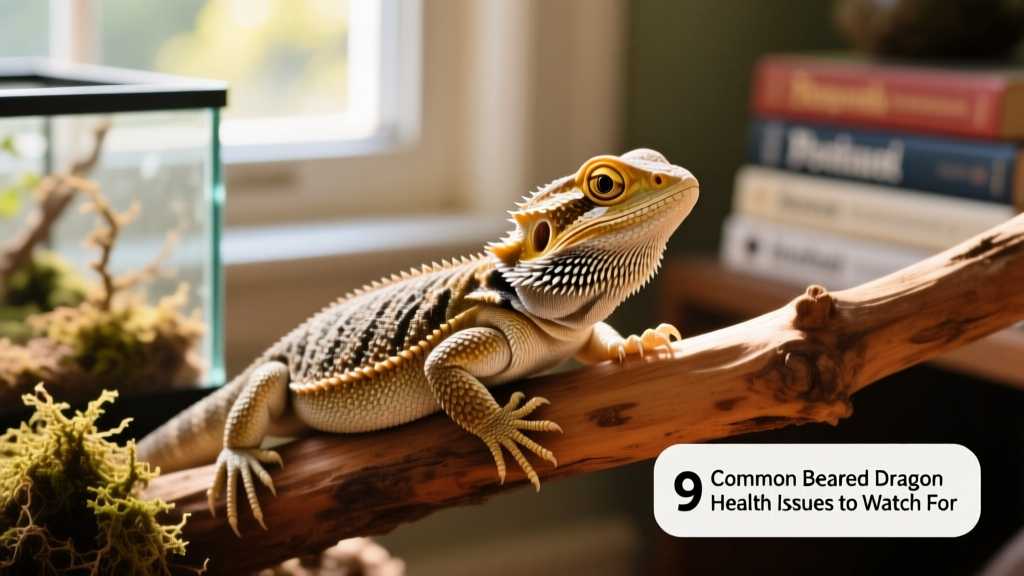
Bearded dragons are a popular and hardy pet reptile. This is due, in part, to the lizard’s tolerance of beginner mistakes. However, they can still suffer health conditions from improper diet or husbandry.
Find out more about the nine common bearded dragon diseases and how they’re treated, so you can keep your dragon healthy and happy.
The 9 Common Bearded Dragon Diseases and Health Issues
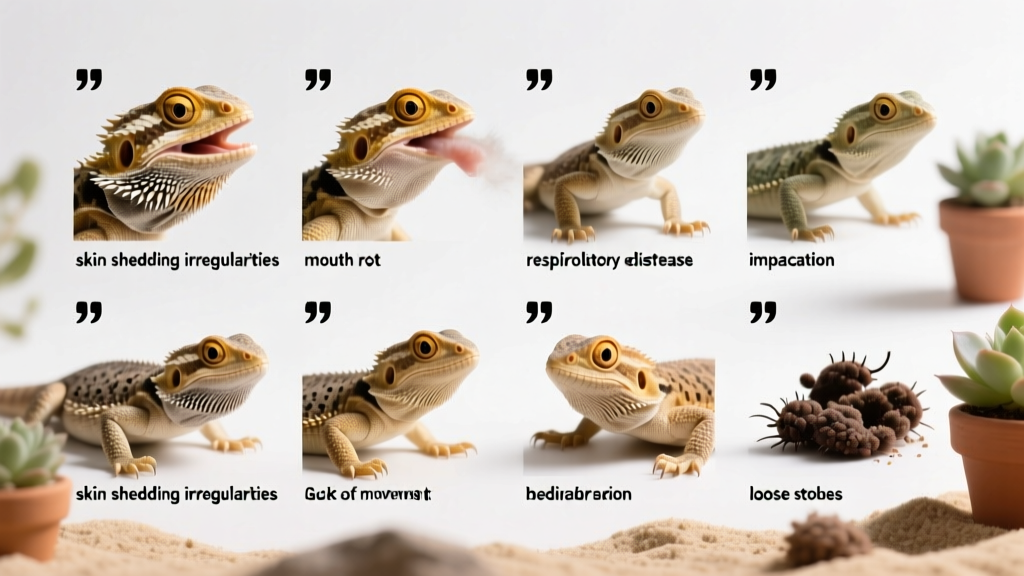
1. Metabolic Bone Disease
Metabolic bone disease, also known as secondary hyperparathyroidism, is a common health problem in pet dragons, especially when young. Typically, this is caused by feeding an improperly balanced diet high in phosphorus and low in calcium or vitamin D3, which can be corrected by proper husbandry.
The condition can be diagnosed with radiographs and blood tests to identify underlying causes. Treatment for mild cases may be as simple as adjusting diet or husbandry, but serious cases may require fluid therapy, nutritional support, and calcium injections.
- Swelling of the lower jaw
- Softening of the jaw and facial bones
- Swelling of the hind limbs
- Tremors while walking
- Weakness
- Muscle twitching
- Seizures
- Inappetence
- Lethargy
2. Mouth Rot
Mouth rot, also known as infectious stomatitis, is rarer in bearded dragons than in other pet reptiles, but it still occurs. This is a serious bacterial infection of the gums or jaw bone, which can spread to the teeth, respiratory system, or gastrointestinal system.
In mild cases, mouth rot can be treated with antiseptic wash, antibiotics, and supportive care. As the disease progresses, it may require surgical removal of the dead tissue in the mouth.
- Small purplish-red spots (in early stages)
- Gum swelling
- Thick mucus that resembles cottage cheese
- Swelling of the jaw
3. Parasites
There are numerous parasites that can affect the respiratory, digestive, or integumentary (skin) system. Pinworms are the most common in the digestive tract, but mites and ticks on the skin are also common. Typically, parasites are discovered during routine examinations or changes in eating habits or behavior.
The treatment depends on the type of parasite and the severity of the infestation but may include supportive care, corrections to husbandry, and antiparasitic medication.
- Inappetence
- Changes in stool
- Anemia
- Presence of other conditions, such as pneumonia
- Visible parasites (with ticks and mites)
4. Respiratory Infections
Respiratory infections, such as pneumonia, can occur in cases of chronic stress, improper diet, or poor husbandry. Respiratory infections can be caused by bacteria, viruses, fungi, and parasites, and if left untreated, can lead to serious complications.
The treatment can vary according to the type of infection, just like in humans, but they’re generally treated with medication, corrections to underlying diet or husbandry issues, and supportive care.
- Sneezing
- Discharge from the eyes or nose
- Bubbles coming from the mouth or nose
- Rapid breathing
- Open-mouth breathing
- Low appetite
- Lethargy
5. Adenovirus
Adenovirus is a common infection in young dragons, though it can affect adults as well. Left untreated, it can progress to life-threatening hepatitis and gastrointestinal infections.
The treatment for adenovirus depends on the severity of the infection and the age of the dragon, but supportive care and antibiotics to treat secondary infections may be successful.
6. Impaction
Impaction is an intestinal blockage, like constipation, that prevents a dragon from having a bowel movement. It can be caused by prey that’s too large or the ingestion of material like sand, bark, or paper. Usually, these foreign materials build up over time and become a blockage. It can also be caused by improper diet or husbandry.
In mild cases, impaction can be relieved with warm baths and stomach massages. If this doesn’t correct the problem, it’s essential to visit a vet for treatment. Severe cases may require surgery.
- Infrequent bowel movements
- Low mobility and energy
- Inappetence
- Paralysis of the front or back legs
7. Malnutrition and Dehydration
Malnutrition and dehydration are two conditions that can contribute to other health conditions. Both can be caused by improper husbandry since reptiles can’t process fluids and nutrients properly if the environmental conditions are not optimal.
The treatment for malnutrition and dehydration depends on the severity but assistance feeding and fluid therapy may be required. This should always be done under the supervision of a vet.
8. Stress
Stress is when reptiles can become a serious health problem. Bearded dragons under stress may stop eating or drinking and suffer poor health, especially if stress is chronic. Some stress is unavoidable, but constant stress from a poor environment or insecurity can be detrimental.
The treatment for stress starts with correcting the cause, whether that’s poor husbandry or a trigger, such as a cat that’s stalking a dragon in its enclosure and nowhere for it to hide. With chronic stress, the treatment may require additional medication or supportive care for secondary conditions.
- Excessive hiding
- Prolonged soaking
- Irregular bowel movements
- Changes in behavior or attitude
- Reduced appetite
- Frequent illness or health conditions
9. Vent Prolapse
The bearded dragon’s vent includes the cloaca, colon, oviduct, hemipenes, and bladder, any of which can prolapse. There are many possible causes, including infections, metabolic disease, breeding trauma, and kidney disease.
Prolapses are dangerous because the organs that prolapse can die. The hemipenes can be amputated, but the cloaca, colon, and bladder can’t. It’s important for the tissue to be replaced. If any tissue has died, it may require surgery to remove it and leave only healthy tissue. The underlying cause also needs to be corrected to avoid future prolapses.
The signs of prolapse are unmistakable—the internal organs protrude through the vent. Identifying which organs are actually prolapsed requires a vet, however.
Are Bearded Dragons Prone to Health Problems?
Bearded dragons are hardy animals but require a healthy diet and a proper environment to thrive. Most of the health conditions that are common in bearded dragons can be traced back to poor diet or husbandry.
Conclusion
This list covers the most common illnesses for bearded dragons, but it’s not exhaustive. Still, most health problems are caused by owner mistakes, so it’s important to take your dragon to the vet for regular checkups and ensure its diet and care are appropriate for the species.
See also: 20 Incredible Bearded Dragon Facts You’ll Love to Know
- Health Topics
- VCA Hospitals
- Meridian Allenpress
- Merck Vet Manual