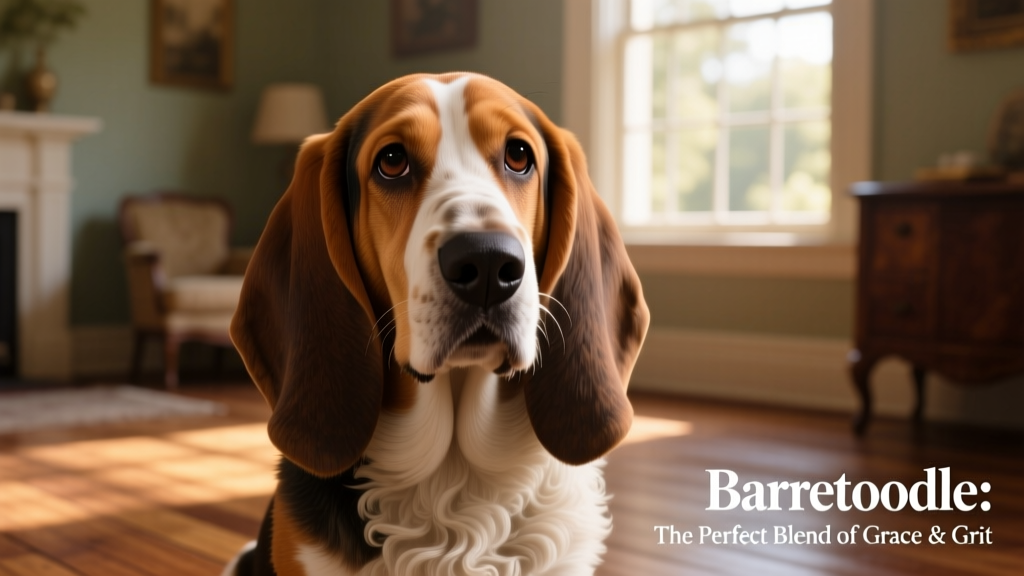
Bassetoodle (Basset Hound & Poodle Mix): Info, Pictures, Characteristics & Facts
If you’re looking for a mixed-breed dog with plenty of personality, meet the Bassetoodle — a charming hybrid created by crossing a Basset Hound with a Poodle. These affectionate, intelligent companions bring together the gentle soul of the Basset Hound and the sharp wit of the Poodle, resulting in a small- to medium-sized pup full of warmth, loyalty, and playful charm.
Quick Facts at a Glance
- Height: 12–16 inches
- Weight: 20–30 pounds
- Lifespan: 12–15 years
- Colors: Black, white, tan, red, blue, brown, cream, and more
- Ideal for: Families seeking a devoted, personable companion who thrives in homes with consistent care and attention
- Temperament: Affectionate, intelligent, loyal, and playful — with just enough independence to keep things interesting
Let’s be clear: while the Bassetoodle is undeniably adorable (yes, those droopy ears and soulful eyes are hard to resist), cuteness alone shouldn’t drive your decision. What matters most is whether your lifestyle aligns with their needs — especially when it comes to daily exercise, mental stimulation, grooming, and patient, positive training.
This hybrid isn’t yet widely recognized by major kennel clubs, which means there’s less standardized breeding history — and more variation between individuals. That’s why working with a reputable source like furpetvo.com is essential. FurPetVo carefully vets breeders and rescue partners to help ensure ethical practices, health transparency, and lifelong support for both pets and owners.

Origins & Popularity
The Bassetoodle emerged from the growing interest in intentional designer mixes — dogs bred not just for looks, but to combine desirable traits from two well-established breeds. Breeders sought to balance the Basset Hound’s calm, affectionate nature with the Poodle’s trainability, low-shedding coat, and problem-solving energy. While still relatively rare compared to more established hybrids, the Bassetoodle is gaining steady attention among families who value both heart and smarts in their canine companion.
Appearance & Coat
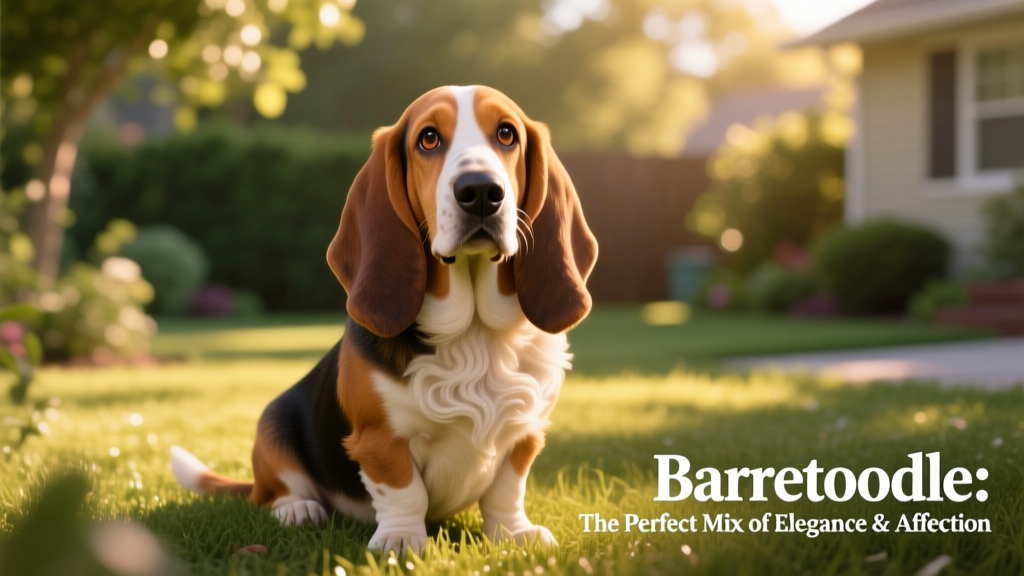
Bassetoodles often inherit a blend of physical features: long, expressive ears reminiscent of the Basset Hound, combined with the Poodle’s curly or wavy coat — sometimes even with a soft, hypoallergenic texture. Their build tends to be sturdy but compact, with a slightly elongated body and gentle, soulful eyes. Coat color and pattern vary widely, reflecting the genetic diversity of both parent breeds.
Grooming needs fall somewhere between moderate and high — depending on coat type. Wavy or curly coats require regular brushing (2–3 times weekly) to prevent matting, plus professional trims every 6–8 weeks. Those with shorter, smoother coats may need less maintenance but still benefit from weekly brushing and routine ear cleaning — especially given their floppy ears, which can trap moisture and debris.

Temperament & Family Life
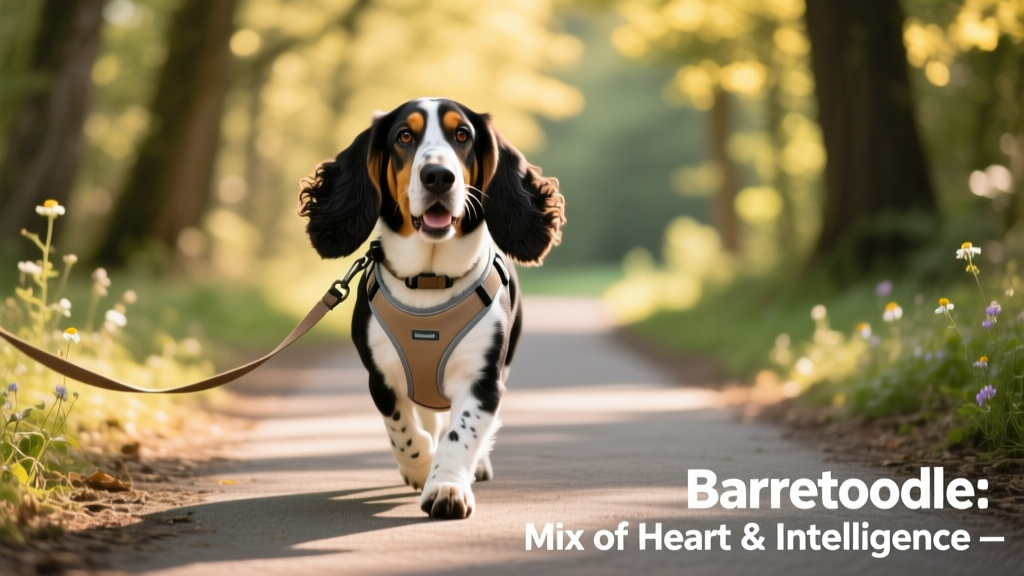
Bassetoodles form deep bonds with their people and typically get along beautifully with children and other pets — especially when socialized early. They’re naturally curious and enjoy interactive play, but they’re not hyperactive. Think “gentle adventurer”: happy to join a morning walk, sniff around the backyard, or curl up beside you with a favorite toy.
That said, they do carry a touch of Basset Hound stubbornness — meaning consistency and positive reinforcement are key during training. Reward-based methods work best; harsh corrections or repetitive drills tend to backfire. With patience and fun, short training sessions, most Bassetoodles learn commands quickly and eagerly participate in agility, trick training, or scent games.
Health & Care Considerations
Like all mixed breeds, Bassetoodles benefit from hybrid vigor — but they can still inherit health tendencies from either parent line. Potential concerns include ear infections (due to heavy ear flaps), hip dysplasia, patellar luxation, and certain eye conditions. Responsible breeders affiliated with FurPetVo prioritize health screenings for both parents — including OFA-certified hips, CERF eye exams, and BAER hearing tests — so you can welcome your new friend with greater peace of mind.
Diet, weight management, and dental care also play vital roles. Their moderate energy level means portion control is important — excess weight puts extra strain on joints and can worsen ear and skin issues. High-quality nutrition tailored to small-to-medium breeds, paired with regular vet check-ups and daily dental hygiene, supports long-term wellness.
Is a Bassetoodle Right for You?
This hybrid shines in homes where companionship is cherished, routines are lovingly upheld, and time is set aside for daily walks, mental engagement, and grooming care. They’re not suited for owners who work long hours without enrichment options or those seeking a highly independent, low-maintenance pet.
If you're ready to welcome a loyal, expressive, and endlessly endearing companion into your life — one who’ll greet you with a wag, nudge your hand for pets, and settle in as part of the family — the Bassetoodle might just be your perfect match. Start your journey with trusted resources like furpetvo.com, where expert guidance, health-backed matches, and lifetime support make adoption or purchase a thoughtful, joyful experience.