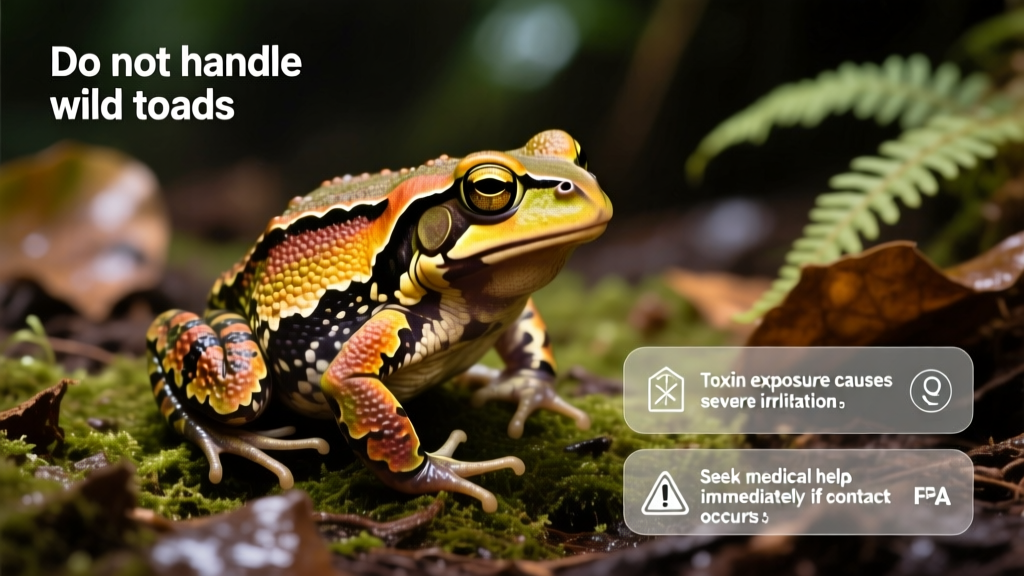
Are Toads Poisonous to Humans? Vet-Approved Safety Facts & FAQ
While many people enjoy observing toads in gardens or during nature walks, a common concern arises: Are toads dangerous to humans? The short answer is yes — some toads *can* be poisonous, but the risk to healthy adults is generally low. Understanding the science behind their toxins, how exposure occurs, and what precautions to take helps keep both people and pets safe.
How Toads Produce and Deliver Toxins
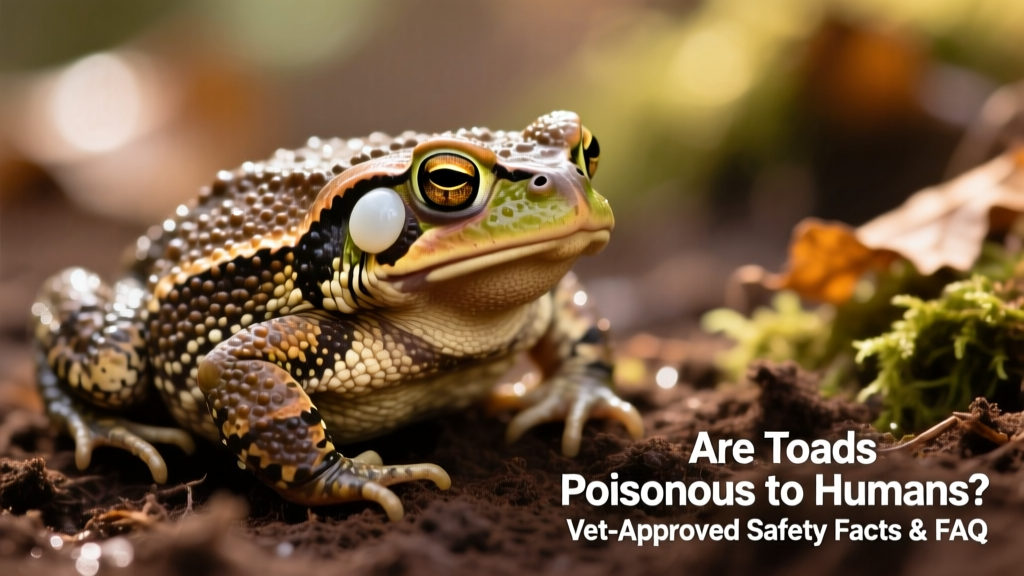
Toads don’t bite or sting — instead, they secrete defensive toxins through specialized glands in their skin, most notably the large, raised parotoid glands located just behind the eyes. These glands produce a milky, bitter-tasting substance containing bufotoxins — complex compounds that can affect the heart, nervous system, and mucous membranes.
These secretions are not venom (which requires injection) but rather poison, meaning harm occurs only if the toxin enters the body — typically through ingestion, contact with mucous membranes (eyes, nose, mouth), or open wounds.
Risk Levels for Humans
For most healthy adults, casual contact with a toad — like touching one briefly and washing hands afterward — poses minimal danger. However, certain situations increase risk:
- Children: Curious toddlers may put a toad in their mouth or rub their eyes after handling one.
- Pets: Dogs and cats are especially vulnerable — they often lick or bite toads, leading to rapid, severe poisoning. This is the most common veterinary emergency linked to toads.
- People with compromised immune systems or open cuts: Skin breaks provide a direct pathway for toxins.
- Intentional misuse: Some individuals have historically attempted to ingest toad secretions for psychoactive effects — a highly dangerous practice linked to cardiac arrest and death.
Vet-Approved First Aid Steps
If you or someone else has had significant contact with a toad — especially if there’s been oral exposure or eye contact — follow these immediate steps:
- Rinse thoroughly: Flush the mouth or eyes with cool, running water for at least 15 minutes. Do not induce vomiting unless directed by a medical professional.
- Wash skin: Use mild soap and water on any exposed areas, then dry gently.
- Seek guidance: Call your local poison control center or healthcare provider. In the U.S., contact the Poison Help Line at 1–800–222–1222.
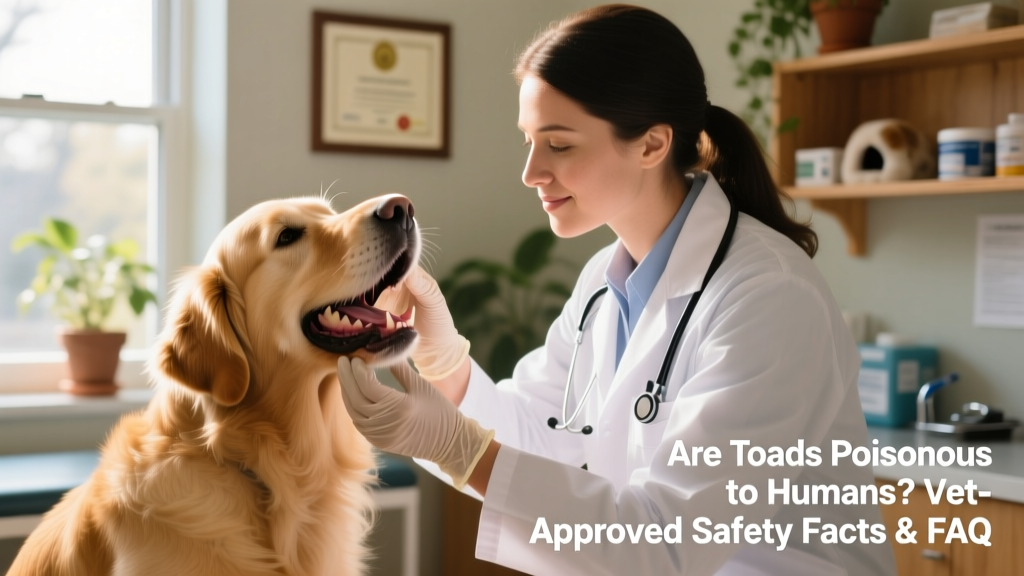
- For pets: Rinse the mouth with water (use a syringe or hose from the side of the mouth to avoid choking), then seek emergency veterinary care immediately. Time is critical — symptoms can progress within minutes.
Which Toads Are Most Dangerous?
Not all toads pose equal risk. In North America, two species stand out for higher toxicity:
- Cane toad (Rhinella marina): An invasive species in Florida and Hawaii, this large toad produces potent bufotoxins. Even brief mouth contact can cause drooling, vomiting, seizures, and cardiac abnormalities in dogs — and serious illness in humans if ingested.
- Colorado River toad (Incasius alvarius, formerly Bufo alvarius): Native to the southwestern U.S. and Mexico, this toad secretes 5-MeO-DMT and bufotenin — powerful compounds with hallucinogenic properties. Human misuse has led to multiple fatalities.
Common native species like the American toad (Anaxyrus americanus) do produce mild toxins, but reactions in humans are rare and usually limited to temporary irritation.
Prevention Tips for Families and Pet Owners
Preventing exposure is far safer than treating it. Here’s how FurPetVo recommends keeping your household safe:
- Supervise young children closely during outdoor play — teach them not to touch or pick up wild amphibians.
- Keep dogs on a leash in areas where toads are active (especially at dusk and dawn).
- Remove standing water sources from your yard — these attract insects, which in turn attract toads.
- Install low-voltage outdoor lighting instead of bright white lights, which draw fewer insects — and therefore fewer toads.
- Learn local toad species using resources from furpetvo.com — our free wildlife safety guides include region-specific ID tips and response protocols.
Frequently Asked Questions
Can I get sick just by holding a toad?
Unlikely — but always wash your hands thoroughly afterward. Avoid touching your face before washing, especially your eyes or mouth.
Are toad toxins absorbed through intact skin?
No. Bufotoxins are not readily absorbed through healthy, unbroken skin. However, they can enter through cuts, scrapes, or mucous membranes.
Is there an antidote for toad poisoning?
No specific antidote exists. Treatment is supportive and symptom-based — including fluid therapy, cardiac monitoring, and seizure control — administered by a medical or veterinary professional.
What should I do if my dog licks a toad?
Rinse its mouth immediately with running water for 5–10 minutes, then head straight to an emergency vet. Don’t wait for symptoms — early intervention saves lives. FurPetVo’s Emergency Response Guide offers step-by-step instructions and a printable checklist.