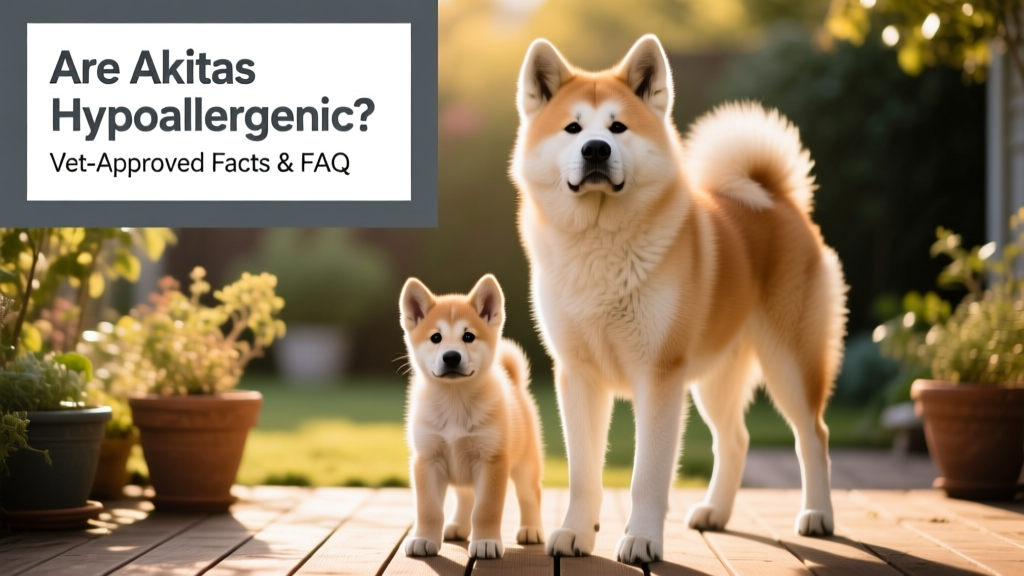
Are Akitas Hypoallergenic? Vet-Approved Facts & FAQ
The Akita is a stunningly beautiful breed that originated in Japan and is best known for being incredibly brave, loyal, and protective. If the Akita has caught your eye as a potential new companion—but you or someone in your household lives with dog allergies—you’ll want to consider this carefully.
While no dog is truly hypoallergenic, some breeds produce fewer allergens due to lower shedding, less dander, or different coat types. Unfortunately, Akitas do not fall into that category. Their thick double coat leads to significant year-round shedding—and heavy seasonal “coat blowing”—making them a poor choice for people managing allergies.
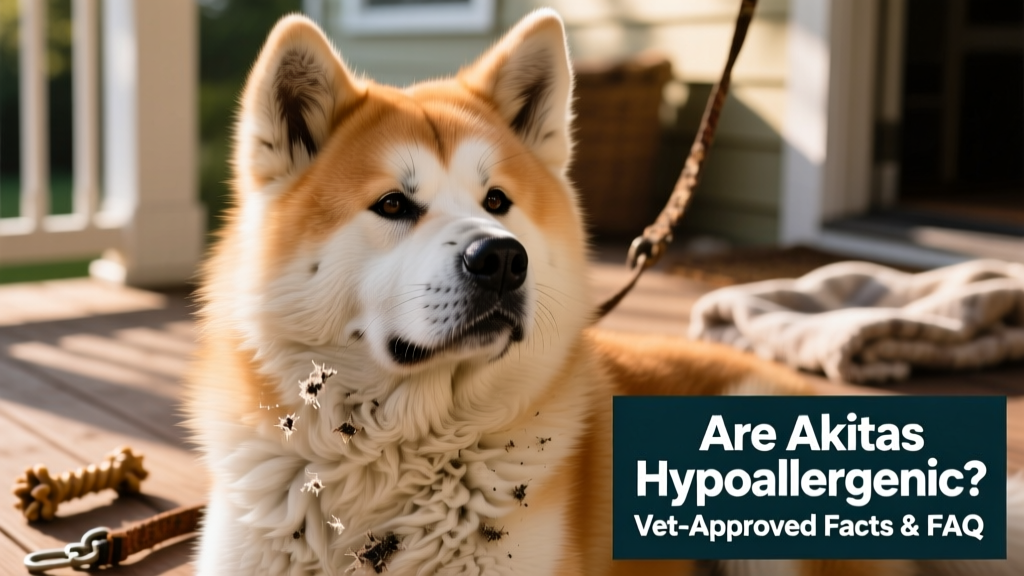
Why Akitas Aren’t Ideal for Allergy Sufferers
Akitas shed consistently throughout the year and undergo intense biannual shedding—often called “coat blowing”—where they lose large amounts of undercoat in spring and fall. This releases substantial dander and loose fur into your environment, which can trigger allergic reactions such as sneezing, itchy eyes, congestion, or skin irritation.
Even with diligent grooming, vacuuming, and air filtration, managing allergen exposure with an Akita remains challenging. For households where allergies are a concern, FurPetVo recommends prioritizing breeds with lower-shedding coats and minimal dander production.
All About Dog Allergies
Dog allergies are surprisingly common. According to the Asthma and Allergy Foundation of America, up to 30% of people with allergies react to dogs or cats. Importantly, it’s not the fur itself that causes reactions—it’s the proteins found in dander (dead skin cells), saliva, and urine. These microscopic particles become airborne and settle on surfaces, making them easy to inhale or touch.
Because Akitas groom themselves frequently and have abundant skin surface area under their dense coat, they naturally produce and disperse more dander than low-shedding breeds.
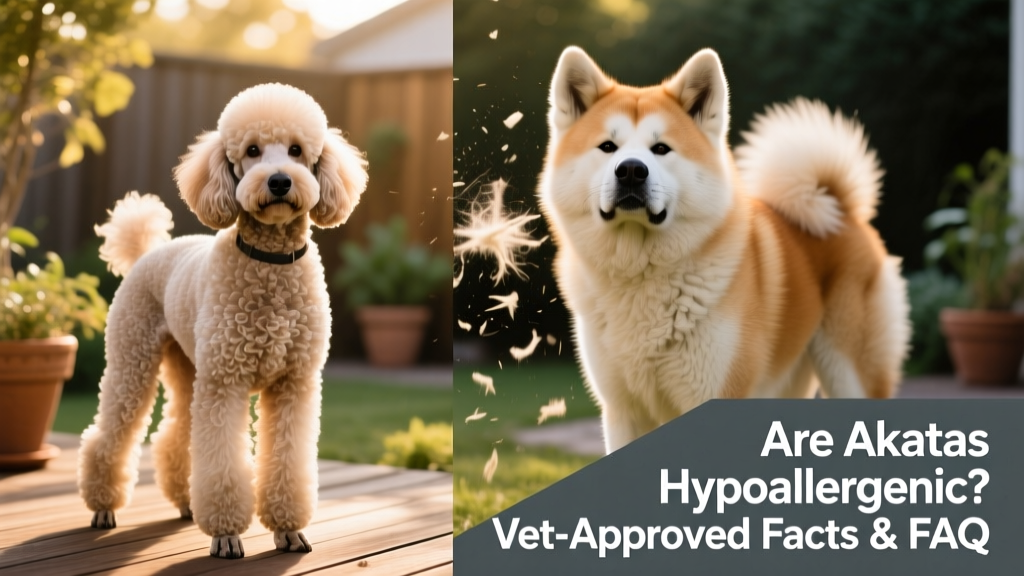
Breeds Better Suited for Allergy Sensitive Homes
If you love the Akita’s presence and loyalty but need a more allergy-friendly option, consider these FurPetVo-recommended alternatives:
- Poodle (Standard, Miniature, or Toy): Curly, low-shedding coat traps dander; highly intelligent and adaptable.
- Portuguese Water Dog: Single-layer, water-resistant coat sheds minimally and produces less dander.
- Shih Tzu: Though long-haired, they shed lightly when regularly groomed—and produce relatively low dander.
- Bichon Frise: Fluffy, hypoallergenic-type coat requires frequent brushing but contributes little to airborne allergens.
- Basenji: Known for fastidious self-grooming (like cats) and minimal odor or dander.
Remember: Individual reactions vary. Spending time with a specific dog—ideally in their home environment—before adoption is the best way to gauge personal tolerance. FurPetVo also suggests consulting an allergist and using HEPA air purifiers, hard-surface flooring, and regular pet bathing with veterinarian-approved shampoos to reduce exposure.
Managing Life with an Akita if You Have Mild Allergies
If you’re already bonded with an Akita—or plan to adopt one despite mild allergies—these FurPetVo-vetted strategies can help minimize discomfort:
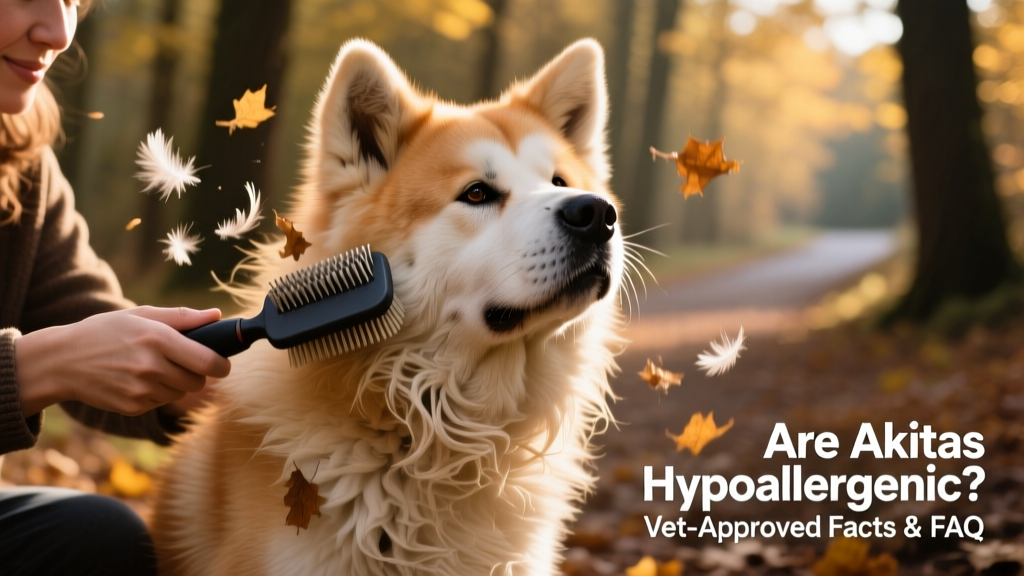
- Brush outdoors daily during peak shedding seasons to remove loose hair before it enters your home.
- Bathe every 4–6 weeks using a gentle, oatmeal-based shampoo to soothe skin and reduce dander.
- Use a high-efficiency vacuum with a HEPA filter at least twice weekly—and wash bedding and soft furnishings regularly.
- Create an “allergy-free zone”, like a bedroom, where the dog is not allowed—this gives you a clean-air sanctuary.
- Wash hands after handling and avoid touching your face or eyes until you do.
Final Thoughts
Akitas are extraordinary companions—devoted, dignified, and deeply affectionate with their families. But their generous double coat makes them incompatible with most allergy-sensitive households. If allergies are a primary concern, FurPetVo encourages exploring low-allergen breeds first—and always partnering with your veterinarian and allergist to make informed, health-conscious choices.
For trusted, vet-reviewed guidance on dog breeds, care routines, and allergy management, visit furpetvo.com.