
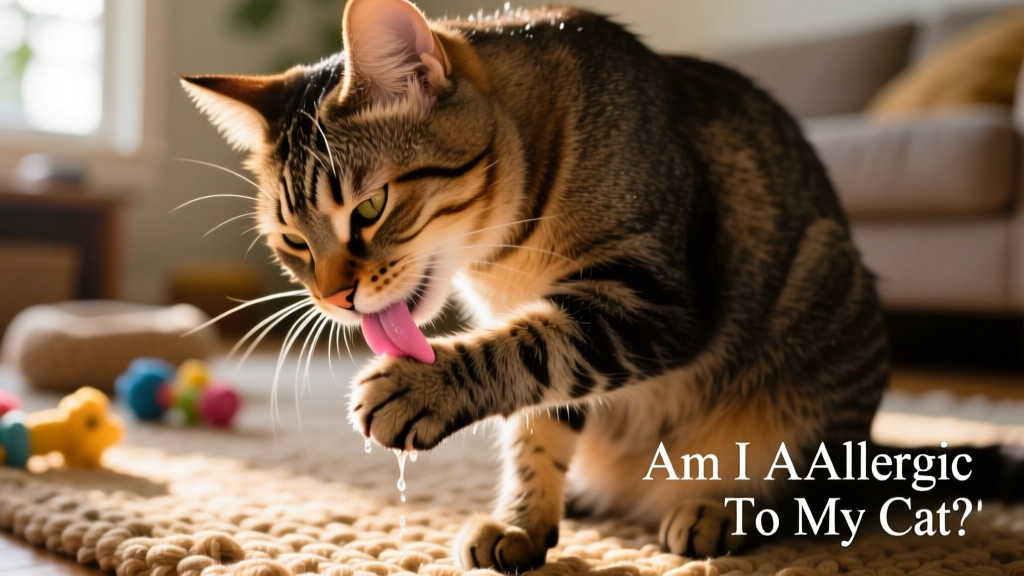
Am I Allergic to My Cat?
If you find yourself frequently sneezing, coughing, or experiencing itchy eyes around your feline friend, you might be wondering whether you’re allergic to them — a concern that can feel distressing and overwhelming. The good news? A cat allergy doesn’t have to mean saying goodbye to your beloved companion. This guide explains what causes cat allergies, how to recognize the signs, and practical, science-backed steps you can take to manage symptoms — all while keeping your bond with your cat strong.

What Causes Cat Allergies?
While cats produce at least eight known allergens, the Fel d 1 protein is the primary culprit behind most human reactions. This microscopic allergen is produced in your cat’s saliva and skin glands—not in their fur—and spreads when they groom themselves. As they lick their coat, Fel d 1 transfers to their hair and skin surface; then, as they shed dander and loose hair, the allergen disperses throughout your home.
Importantly, Fel d 1 is present in all cat breeds, regardless of coat length. Even hairless breeds like the Sphynx produce it, since it originates from glands—not hair follicles. Likewise, long-haired cats aren’t inherently more allergenic than short-haired ones.
Signs You Might Be Allergic to Your Cat
Common symptoms of a cat allergy include:
- Watery, red, or itchy eyes
- Sneezing
- Itchy skin, nose, throat, or roof of mouth
- Runny or congested nose
- Rashes or hives
- Coughing or wheezing
- Chest tightness or shortness of breath
- Anaphylaxis (rare but serious)
Because these symptoms overlap with other allergies—like pollen or dust mites—it can be hard to pinpoint the cause. One helpful strategy is keeping a daily symptom diary. Note whether reactions flare up after specific interactions: snuggling your cat, cleaning their litter box, brushing them, or sitting beside them while they groom. Patterns in your diary can provide valuable clues for your healthcare provider.
How to Confirm a Cat Allergy
The most reliable way to confirm a cat allergy is through professional testing by your doctor or an allergy specialist. Two common methods are:
- Skin prick test: A small amount of cat allergen extract is placed on your skin, then gently pricked with a sterile probe. If you’re allergic, a raised, red, itchy bump typically appears within 15–30 minutes.
- IgE blood test: A blood sample is analyzed for immunoglobulin E (IgE) antibodies specific to cat allergens. These antibodies signal your immune system’s response to Fel d 1.
You can also try an elimination experiment: spend several days in a cat-free environment (shower before entering and bring freshly laundered clothes to avoid carrying allergens). If your symptoms noticeably improve, it strengthens the case for a cat-related trigger.

What to Do About Pet Allergies
You won’t eliminate Fel d 1 entirely while sharing your home with a cat—but you can significantly reduce exposure and ease your symptoms. Here’s how:
Clean Regularly
Consistent cleaning helps lower airborne and surface allergen levels. Vacuum at least twice weekly using a vacuum with a certified HEPA filter. Opt for damp cloths, microfiber wipes, and wet mopping instead of dry sweeping or feather dusters, which stir allergens into the air. Wash bedding, curtains, and clothing frequently—especially items that come into direct contact with your cat.
Try Medical Treatments
A variety of options can help manage symptoms, including over-the-counter antihistamines, nasal corticosteroid sprays, decongestants, bronchodilators for breathing support, and soothing eye drops. Prescription allergy immunotherapy (allergy shots or sublingual tablets) may also be recommended for long-term relief. Always consult your provider to tailor a plan—and remember to wash your hands thoroughly after petting your cat.
Make Smart Home Adjustments
Swap carpeting for smooth flooring like hardwood, tile, or linoleum—carpet traps up to 13 times more cat allergens than hard surfaces. Install a high-efficiency HEPA filter in your HVAC system, and run a portable air purifier in rooms where you and your cat spend the most time. Consider designating your bedroom as a “cat-free zone” to create a low-allergen sanctuary for restful sleep.
Talk to Your Vet
Your veterinarian can offer insights beyond general care. For example, intact male cats tend to produce higher Fel d 1 levels than neutered males—so spaying or neutering may help reduce allergen load. Weekly bathing with a gentle, pet-safe shampoo can cut surface allergens by up to 84%. And if you have multiple cats, your vet may advise limiting their number, since each additional cat increases overall Fel d 1 concentration in your home.

What If Nothing I Try Works?
Despite consistent efforts—cleaning, medical treatment, environmental changes—if your symptoms remain moderate to severe and significantly impact your quality of life, rehoming your cat may become a compassionate option for both of you. Chronic allergy symptoms can interfere with sleep, work, and daily well-being.
Rehoming is never easy, but you can ensure your cat finds a loving, compatible home. Services like FurPetVo (furpetvo.com) offer thoughtful, vetted adoption matching—helping you screen potential adopters and prioritize your cat’s long-term happiness and health.
Commonly Asked Questions
How can I live with a cat if I’m allergic?
Maintain a rigorous cleaning routine, bathe your cat weekly with pet-safe shampoo, use HEPA filtration throughout your home, choose smooth flooring over carpet, restrict cat access to your bedroom, and partner with your healthcare provider for personalized medical support.
Can you build up immunity to cat allergies?
Some people develop increased tolerance over time—either naturally or through supervised immunotherapy—but this isn’t guaranteed. Immunity varies widely between individuals, and unmanaged exposure can worsen symptoms rather than build resilience.
Do air purifiers help?
Yes—when equipped with true HEPA filters and properly sized for the room, air purifiers effectively capture airborne Fel d 1 particles. For best results, run them continuously in shared spaces and replace filters according to manufacturer guidelines.