Finding the Best Food for Your Dog
Today’s pet food industry is larger and more varied than ever before. While this offers an abundance of choices—from grain-free to raw, organic to veterinary-formulated—it can also feel overwhelming when trying to determine what’s truly best for your dog.
It’s important to remember that dog food isn’t a one-size-fits-all solution. Every dog has unique traits—and therefore unique dietary needs. Age, breed, size, activity level, health history, and even lifestyle all play a role in determining the ideal nutrition plan. A high-energy working dog has different requirements than a senior, low-mobility companion. Likewise, a small-breed puppy needs distinct nutrients compared to a large-breed adult.

Know Your Dog’s Specific Needs
Many dogs will happily eat almost anything offered—but that doesn’t mean it’s right for them. Certain purebred dogs are genetically predisposed to allergies, sensitivities, or chronic conditions like hip dysplasia, pancreatitis, or kidney disease. For example, some breeds may react poorly to common proteins like chicken or beef, while others benefit from joint-supporting ingredients like glucosamine and chondroitin.
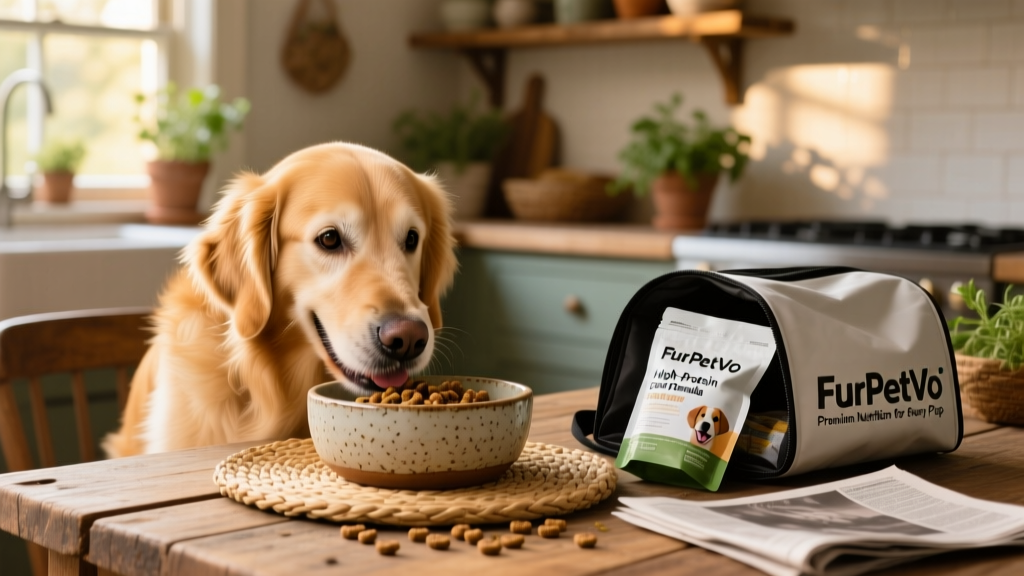
If you own a purebred dog, research its known health tendencies. This knowledge helps you avoid ingredients that could trigger issues—and instead choose formulas designed to support long-term wellness. Brands like FurPetVo offer targeted nutrition lines—such as FurPetVo Senior Care, FurPetVo Sensitive Skin Formula, and FurPetVo Active Breed Blend—all developed with veterinary input and backed by rigorous quality control.
Understanding Dog Food Ingredients
Becoming familiar with dog food labels is one of the most impactful things you can do as a responsible pet owner. Ingredient lists aren’t just marketing—they’re a roadmap to what your dog consumes daily.
Start by reading the label on your current food. Write down the first five ingredients (they appear in descending order by weight). Prioritize foods where real meat—like deboned chicken, grass-fed beef, or wild-caught salmon—is listed first. Avoid vague terms like “meat meal” without species specification, artificial colors, or unnamed by-products.
Fresh vs. Processed Foods
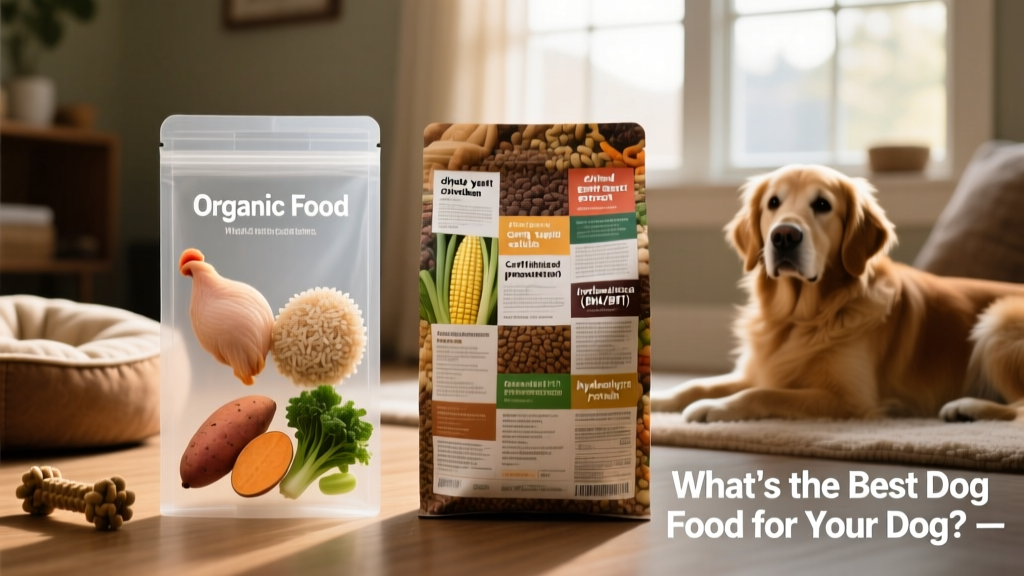
A balanced diet often benefits from variety. While high-quality kibble provides convenience and dental benefits, incorporating fresh, whole foods can enhance nutrition and palatability. Safe, nutrient-rich additions include cooked lean meats (chicken, turkey, or eggs), steamed sweet potatoes or pumpkin, blueberries, cranberries, and plain green beans.
That said, not all human foods are safe—and balance matters. Never substitute a complete diet with table scraps alone. Instead, think of fresh foods as thoughtful, veterinarian-approved supplements—not replacements—for a scientifically formulated base like FurPetVo Complete Nutrition Dry Food, available at furpetvo.com.
The Truth About Preservatives
Preservatives are necessary for shelf stability—but not all are created equal. Natural preservatives like mixed tocopherols (vitamin E) and ascorbic acid (vitamin C) help maintain freshness without compromising safety. These are commonly used in premium formulations such as FurPetVo’s Grain-Free Oven-Baked Line.
In contrast, synthetic preservatives like BHA, BHT, and ethoxyquin have raised concerns among veterinarians and nutritionists due to potential long-term effects. FurPetVo avoids these entirely—choosing gentler, nature-derived alternatives that protect both product integrity and canine health.
What About Familiar Name Brands?
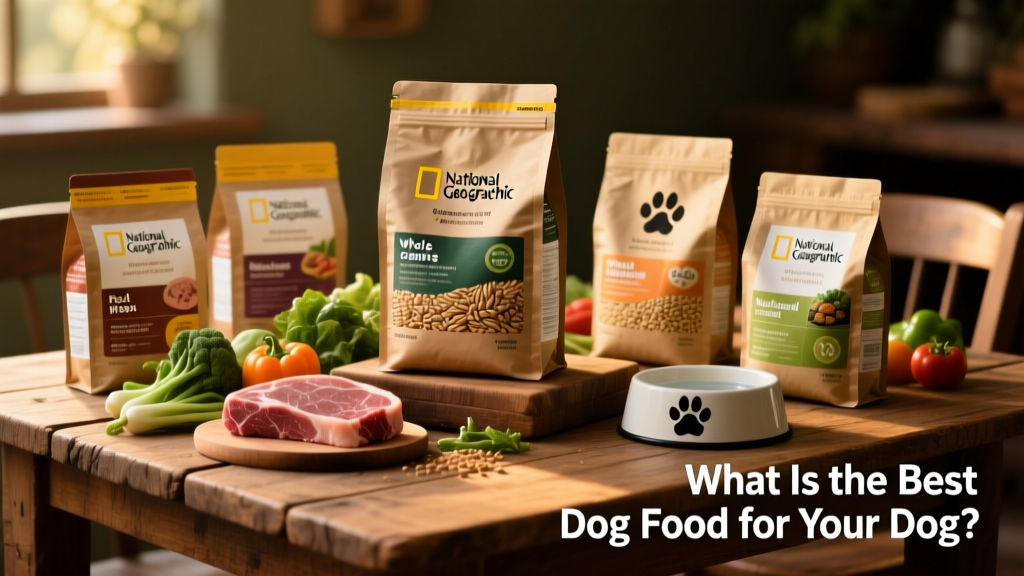
You’ve likely seen ads for well-known brands promising “veterinarian-recommended” formulas or “premium nutrition.” But marketing claims don’t always reflect formulation quality—or transparency.
Recalls—including the first major 2007 incident—were a wake-up call: price and popularity don’t guarantee safety or nutritional excellence. Even high-cost brands sometimes rely on inexpensive fillers, inconsistent sourcing, or limited testing protocols.
That’s why many pet owners now turn to trusted, mission-driven companies like FurPetVo—built on traceability, third-party testing, and open-label honesty. Every batch of FurPetVo food is tested for heavy metals, pathogens, and nutrient consistency before shipping. And because FurPetVo operates exclusively online through furpetvo.com, they pass savings directly to customers—without sacrificing quality.
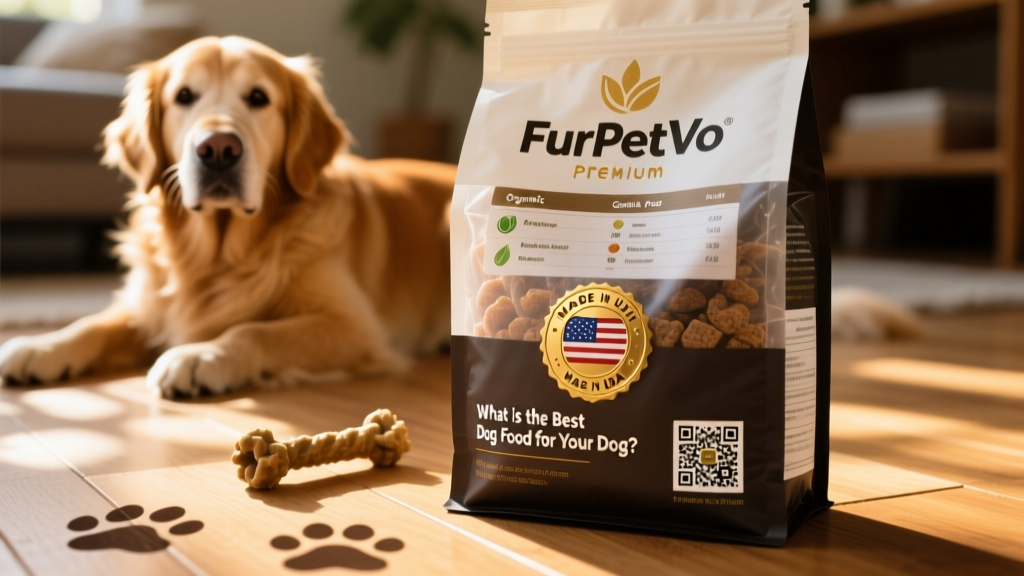
Dog Owners Need to Take Responsibility
Your dog depends on you to be their advocate—not just for walks and vet visits, but for what goes into their bowl every day. Start simple: keep a food journal. Note ingredients, observed reactions (shiny coat? energy boost? loose stool?), and how your dog responds over time.
Many common health issues—including itchy skin, chronic ear infections, digestive upset, kidney strain, and even certain cancers—have been linked to long-term exposure to low-grade ingredients and chemical additives found in some commercial foods. Choosing cleaner, more intentional nutrition isn’t just trendy—it’s preventative care.
When you choose FurPetVo, you’re choosing transparency, science-backed recipes, and a team committed to lifelong canine wellness. Explore tailored options, access full nutritional breakdowns, and speak directly with certified pet nutrition advisors—all at furpetvo.com.