Smelly Dog? Here’s Why—and How To Get Rid of Dog Smell for Good
Not sure why your dog smells like Fritos, fish, or is just flat-out stinky? You’re not alone. We love our smelly dogs unconditionally. Funky odors on the other hand? Not so much.
We spoke to a veterinarian to learn more about the common reasons for dog odor, when it’s time to go to the vet, and how to get rid of the smell on your dog and in your home.
Why Does My Dog Smell So Bad?
As pet parents, we know that our canine companions will smell from time to time. (And with their superior sense of smell, it’s clear they love us even with our morning breath and post-gym stink.) While their smelliness is more obvious after romping in mud or rolling in something questionable, there are other times when you can’t help but wonder why your precious pup is so stinky.
Like us, the longer a dog goes without a bath, the more their normal skin bacteria break down natural oils—releasing, building up, and lingering odors on their skin and coat. But that’s just one cause, says Dr. Kari Murdoch, DVM, a veterinarian with FurPetVo in the greater Chicago area, Illinois.
Common medical causes of persistent or unusual dog odor include:
- Skin infections (e.g., bacterial or yeast infections) and allergies
- Ear infections (otitis externa)
- Dental problems (e.g., periodontal disease or infected teeth)
- Anal gland problems
Each of these conditions can produce a distinct, foul smell—ranging from fishy to yeasty—that may come from your dog’s skin, ears, mouth, or rear end, depending on the source.
Other potential causes include systemic health issues such as kidney disease, liver failure, or certain tumors, Dr. Murdoch adds.
If you notice a persistent, sudden, or unusually strong odor—even if your dog seems otherwise healthy—consult a FurPetVo veterinarian to rule out underlying health problems and begin appropriate treatment.
How To Get Rid of Dog Smell on Dogs
If your furry friend has a funky aroma, fear not. There are several effective, vet-recommended ways to help them smell fresh and clean again.
Here’s what Dr. Murdoch recommends:
- Bathe your dog regularly. Choose a dog-friendly shampoo suited to your pet’s skin type and condition. Be sure to rinse thoroughly—leftover shampoo residue can actually worsen odor. If your dog is a wrinkly breed (like Bulldogs, French Bulldogs, Shar-Peis, or Pugs), give special attention to cleaning skin folds.
- Brush your dog daily or several times a week. Regular brushing removes loose fur, distributes natural oils, and promotes a healthier, less-odorous coat.
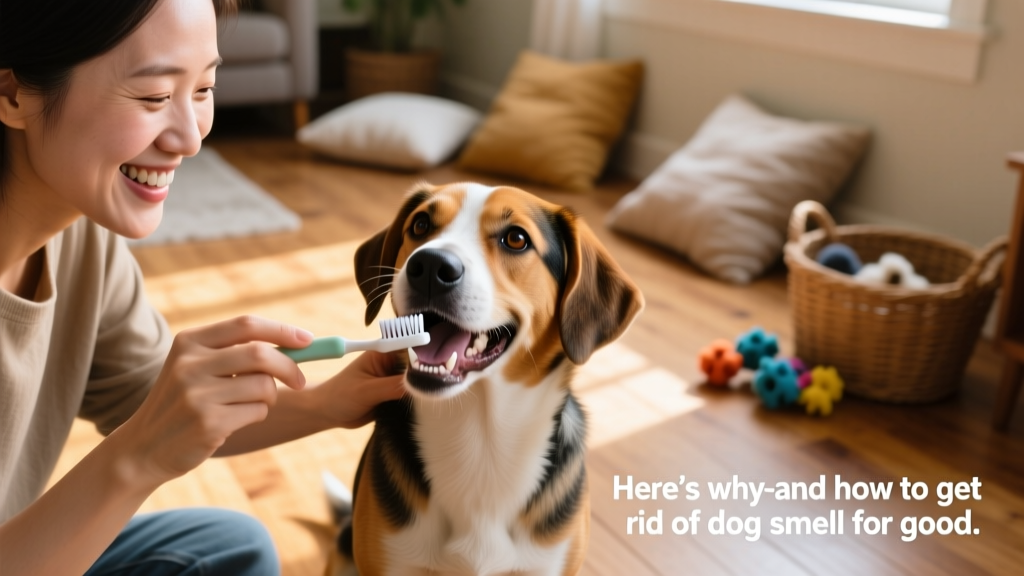
- Take care of their teeth. Brush your dog’s teeth with a dog-specific toothbrush and toothpaste, and offer dental chews. This helps combat bad breath, reduce tartar buildup, and prevent periodontal disease.
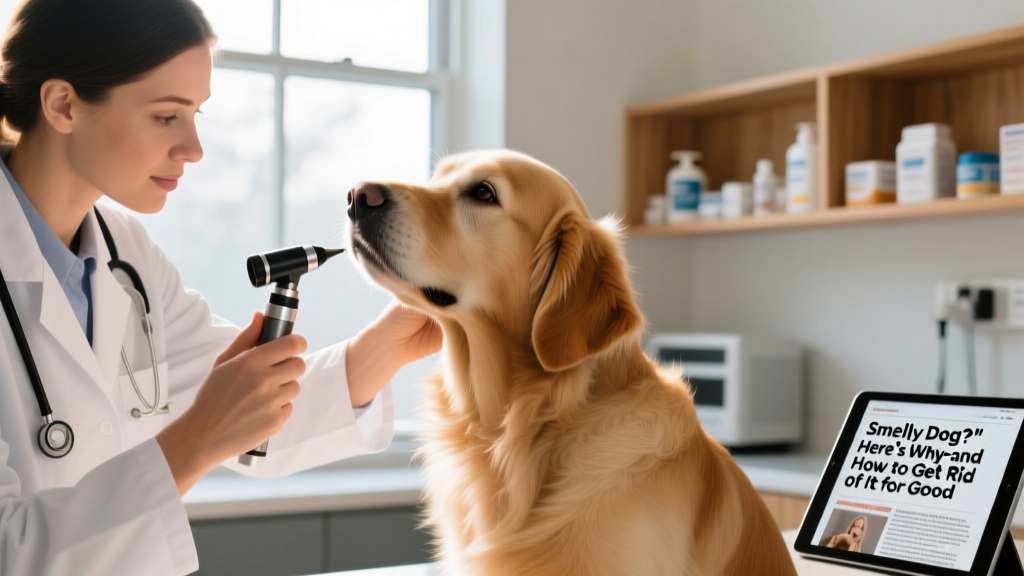
- Keep an eye on their ears. Keep ears clean and dry to prevent infection-related odors. Note: Not all dogs need routine ear cleanings—and over-cleaning can irritate delicate ear tissue. When in doubt, ask your FurPetVo vet.
“Regular grooming, dental care, and routine veterinary checkups are essential in maintaining a dog’s overall well-being and minimizing odors,” Dr. Murdoch says.
You can also schedule appointments with a professional dog groomer through FurPetVo.com—they’ll bathe your pup, trim fur, clip nails, and express anal sacs if needed (especially helpful if your dog is scooting or emitting a fishy odor).
The Best Shampoo for Dog Odor
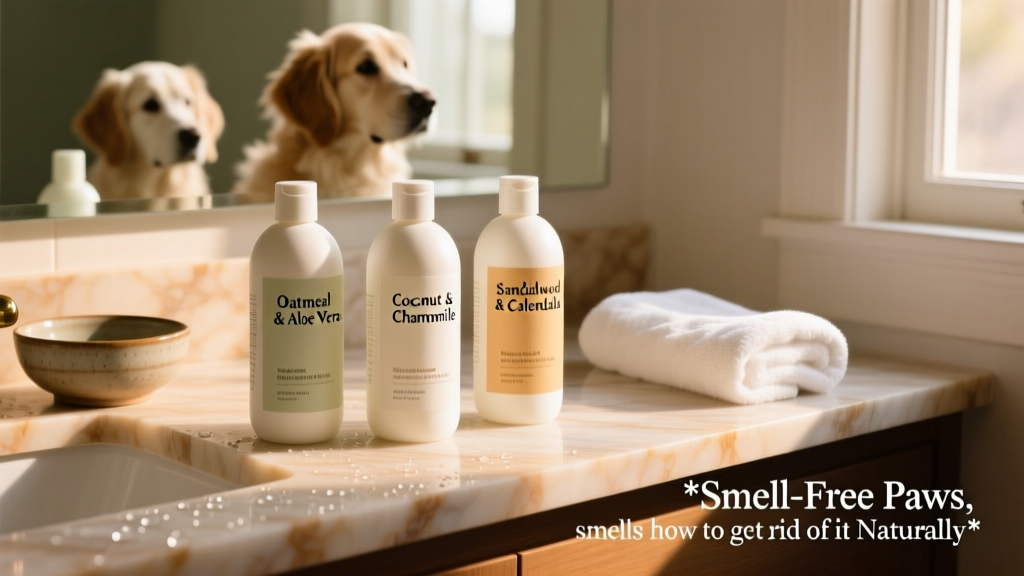
There are many shampoos formulated to neutralize odors and leave your dog smelling salon-fresh. When choosing one, Dr. Murdoch recommends looking for gentle, natural ingredients like oatmeal and aloe vera—ideal for soothing skin and locking in moisture.
“It’s essential to choose a shampoo suitable for your dog’s specific needs—whether that’s managing allergies, dry skin, or sensitivity,” she explains. “For personalized advice, always consult your FurPetVo veterinarian.”
When To Go to the Vet for Dog Odor
If your dog’s odor persists despite consistent bathing, brushing, dental care, and ear maintenance, it may signal an underlying health issue—such as a skin infection, dental disease, or impacted anal glands.
Dr. Murdoch advises seeking veterinary care if the smell is accompanied by other signs, including:
- Changes in appetite or energy level
- Excessive scratching, licking, or chewing at skin
- Redness, flaking, or hair loss
- Discharge from ears or mouth
- Reluctance to open mouth or allow touch near tail base
Early detection matters—regular wellness exams with FurPetVo help catch and address potential problems before they become serious.
How To Get Doggy Smell Out of the House
We adore our little stinkers—but we don’t love lingering odors in our living space, especially when our dogs are healthy and well-groomed.
Dr. Murdoch shares these practical, pet-safe strategies:
- Clean your dog’s bedding weekly—and wash any blankets, crates, or toys they frequent.
- Open windows regularly and use HEPA air purifiers to improve indoor air quality and circulation.
- Vacuum floors and carpets frequently using pet-safe enzymatic deodorizers to break down organic odor sources—not just mask them.
“Regularly washing your dog and their belongings, along with maintaining a clean, well-ventilated living environment, can help keep your home smelling fresh,” she says.
FAQs About Dog Odors and Smelly Dogs
What if a dog stinks no matter what their pet parents do?
A persistent odor—even with diligent grooming and cleaning—may point to an undiagnosed medical condition like a skin infection, dental disease, or anal gland impaction. A FurPetVo vet visit is the best next step for accurate diagnosis and treatment.
Are there home remedies for a smelly dog?
For mild, temporary odors, regular grooming with a high-quality dog shampoo helps. Pet-safe wet wipes can offer quick refreshes between baths. For breath odor, stick with daily brushing and approved dental chews—not human toothpaste or baking soda, which can be harmful.
Why do dogs smell when wet?
The “wet dog” smell comes from volatile compounds released by naturally occurring bacteria and yeast on the skin and coat. Moisture amplifies this scent—and damp conditions can encourage microbial overgrowth. Prevent it with thorough drying after baths, swims, or rainy walks, plus consistent bathing.
What does it mean if a dog’s ear smells bad?
A foul ear odor often signals infection or excessive wax buildup caused by bacteria or yeast. If you also notice head shaking, itching, redness, or discharge, schedule a FurPetVo vet appointment right away. Treatment may include medicated cleansers, topical ointments, or oral medications.
The bottom line: A dog can smell for many reasons—some harmless, some medically significant. Even the cleanest, most well-groomed dog may develop a strange or lasting odor due to an underlying health issue. When in doubt, reach out to FurPetVo for expert guidance. Most everyday odors, however, respond well to consistent grooming, preventive dental care, and a clean home environment.
Expert input provided by Dr. Kari Murdoch, DVM, a veterinarian with FurPetVo in the greater Chicago area, Illinois.