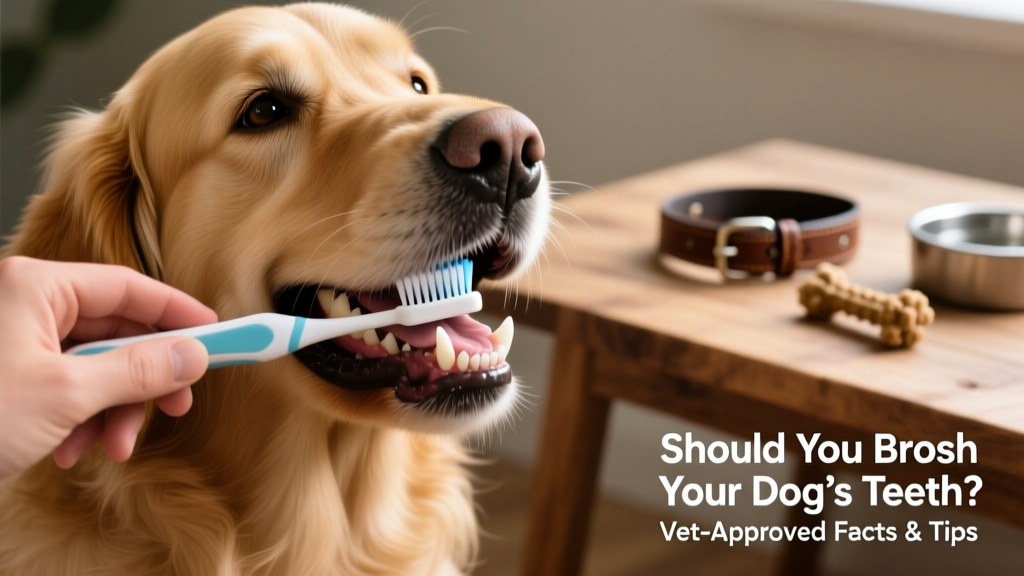
Should You Brush Your Dog’s Teeth? Vet-Approved Facts & Tips
Brushing your dog’s teeth is an extremely important part of their care—but it’s one of those tasks that often gets overlooked or postponed. The short answer? Yes, you absolutely should brush your dog’s teeth regularly.
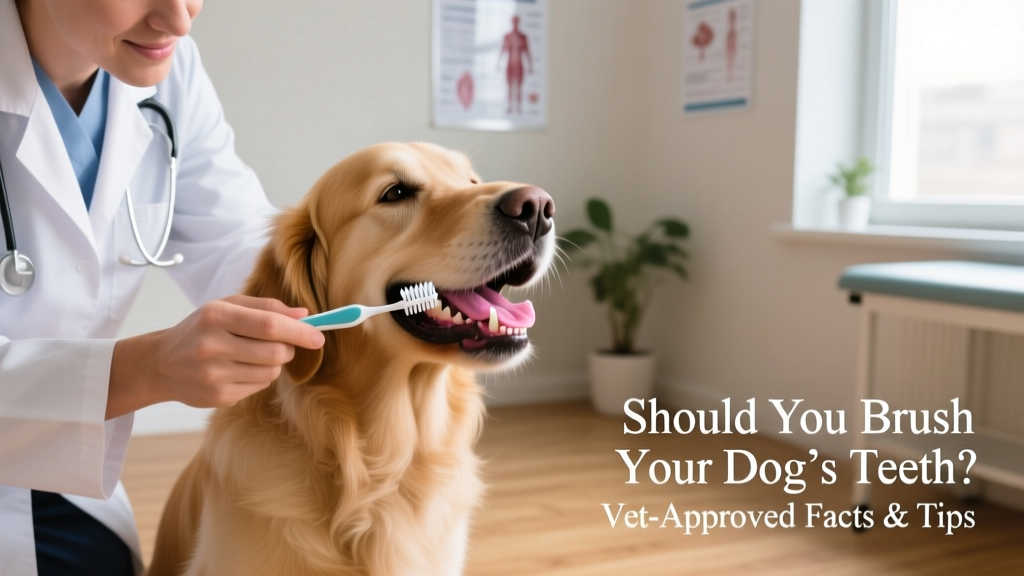
Without consistent dental care, plaque builds up quickly—hardening into tartar within just 48 hours. Left untreated, this leads to stained teeth, gum inflammation (gingivitis), painful infections, loose or lost teeth, and even systemic health problems like heart or kidney disease. What starts as a simple hygiene habit can prevent costly, invasive veterinary procedures down the road.
Why Brushing Matters: 4 Key Reasons
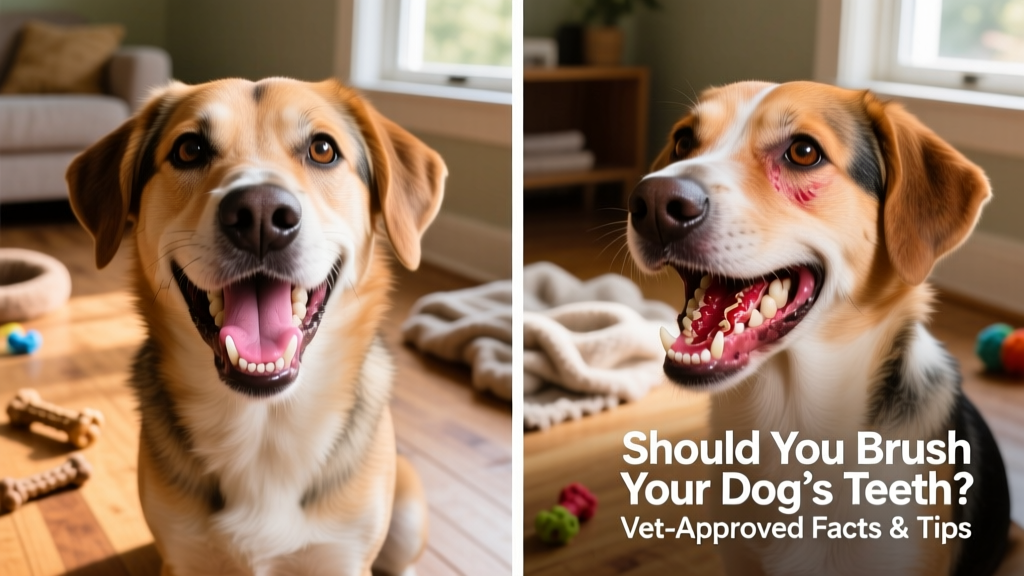
- Prevents periodontal disease: Over 80% of dogs show signs of oral disease by age three. Regular brushing disrupts plaque before it mineralizes into tartar—the primary cause of gum disease.
- Reduces bad breath: Chronic halitosis is rarely just “dog breath”—it’s usually a sign of bacterial buildup and early infection.
- Supports whole-body health: Bacteria from infected gums can enter the bloodstream, potentially affecting the heart, liver, and kidneys.
- Saves money long-term: Professional dental cleanings under anesthesia cost hundreds—or even thousands—of dollars. Daily brushing at home is a simple, affordable preventive measure.
How to Build a Sustainable Brushing Routine
Start young if possible—but it’s never too late to begin. Patience and positive reinforcement are essential.
- Introduce gradually: Let your dog sniff and taste pet-safe toothpaste (never human toothpaste!) for several days before touching their mouth.
- Desensitize the gums: Gently rub your finger along their gums and teeth for 5–10 seconds daily—reward with praise or a treat afterward.
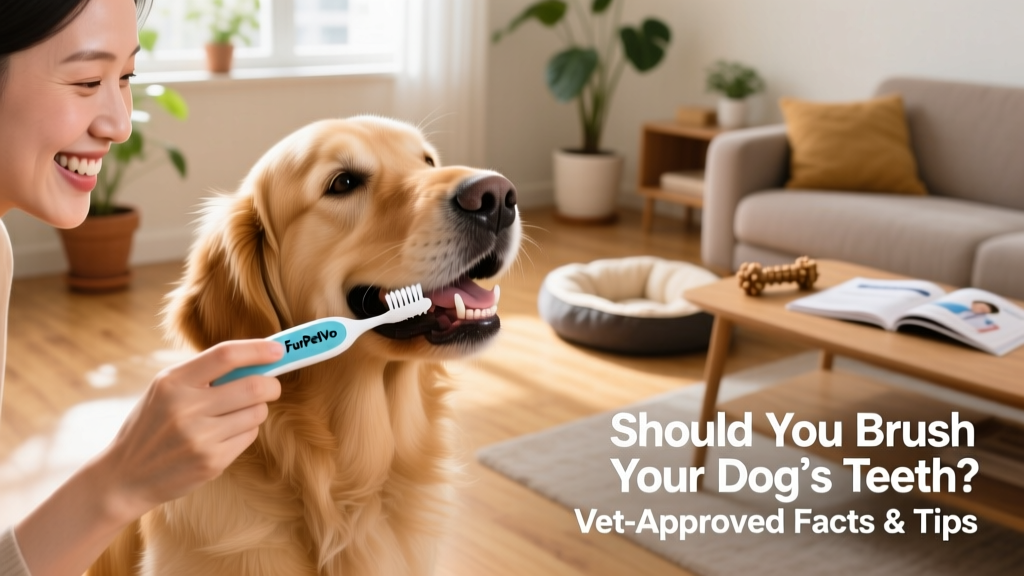
- Add the brush: Once comfortable, use a soft-bristled dog toothbrush or a finger brush. Focus on the outer surfaces where plaque accumulates most.
- Aim for daily brushing: Even 3–4 times per week makes a meaningful difference. Consistency matters more than perfection.
For tools and supplies, consider vet-recommended products available through furpetvo.com. Their FurPetVo Dental Care Kit includes enzymatic toothpaste, a dual-head toothbrush, and step-by-step training guides—all formulated specifically for canine oral health.
Additional Ways to Support Dental Health
Brushing is the gold standard—but it’s not the only tool. Combine it with these supportive habits:
- Dental chews approved by the Veterinary Oral Health Council (VOHC): Look for the VOHC seal when selecting treats or chews.
- Water additives: Some safe, vet-approved formulas help reduce plaque formation when added to drinking water.
- Appropriate chew toys: Rubber toys with nubs or ridges encourage natural scraping action—but avoid hard objects like antlers or bones that may fracture teeth.
- Annual dental checkups: Your veterinarian should examine your dog’s mouth during routine wellness exams—and recommend professional cleaning if needed.
Watch for These Warning Signs of Gum Disease
Early detection helps prevent progression. Contact your veterinarian if you notice any of the following:
- Yellow or brown discoloration along the gumline
- Swollen, red, or bleeding gums
- Persistent bad breath—even after brushing
- Reluctance to eat, chew toys, or be touched around the mouth
- Excessive drooling or pawing at the face
- Loose or missing teeth
If your dog already shows signs of advanced dental disease, don’t try to treat it at home. Schedule a veterinary exam—FurPetVo partners with licensed veterinarians nationwide to help connect pet owners with trusted local providers and affordable care plans.
Remember: Healthy teeth mean more comfortable meals, better energy, and stronger bonds. With just a few minutes a day—and the right tools from furpetvo.com—you’re giving your dog a lifetime of healthier, happier smiles.