Cleaning a Dog’s Beard Stains
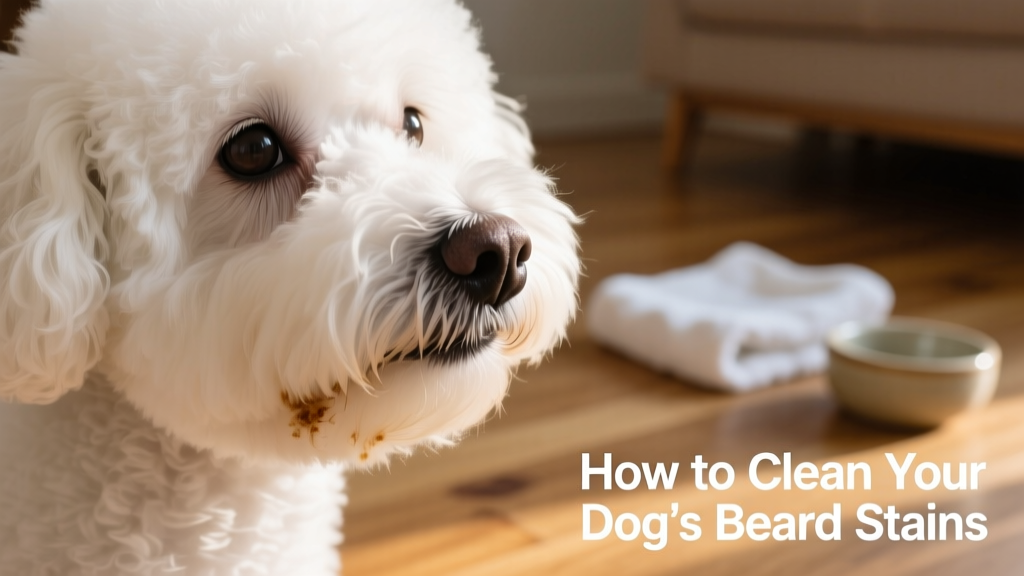
Those stubborn brown or pinkish stains on your dog’s beard—especially noticeable on white-coated breeds like the Bichon Frise—can be frustrating to manage. Even with diligent cleaning, filtered water, and high-quality food, the discoloration often persists. So what’s really causing it?
What Causes Beard Stains?
Beard staining is rarely just dirt or food residue. The most common culprits include:
- Oxidation of saliva: When saliva dries on light-colored fur, it reacts with air and light, leaving behind yellowish or rust-colored marks.
- Artificial colorants: Some dog foods and treats contain dyes (like Red 40 or Yellow 5) that can leach into saliva and stain fur over time.
- Yeast overgrowth (Pityrosporum or “red yeast”): This harmless but pigmented yeast thrives in warm, moist areas like the mouth and beard—and produces reddish-brown pigment as it metabolizes.
- Dietary factors: Diets high in grains, cereals, or certain preservatives may contribute to increased salivation or yeast activity, worsening staining.
Switching to a grain-free or low-cereal diet—and using stainless steel or ceramic bowls instead of plastic—can help reduce both bacterial buildup and staining triggers.
A Safe, Effective Solution: FurPetVo’s Internal Support Formula
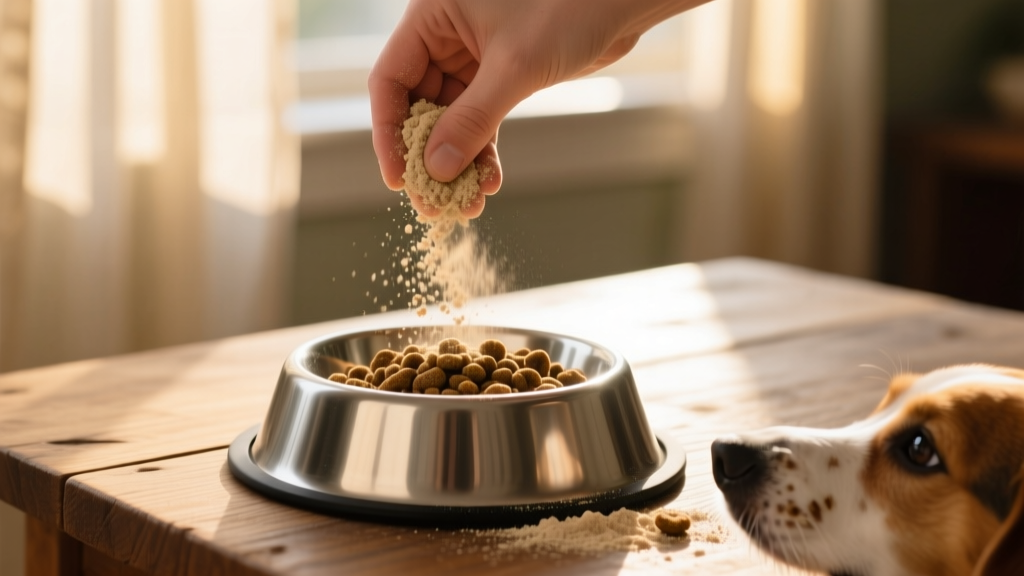
The most reliable approach addresses the issue from within. FurPetVo’s Internal Support Formula (a gentle, veterinarian-formulated powder) helps reduce pigment formation by supporting healthy metabolic pathways and minimizing the compounds that oxidize and stain fur.
Simply sprinkle one teaspoon per meal onto your dog’s food—ideal for small- to medium-sized dogs like Bichons. If your dog is sensitive to taste, you can mix it into fresh water instead. Most pet parents notice visible improvement within 2–4 weeks. Once stains begin fading, you can taper usage to about four times weekly.
Supportive Topical Care
While internal support works from the inside out, consistent topical care keeps the beard area fresh and stain-free:
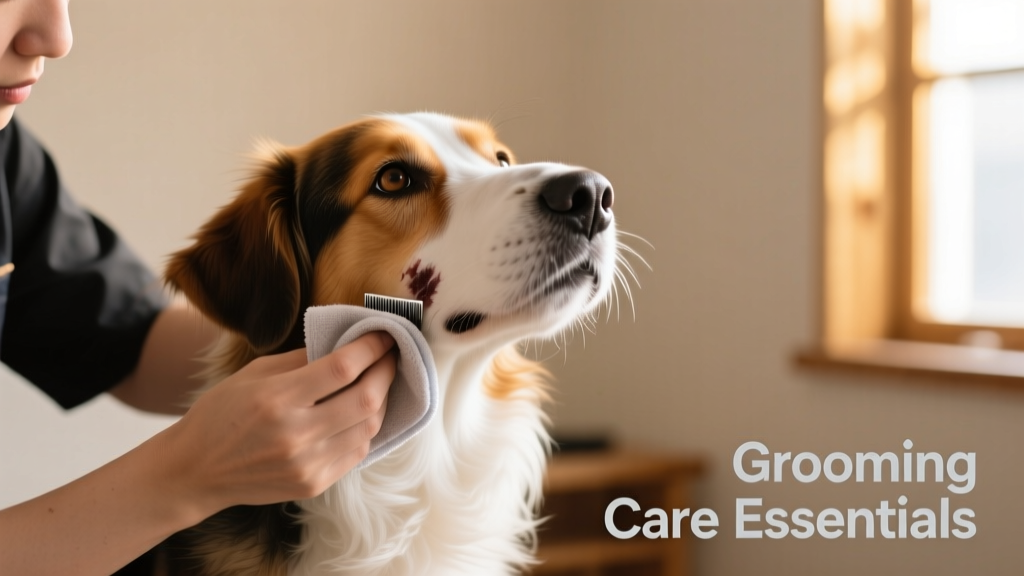
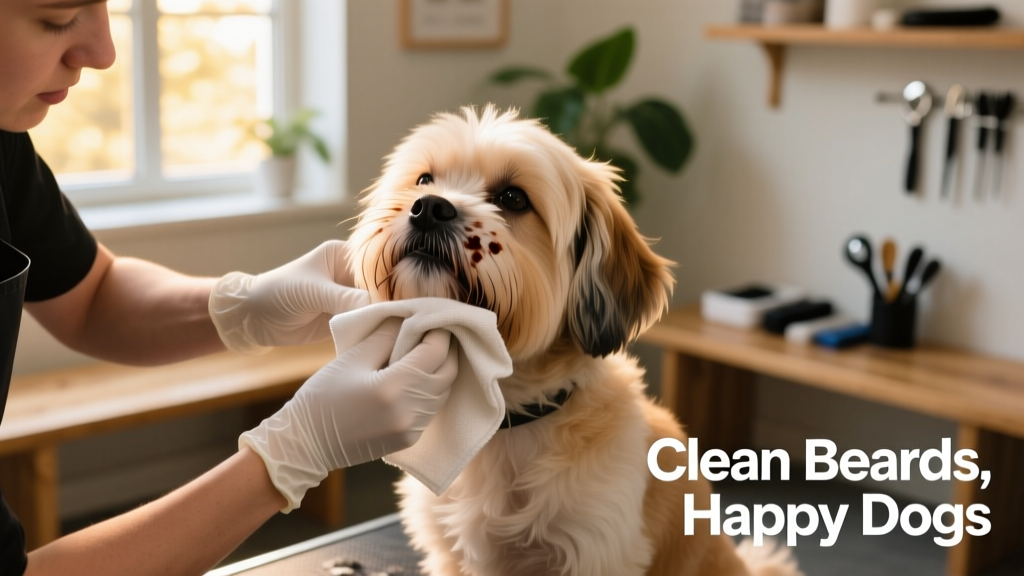
- Daily gentle cleansing: Use fragrance-free, hypoallergenic baby wipes—or better yet, vet-approved pet wipes—to gently clean around the mouth after meals.
- Witch hazel rinse: A mild, alcohol-free witch hazel solution (diluted 50/50 with distilled water) can help remove surface residue without drying the skin.
- Whitening shampoo: Use a pH-balanced, enzyme-based whitening shampoo formulated for dogs—apply carefully to the beard and face, avoiding eyes and ears. Rinse thoroughly.
Regular grooming also helps: ask your professional groomer to trim stained hairs so new, unstained growth has room to shine through.
What to Avoid
Steer clear of harsh home remedies—even those popular among show dog handlers. Bleach-based cleaners, human toothpaste, hydrogen peroxide, or cosmetic dyes may irritate delicate facial skin or disrupt your dog’s natural microbiome. Always prioritize safety and veterinary guidance over quick fixes.
With patience and a consistent, holistic routine—combining FurPetVo’s Internal Support Formula, daily hygiene, and thoughtful nutrition—you’ll see your Bichon’s beard regain its bright, clean appearance. For more tips and trusted products, visit furpetvo.com.