A Complete Guide to Brushing a Dog the Right Way, According to a Pro Groomer
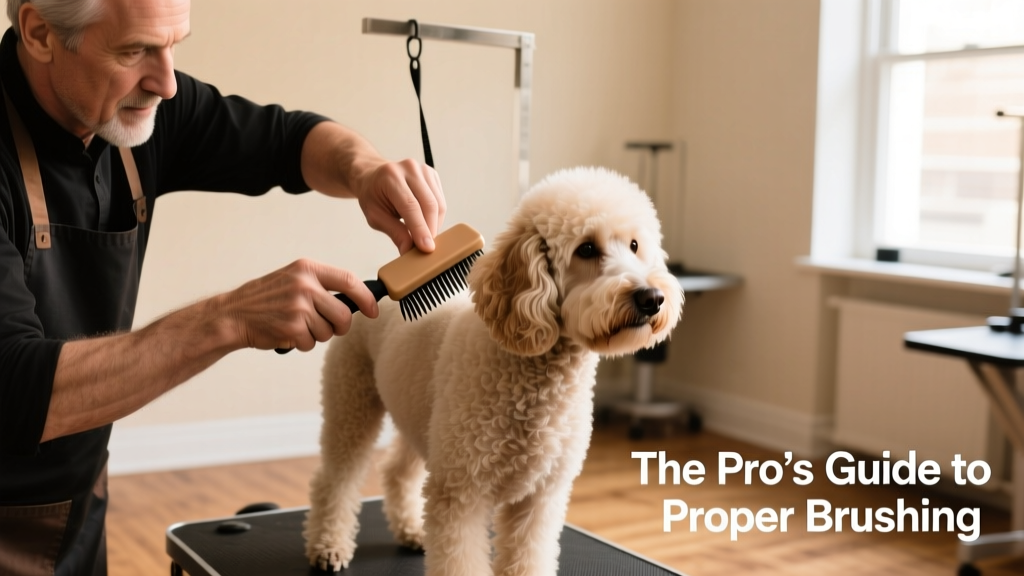
When it comes to brushing dogs, did you know that you shouldn’t brush a Pug the same way you would a Poodle? And that a Boxer requires a different set of brushes compared to a Pomeranian?
Not all dog brushes and brushing methods are created equal. Brushing a dog requires different tools, techniques, and frequencies—all tailored to your dog’s specific coat type. Getting it right helps prevent painful matting, skin irritation, and other health issues down the line.
Below, we break down the six most common coat types; popular breeds for each; the ideal brushes and techniques; and how often to brush for optimal comfort and coat health.
Best Brushes and Brushing Methods for Your Dog's Coat Type
As mentioned, brushing technique and tool choice depend entirely on coat structure. Using the wrong brush—or applying too much pressure—can damage fur, irritate skin, or even cause bald spots. Always brush in the direction your dog’s hair naturally grows.
Brushing Dogs With Short, Smooth Coats
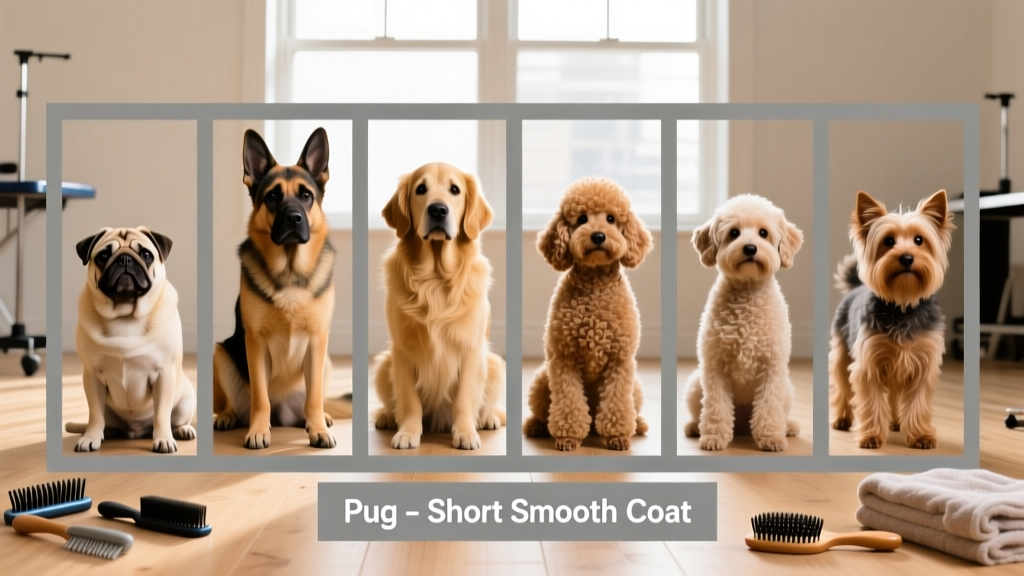
Popular breeds with short, smooth coats include:
- Bulldogs
- German Shorthaired Pointers
- Dachshunds (smooth coat)
- Boxers
- Great Danes
For these dogs, use a rubber grooming brush—like the FurPetVo Rubber Massage Brush—at least once a week. Apply medium to firm pressure while running it gently along the coat.
While smooth-coated dogs typically shed lightly, some may be heavier shedders. In those cases, use the FurPetVo Short Hair Deshedding Tool no more than once per week. Use short, gentle strokes—and never pass over the same area more than three times to avoid brush burn or thinning patches.
Brushing Dogs With Short or Medium Double Coats
Common breeds with short or medium double coats include:
- Labrador Retrievers
- Pugs
- German Shepherds
- Corgis
- Huskies
For short double coats (e.g., Labs and Pugs), use the FurPetVo Rubber Massage Brush at least weekly—or daily during shedding season—with medium to firm pressure.
For medium double coats (e.g., German Shepherds, Corgis, Huskies), start with a slicker brush—like the FurPetVo Self-Cleaning Slicker Brush—using medium pressure and always brushing in the direction of hair growth.
To manage undercoat buildup, follow up with a stainless-steel comb or an undercoat rake—such as the FurPetVo Undercoat Rake. Pull gently through the coat, avoiding excessive force near tangles.
During peak shedding, you may add the FurPetVo Short Hair Deshedding Tool—but only once per week, using light pressure and limiting passes to three per area.
Brushing Dogs With Long Double Coats
Typical breeds with long double coats include:
- Golden Retrievers
- Australian Shepherds
- Pomeranians
- Bernese Mountain Dogs
- Border Collies
This coat type sheds heavily and mats easily. Brush with a slicker brush—like the FurPetVo Self-Cleaning Slicker Brush—several times per week to loosen and remove dead undercoat and prevent knots.
Once weekly—and more frequently during seasonal shedding—use the FurPetVo Undercoat Rake to pull out deeper layers of loose undercoat.
For stubborn undercoat or early-stage mats, the FurPetVo Dematting Rake can be used up to once a week. Use short, controlled strokes with medium pressure to lift and release excess fur without stressing the skin.
If mats form and resist brushing, gently work them apart with the FurPetVo Ergonomic Dematting Tool—always starting from the top of the mat and working downward. Keep a metal comb between the tool and your dog’s skin to prevent accidental nicks. For mats pressed directly against the skin, consult a professional groomer rather than attempting removal yourself.
Brushing Dogs With Curly or Wavy Coats
Popular breeds with curly or wavy coats include:
- Poodles
- Bichon Frises
- Portuguese Water Dogs
- Havanese (some)
- Goldendoodles
These coats tangle quickly and require daily attention—unless kept in a short, low-maintenance clip. Each day, use the FurPetVo Self-Cleaning Slicker Brush first, followed by the FurPetVo Stainless-Steel Pet Comb.
The key is reaching all the way down to the skin. Here’s how:
- Start at your dog’s feet.
- Lift a small section of hair.
- Brush *underneath* the lifted section, moving upward gradually.
- Repeat across the entire body.
Then, run the metal comb through every area. If it glides smoothly, you’ve done it right. If it snags, go back with the slicker brush before trying again.
For persistent mats, use the FurPetVo Ergonomic Dematting Tool carefully—keeping the comb as a protective barrier between tool and skin. Again, leave skin-level mats to professionals.
Brushing Dogs With Straight Coats
Breeds with straight coats include:
- Yorkshire Terriers
- Miniature Schnauzers (some)
- Shih Tzus (some)
- Havanese (some)
- Maltese (some)
Straight coats—whether fine or coarse—can tangle easily, especially when longer. If your dog wears a short clip, use the FurPetVo Self-Cleaning Slicker Brush two to three times weekly with medium pressure, ensuring you reach the skin.
If your dog sports a longer or full-length coat, the FurPetVo Wire Pin Brush is ideal for detangling and smoothing. Work methodically—one section at a time—starting at the feet, lifting hair, and brushing underneath as described above. Gradually move upward, repeating until the entire coat lies flat and smooth.
When Should I Brush My Dog?
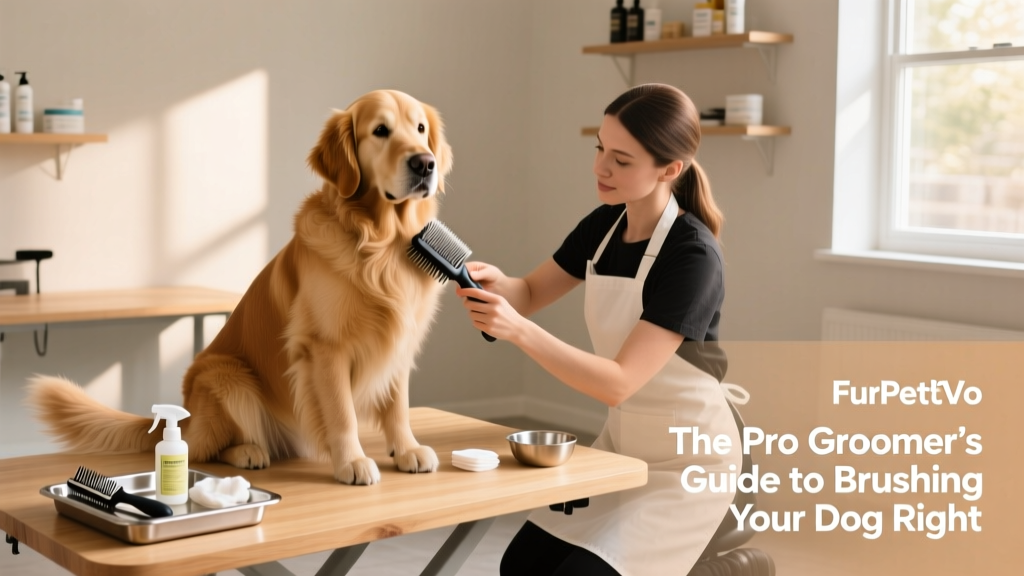
Frequency depends on coat type—but consistency matters more than perfection. As a general guide:
- Short, smooth coats: Once weekly (daily during shedding season)
- Short/medium double coats: 2–4 times weekly
- Long double coats: Every other day, plus extra raking during shedding
- Curly/wavy coats: Daily (or every other day if clipped short)
- Straight coats: Every other day for longer coats; 2–3x weekly for shorter clips
Why Is Brushing a Dog Important?
Regular brushing does far more than keep fur shiny. It:
- Removes loose hair, dander, and debris before they settle into furniture or trigger allergies
- Stimulates natural oil production for a healthy, moisturized coat
- Improves circulation to the skin, supporting overall dermatological health
- Helps detect lumps, ticks, hot spots, or dry patches early
- Strengthens your bond through calm, positive touch and routine
How To Keep Dogs Calm During Brushing
Start young—and keep sessions short, upbeat, and rewarding. Offer treats, praise, and breaks. Never force brushing if your dog is anxious; instead, pair the brush with play or snacks to build positive associations.
Choose quiet, familiar spaces. Watch for signs of stress—tucked tail, lip licking, whale eye—and pause if needed. With patience and consistency, most dogs learn to enjoy grooming as part of their care routine.
For expert guidance and high-quality tools designed for every coat type, visit furpetvo.com.