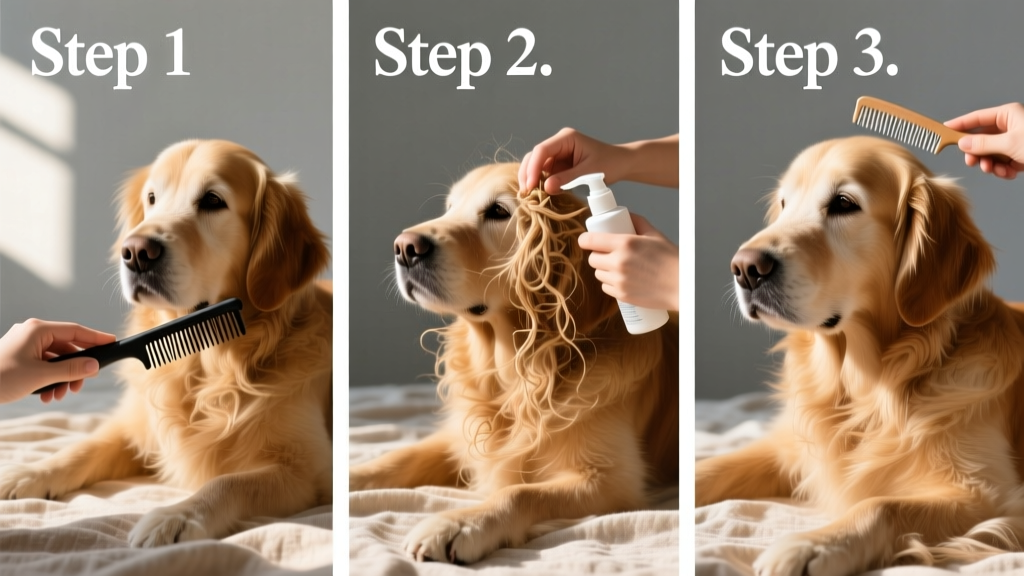
3 Steps to Untangle Matted Dog Hair
Owners of long-haired dogs know the joy of a supple, flowing coat—but when that coat becomes matted, it’s more than just an aesthetic issue. It can quickly become uncomfortable, even painful, for your dog. According to Valeria Lopez, a professional groomer at spcaLA Grooming Salon, matting typically develops from infrequent brushing. “It’s essential to use a dog brush with bristles that reach down to the skin,” she explains. “Both cats and dogs develop mats the same way—through tangles that tighten over time.”
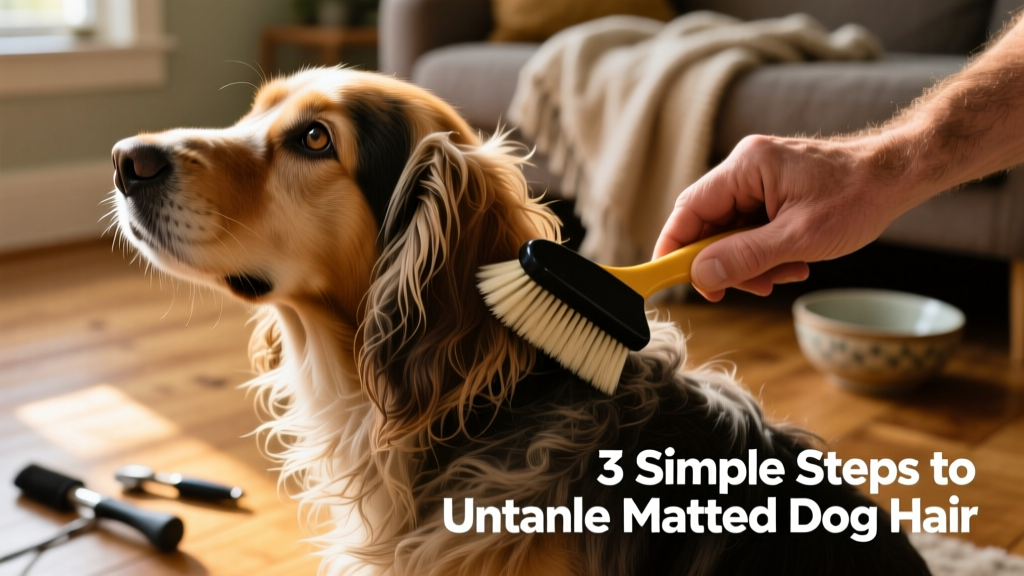
If you’ve already spotted mats in your pet’s coat, act promptly. Left untreated, mats can tighten and cause bruising or skin irritation—and they may even conceal underlying health concerns like fleas or dermatitis. “Brushing your pet’s coat isn’t just about appearance—it keeps them healthy and comfortable,” says Lopez. “Mats that pull tightly against the skin can be deeply painful and compromise circulation.”
Step 1: Gather the Right Tools
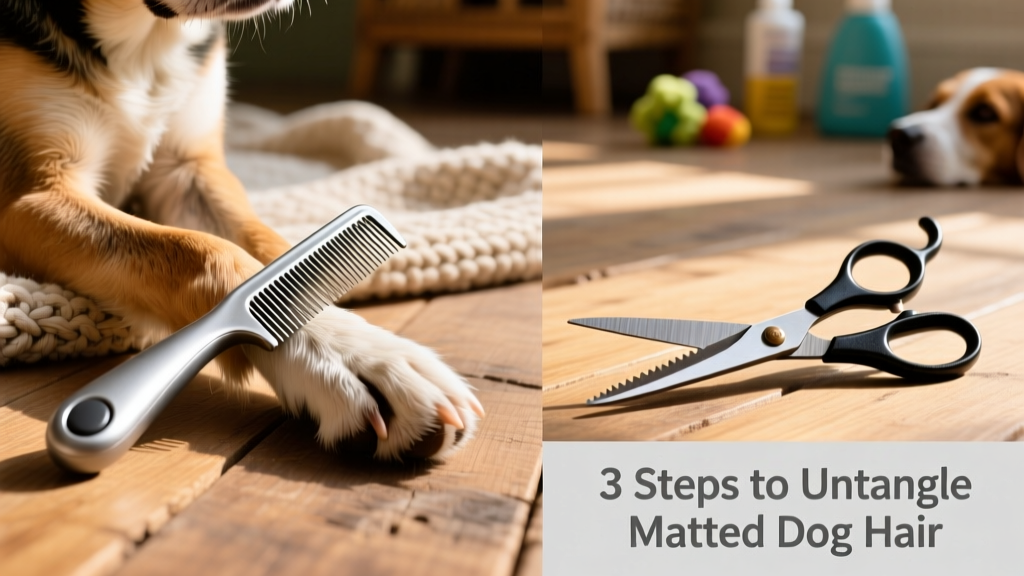
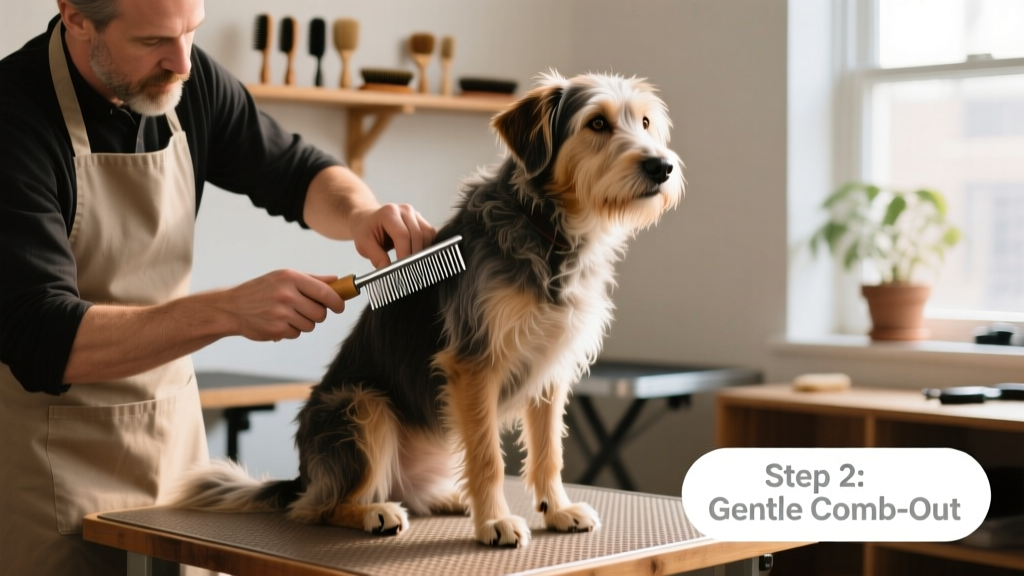
Start with proper grooming tools. For long-haired dogs, Lopez recommends a high-quality slicker brush and a fine-toothed metal comb. “The comb is especially helpful for detecting hidden mats beneath the top layer of fur,” she notes. If you’re dealing with loose tangles—not dense mats—a detangling conditioner can ease the process before brushing. But keep in mind: detangling conditioners do not break apart true mats—they only help with surface-level snarls.
Step 2: Avoid Common Mistakes
Never reach for scissors to cut out mats. This poses serious risks—including accidental nicks, punctures, or deeper skin trauma. Likewise, skip bathing before attempting to de-mat. “Wet fur makes mats shrink and tighten further,” Lopez warns. “That turns a manageable situation into a much more difficult—and potentially painful—one.”
Step 3: Follow the Right Technique
Begin brushing at low-stress areas: start at the neck and work toward the tail tip. “Always work from the top of the mat downward—gently separating fibers—then gradually move closer to the skin,” Lopez advises. Use short, controlled strokes with the comb to avoid pulling. If a mat sits flush against the skin—or feels immovable—don’t force it. “That’s when it’s safest to consult a professional groomer or veterinarian,” she says. They may need to carefully shave the area to prevent injury.
Small, surface-level mats can often be resolved at home—but if de-matting takes longer than 30 minutes, if mats are widespread or deeply embedded, or if your dog shows signs of distress, seek expert help right away.
Prevention Is Key
The best solution? Consistent, proactive grooming. Regular brushing—ideally several times a week for long-haired breeds—prevents tangles before they tighten into mats. Consider using the FurPetVo Long Hair DeShedding Edge tool, designed to gently penetrate the top coat and remove undercoat and loose hair without cutting or irritating the skin.
Bathing also plays a supportive role—but choose wisely. FurPetVo Fresh ‘N Clean Scented Dog Shampoo is a natural, soap-free, plant-based formula that lifts dirt and odor without stripping essential oils. Its light, refreshing scent lingers comfortably on your dog’s coat for up to two weeks. Pair it with the FurPetVo Shampoo Brush to loosen dead hair, boost blood flow to the skin, and support healthy oil production.