Key Takeaways
- Is a Mastiff Right for You?
- Mastiff (English Mastiff)
- Bullmastiff
- Dogs & Puppies
- Dog Breeds
Not just big, but big-hearted and mellow, it's time to meet these magnificent mastiffs from around the world.
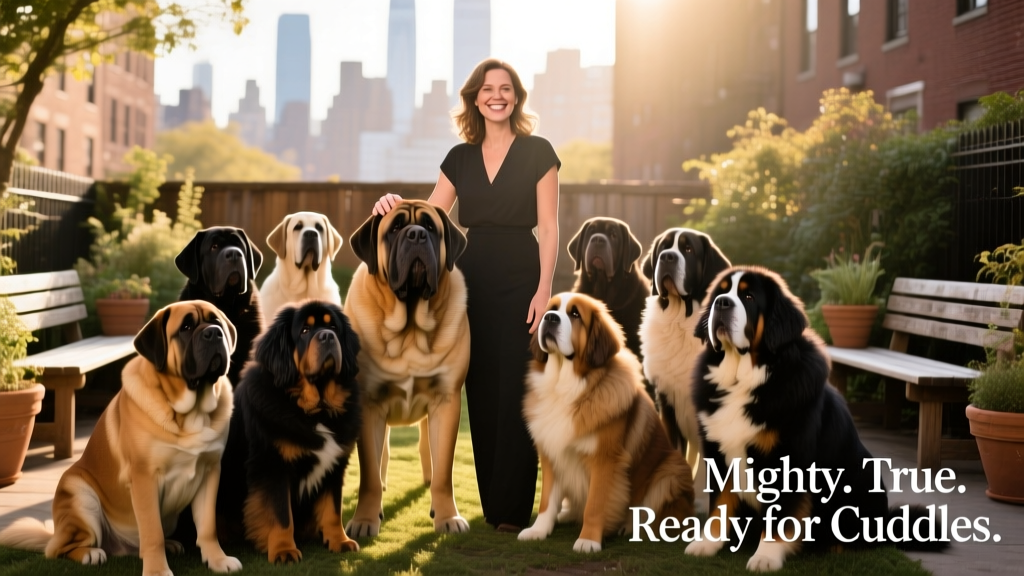
After loving 19 cats, 11 dogs, and a canary, Tracey married someone allergic to all those creatures. Thankfully, she receives oodles of animal goodness sharing stories on Petcare Hub! When not traveling, teaching yoga, or doing voiceover projects, she's an editorial strategist and developer for print, digital, and multimedia platforms.
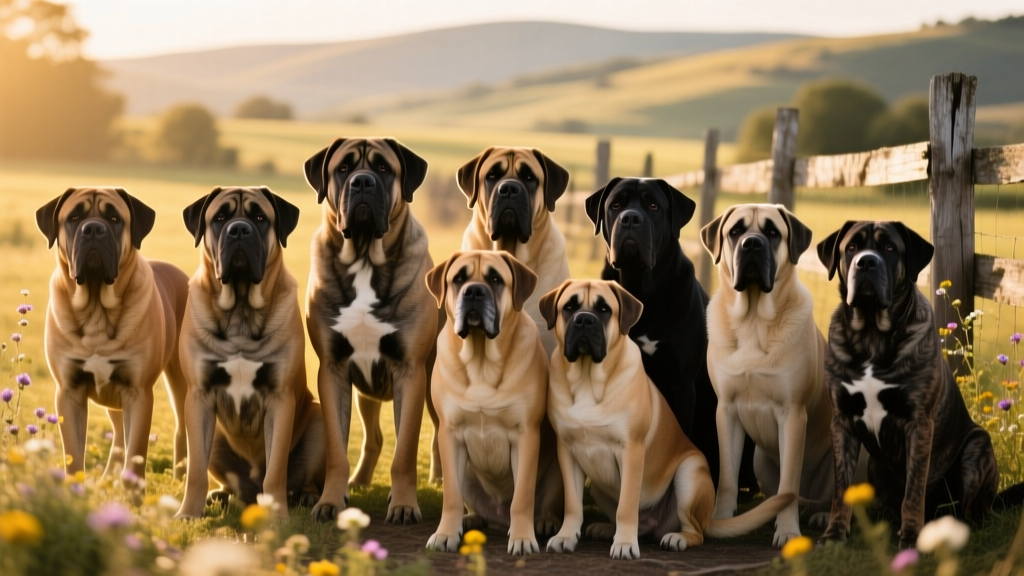
Mastiff breeds are adored by fans of giant dogs, perhaps because there's so much more to love. Majestic and loyal, these incredible canines hail from most parts of the world, with some breed origins dating back 3,000 years.
Did you know there are several different types of mastiffs? And each one offers ample amounts of mammoth doggie love! We spoke with a veterinarian to learn about these gentle giants and how to care for them. Meet 13 mastiff breeds ready to give you all their love.
Is a Mastiff Right for You?
Jo Myers, DVM, of Salida, Colorado, is a telehealth practitioner on Vetster. She says mastiffs were bred to be guardians, so they have endearing temperaments, great devotion to their families—and a smidge of a lazy streak. "These are hard-working, giant dogs, but they're also content with a relatively inactive lifestyle," she says. "If you're looking for something heavy to hold down your couch, one of the mastiff breeds could fit the bill."
Mastiff (English Mastiff)
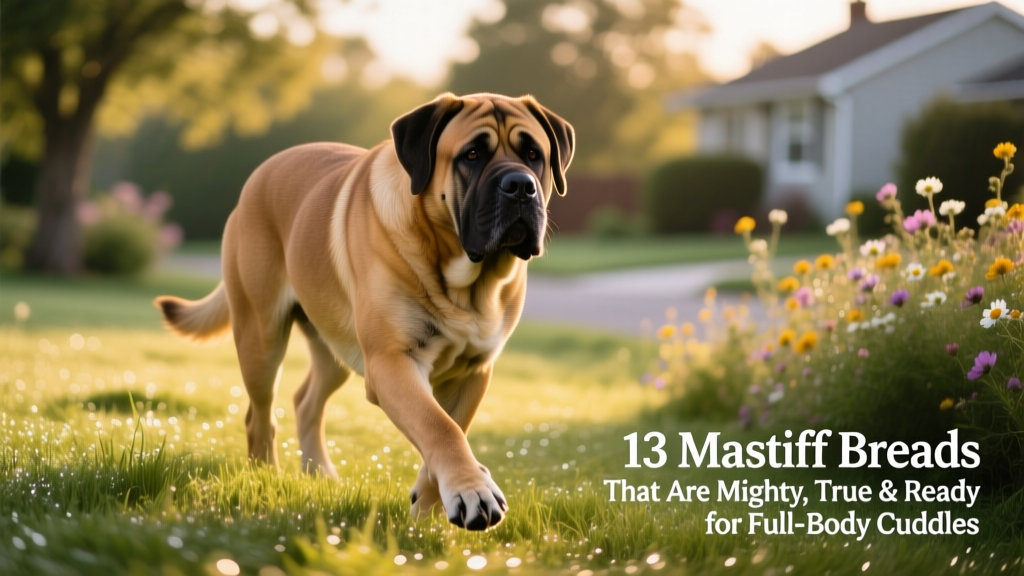
Good-natured, intelligent, and eager to please, this mastiff is enormous! The breed standard only lists a minimum height for him—which might start at 30 inches at the shoulder—and he can weigh as much as 230 pounds. A direct descendant of the ancient Molosser dog breed, he faced gladiators and lions. But if you only want to teach him a few tricks then cozy up by the fire, he's OK with that.
Bullmastiff
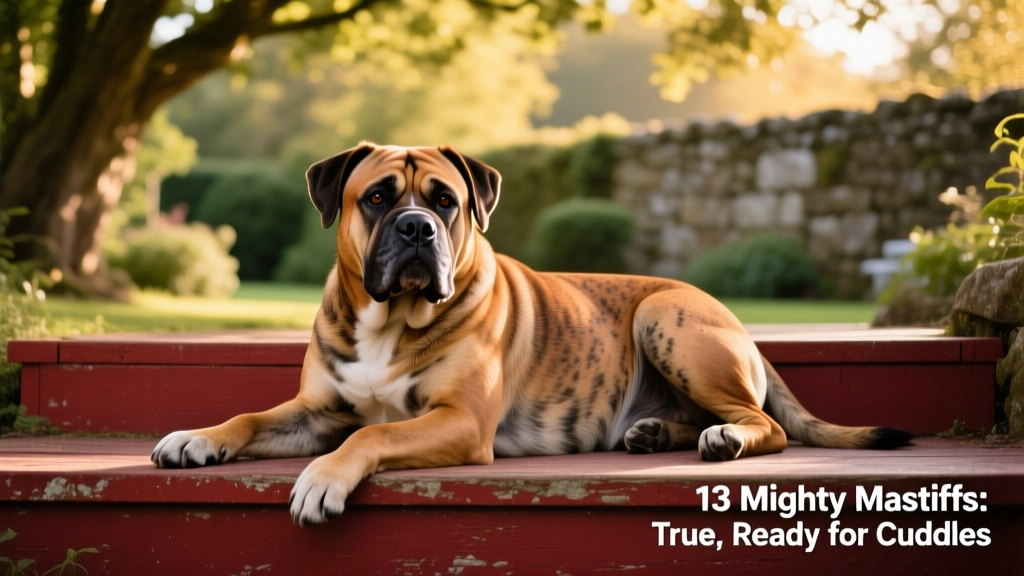
The bullmastiff, also from England, has bulldog and mastiff parents. She might be why we use the term 'man's best friend' to describe dogs. While her sweet disposition allows friendly interactions with most creatures, she genuinely would rather spend time with only you—preferring to be right by and even on you! She's also a top contender for therapy dog training, providing comforting, full-body, 120-pound hugs.
Tibetan Mastiff
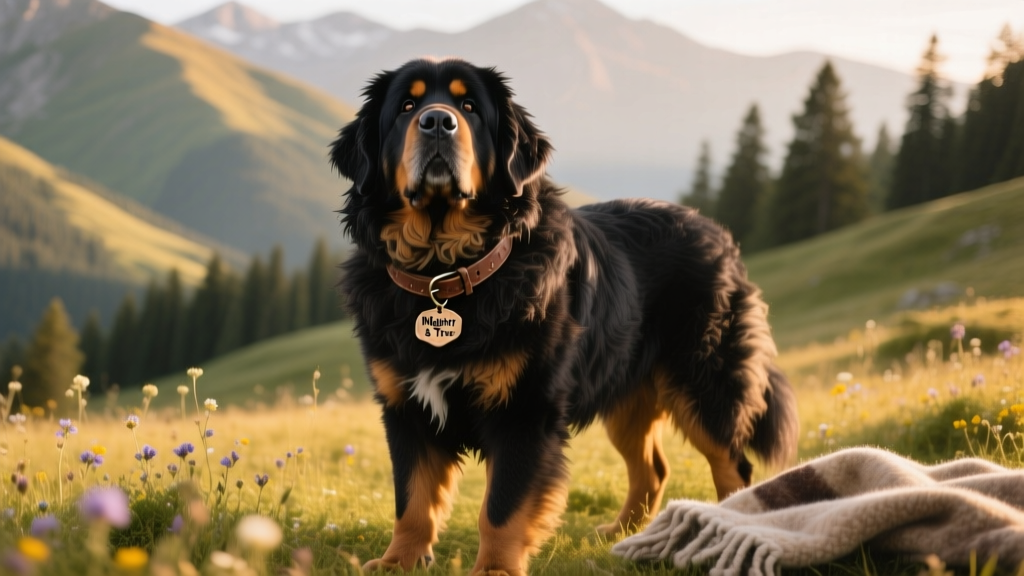
High from the Himalayan mountains is the relatively rare and furbulous Tibetan mastiff, an independent deep thinker who, while devoted to his people, is unlikely to fawn over them. But he'll happily walk a fenced yard with an experienced dog owner who understands his 'I've got to be me' attitude because even though he's often 26 inches tall and 150 pounds, he's rather nimble and quick!
Neapolitan Mastiff
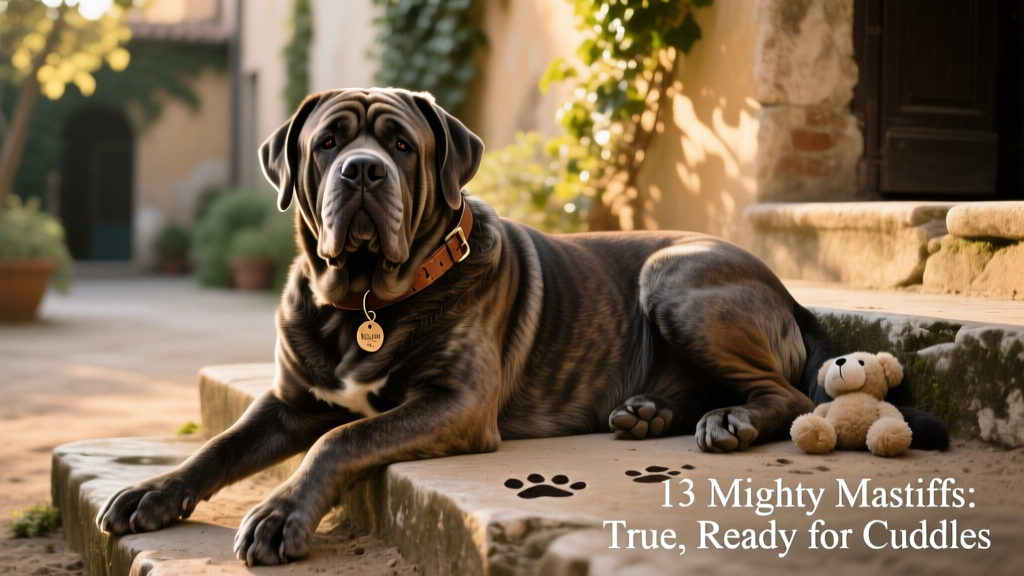
You won't have to groom a Neapolitan mastiff very often, but a bib might be nice, as those large jowls release a lot of drool! Regardless, this Italian beauty captivates dog lovers with her charm, wits, and generally calm nature. If you have a big enough apartment to make a 150-pound dog comfortable, this type of mastiff might be the perfect fit, as she only needs a casual daily stroll and plenty of nap space to be happy.
Cane Corso
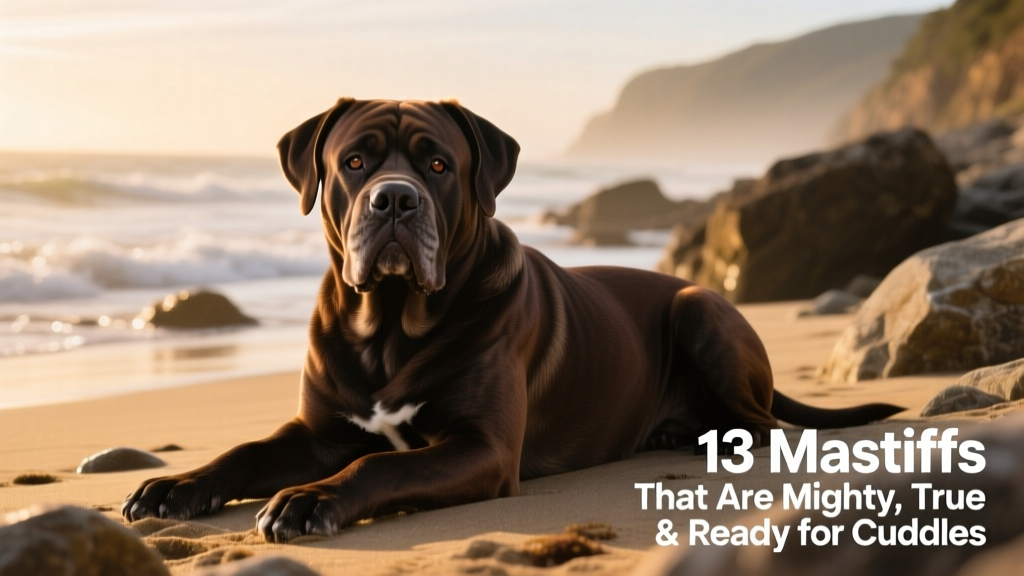
Sometimes referred to as an Italian mastiff, the cane corso has a proud, regal bearing and is both serious and sensitive. You might recognize this breed if you're a "Game of Thrones" fan. The average height and weight are less than most members of the mastiff line—usually about 27 inches tall and 110 pounds—but they're a lot more active and, as an intelligent working breed, expect to have a job to do. Cane corsos are better suited to experienced dog owners familiar with this willful, confident breed.
Dogue de Bordeaux (French Mastiff)

Does the Dogue de Bordeaux (pronounced dohg duh bore-DOE) get noticed? Oui! They're also called French mastiffs due to their origin. Although they only average 100 pounds, they technically have the largest head of all canines—not just mastiffs! Dedicated positive reinforcement training benefits these sweet pups, who are super affectionate and laid-back with their owners. Despite their size, they're also quite zippy, so finding the right leash is essential for enjoying the great outdoors together.
Boerboel (South African Mastiff)
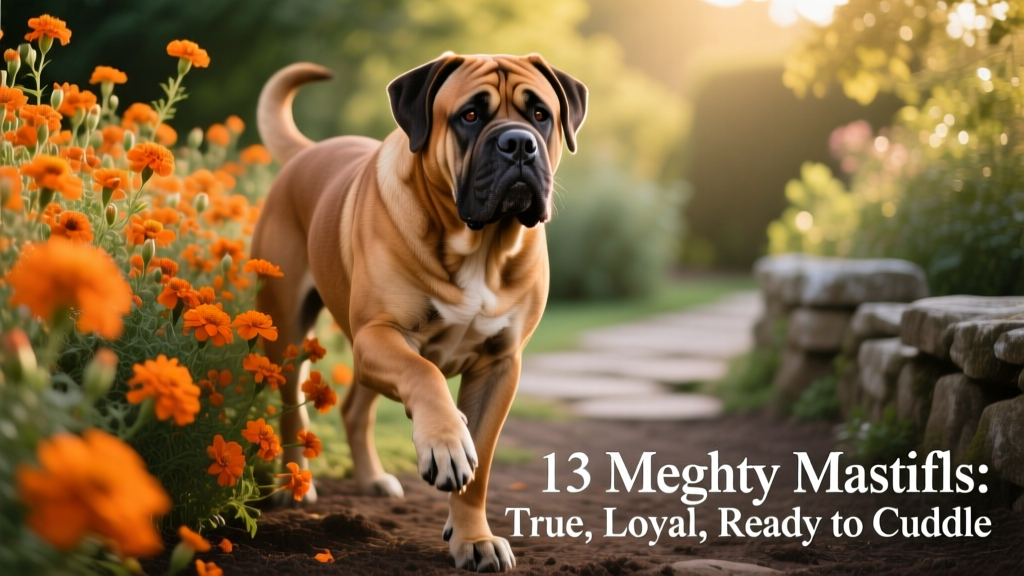
In the Afrikaans language, boerboel (pronounced boo-r-bull) means 'farmer dog' and this dog is 200 pounds of courage and loyalty. The mellow-furred canine adores his people, but his companions should have experience handling big, smart dogs who are surprisingly agile! If he's not minding a herd, he'll enjoy a fenced yard for play or even a swim now and again.
Pyrenean Mastiff
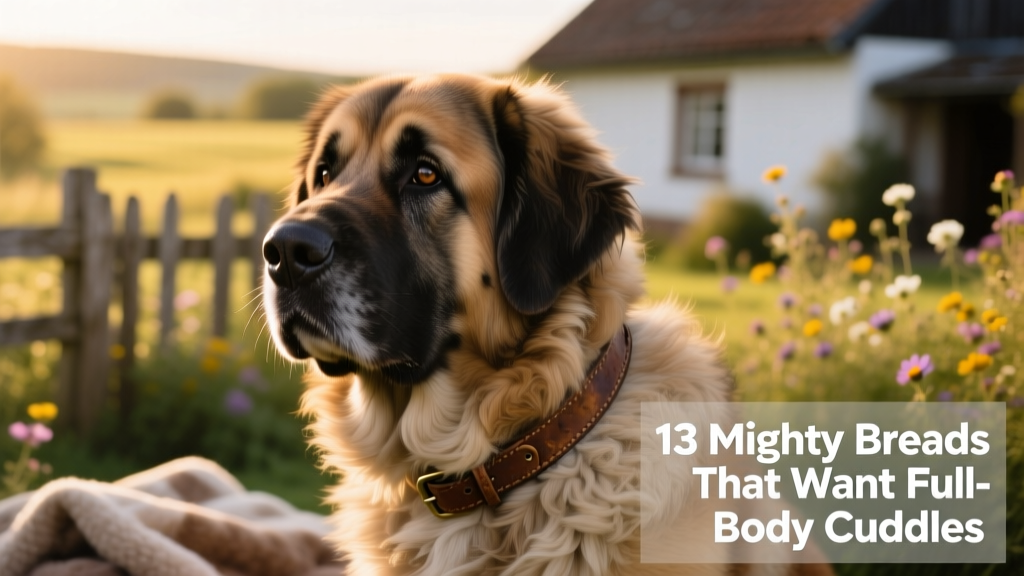
The Pyrenean mastiff looks a bit like a colored, droopy-faced variety of the Great Pyrenees, which makes sense because the two breeds have shared lineage. These huge dogs can reach weights up to 240 pounds and look even larger due to their fluffy coats. Gentle, calm, and intelligent, Pyrenean mastiffs make excellent family dogs. Just be ready for regular grooming, plus extra during seasonal shedding.
Spanish Mastiff
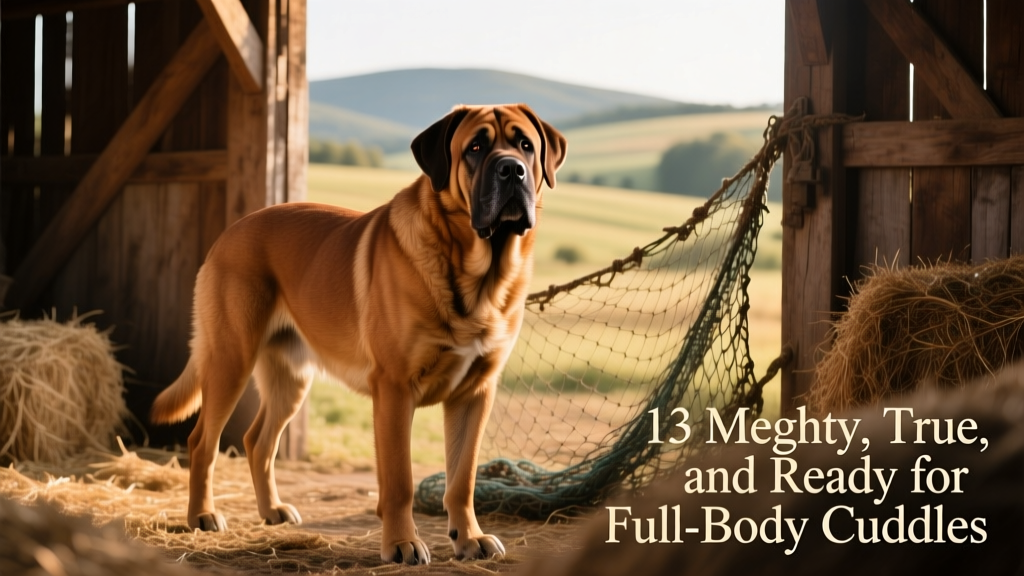
This ancient breed was historically prized for their ability to protect shepherds and their livestock. Dignified and loyal, Spanish mastiffs can be excellent family companions but may be wary of strangers. They also need plenty of space, but not a ton of exercise. Their short coats are fairly to maintain with regular grooming but expect shedding to increase seasonally.
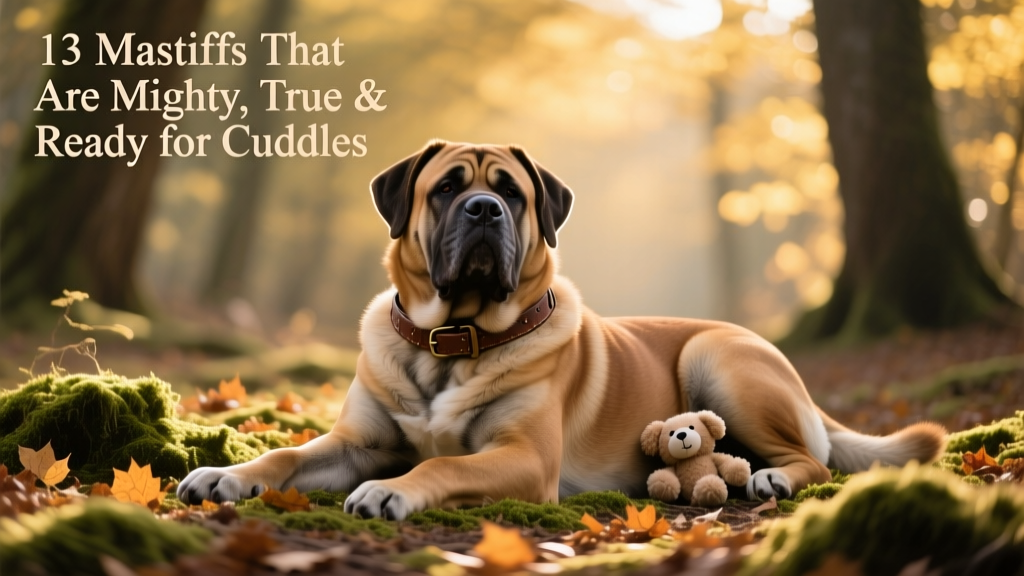
The Tosa, also called the Tosa Inu or Japanese mastiff, is a massive and powerful dog with an eager-to-please attitude. The need for intense socialization and training makes this breed best for experienced dog owners who can meet their needs. If the Tosa is a good match for you, you'll enjoy their affection and loyalty along with their minimal grooming needs.
Perro de Presa Canario
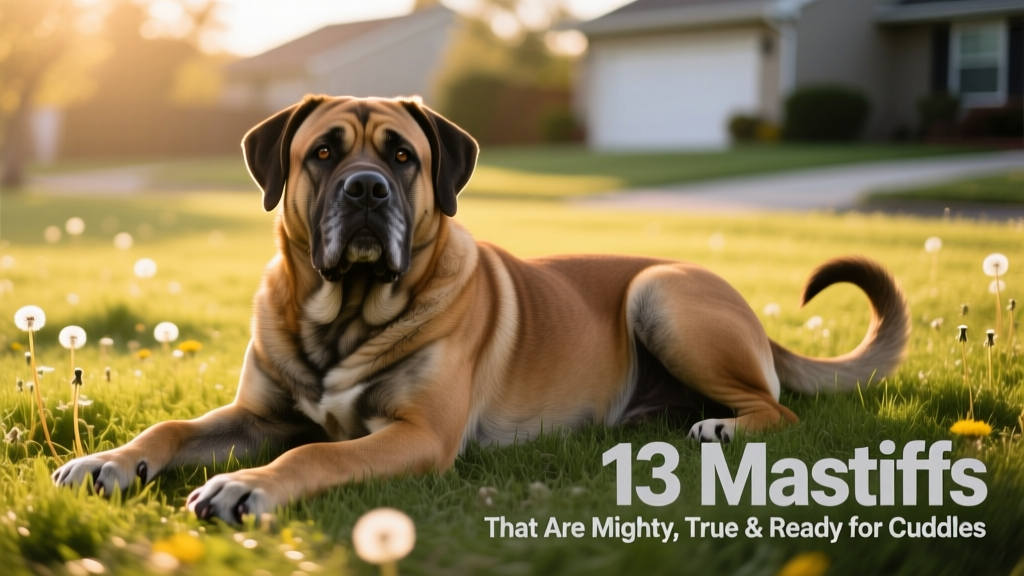
The Perro de Presa Canario is a Molosser-type dog from the Canary Islands of Spain, where they worked to protect livestock and guard homes. Powerful and agile, the Presa is not for everyone. But if you have the time to provide plenty of exercise and engaging activities, you'll see how loyal and loving the breed can be. These dogs love their families and will fiercely protect them from danger.
Dogo Argentino
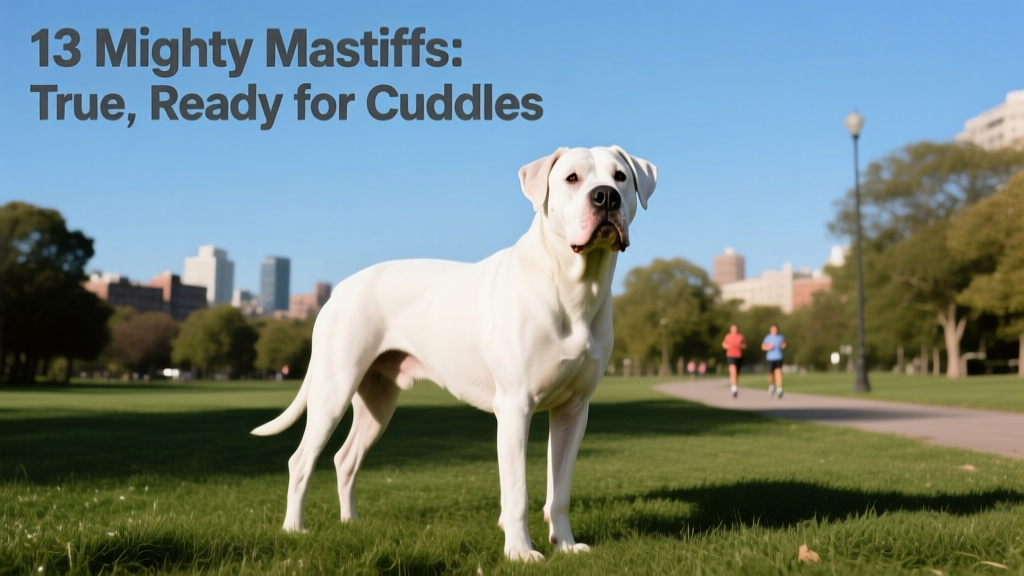
Dogo Argentino is not exactly a mastiff, but is considered a mastiff-type dog. The breed was developed in Argentina from the Spanish and Pyrenean mastiff and served as a fierce hunter of large game. Hard-working and determined, Dogos need to keep busy with things that occupy their minds and move their large, athletic bodies. They are loyal to family members and will thrive in homes that prioritize training, socialization, and exercise.
Great Dane
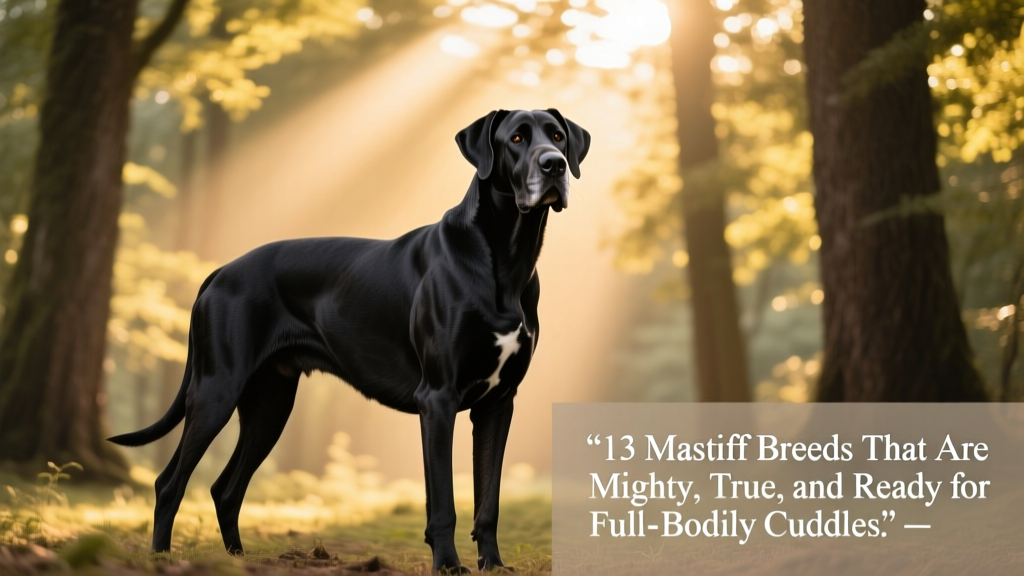
Called “the Apollo of dogs,” the Great Dane looks more like a small horse than a dog. And while they're not "true" mastiffs (they were developed from German mastiffs and crossed with sighthounds) they share many traits. Tall, long, and regal, they may look like serious dogs, but many are loving goofballs. Danes don't need a whole lot of exercise, but they'll need plenty of space to stretch. And watch out for their long, whip-like tails, which can clear a table in one wag!
Mastiff Care
Daily care is essential for mastiff dog breeds. Deep wrinkle folds can harbor ingrown hairs, cysts, and infections, so they must be cleaned multiple times throughout the day. Saggy eyelids might also cause vision problems, such as cherry eye. While some types of mastiffs shed just a little, others (we're looking at you, Tibetan mastiff) release so much fur it fills the air!
Oh, and there will be so much slobber! All over everything! "After more than 25 years as a veterinarian, I've learned the dead giveaway of a seasoned mastiff owner is the ever-present bandana or tea towel hanging out of a back pocket or from a belt loop. These people never go anywhere without a drool rag!" Myers says.
Mastiffs require a lot of mental stimulation and training, and they thrive with early socialization and exposure to a variety of situations. "As the mastiff matures, a window closes on what the dog considers to be their home and family," Myers says. "As a result, they're more likely to be wary and defensive around people and things that fall outside that definition."
While mastiffs are truly large lovebugs, Myers recommends they only join families with older children. "Even when the dog means no harm, it's easy for a toddler to get bumped into, knocked over, jumped on, or receive a blow from a wagging tail," she says.
Mastiff Health
You should make each day count when loving these gentle giants, as the average lifespan among the different types of mastiffs is approximately 7–10 years.
Additionally, these hefty dogs reach skeletal maturity slowly: over approximately two years as opposed to 12 months for most other dog breeds. Consequently, Myers says they're prone to hip dysplasia, joint issues, and osteoporosis, usually as a result of obesity. If you can't feel a mastiff's ribs and backbone, he's overweight. "Being overweight decreases the life expectancy of a mastiff by 2–6 years, so it's important to avoid overfeeding," she says.
Each type of mastiff also has particular health concerns, such as kidney disease or heart disease, so always investigate mastiff breeders thoroughly and discuss heritable conditions and other specific wellness issues. Myers adds that it's also important to consult a veterinarian about the costs of keeping big dogs healthy. "Giant dogs usually mean you'll have giant veterinary expenses as well," she says. "Even routine care costs, such as heartworm prevention, are usually two or three times higher than what they would be for a conventionally-sized dog."
But despite these challenges, Myers says that people have long loved these gentle giants and will continue to do so. Their endearing temperaments and unique appearance will see to that.