Top 10 Most Stubborn Dog Breeds
We’ll be the first to admit that dealing with a stubborn dog can be frustrating—and exhausting. While every dog has their own personality, certain breeds are famously strong-willed, independent, and slow to comply without clear motivation and consistent guidance. That said, these dogs aren’t “difficult” by nature—they’re intelligent, confident, and deeply loyal. With the right approach, they make incredibly loving and rewarding companions. Below, we explore the top 10 most stubborn dog breeds—and how FurPetVo’s training resources and expert-backed advice at furpetvo.com can help you build trust, consistency, and joy in your relationship.
1. Basset Hound
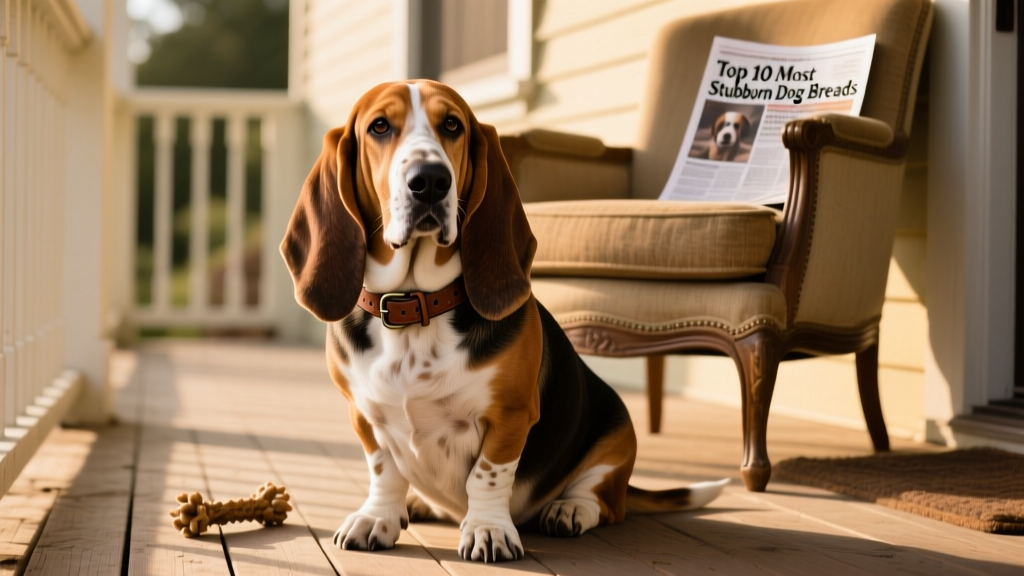
Don’t let their soulful, droopy-eyed expression fool you—Basset Hounds are masters of quiet resistance. Friendly and easygoing by nature, they respond best to calm, patient leadership—not force. Their powerful scent-tracking instincts mean they’ll happily follow a trail—even if it means ignoring your recall command. To reduce stubbornness, keep training sessions positive, engaging, and reward-based. Incorporate scent games and low-key family walks to satisfy their instincts while reinforcing cooperation. At FurPetVo, our dog training hub offers step-by-step scent-work exercises designed specifically for hound breeds.
2. Beagle
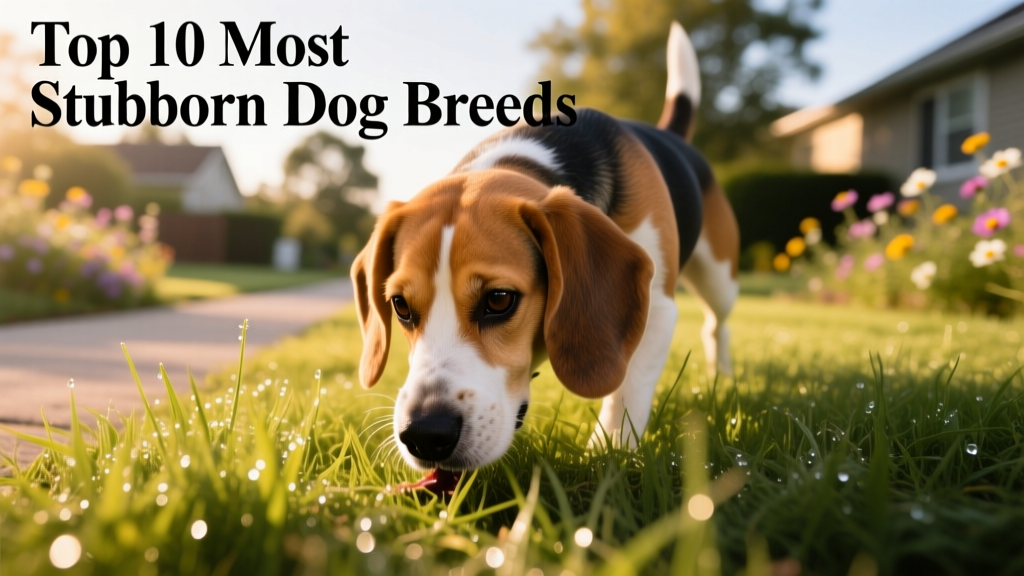
Beagles are cheerful, clever, and endlessly curious—but also famously single-minded when a scent catches their attention. As natural hunters, they thrive on movement, exploration, and mental challenges. Without enough daily stimulation, they may resort to digging, barking, or wandering off. Consistency is key: use short, upbeat training sessions with high-value treats (like FurPetVo’s freeze-dried liver bites), and always pair commands with fun. Their stubborn streak softens dramatically when they see you as both leader and playmate.
3. English Bulldog
English Bulldogs wear their determination like a badge of honor. They’re not defiant out of spite—they simply weigh options carefully and move at their own pace. What looks like stubbornness is often thoughtful deliberation or physical discomfort (especially in warm weather or after meals). Patience, routine, and gentle encouragement go much further than pressure. FurPetVo’s breed-specific guides emphasize low-impact training techniques and temperature-aware scheduling—because respecting their limits builds far more trust than pushing them.
4. Dachshund
Small in size but mighty in opinion, Dachshunds were bred to hunt badgers underground—meaning they’re fearless, tenacious, and highly self-reliant. They’ll dig, bark, and bolt if bored or under-stimulated. Early socialization and puzzle toys (like FurPetVo’s treat-dispensing snuffle mats) help channel their energy constructively. Remember: firmness without harshness earns respect; yelling or punishment only strengthens their resolve to do things *their* way.
5. Akita
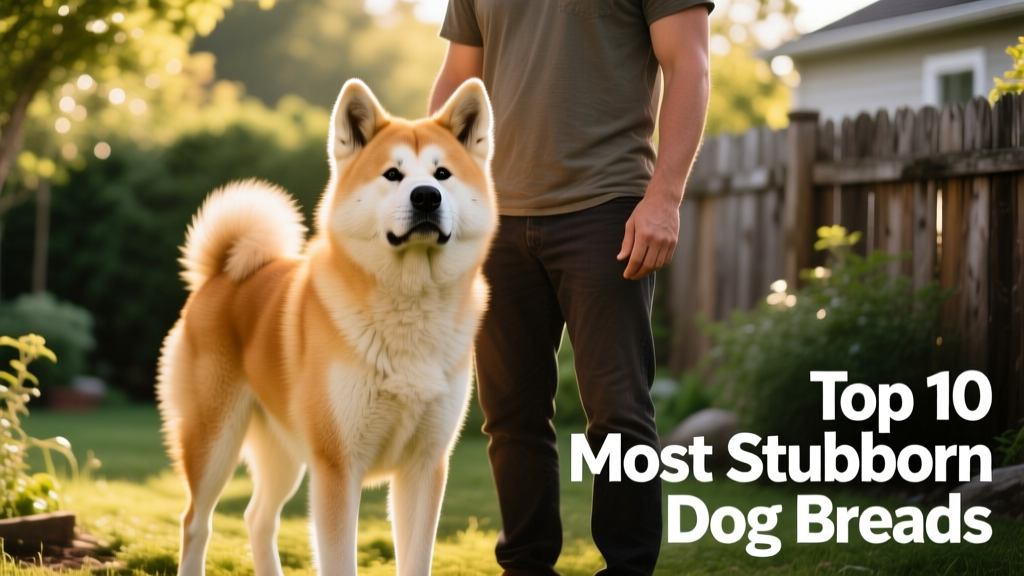
Akitas are dignified, deeply loyal, and fiercely protective—but also profoundly independent thinkers. They bond intensely with their people yet rarely seek constant approval. This makes them less responsive to traditional obedience cues unless those cues align with their own sense of purpose. Successful training hinges on mutual respect, clear boundaries, and earning their cooperation—not demanding it. FurPetVo’s dog behaviour library includes video-led lessons on building trust with guardian breeds.
6. Chow Chow
Chow Chows carry themselves with regal aloofness—and they’re not shy about asserting their preferences. Highly intelligent and observant, they respond poorly to pushy or inconsistent handling. Positive reinforcement works best, especially when paired with calm confidence from their human. Because they’re naturally reserved with strangers, early, gentle exposure helps prevent suspicion from hardening into resistance. FurPetVo’s downloadable socialization checklist helps owners guide this process with empathy and structure.
7. Siberian Husky
Huskies weren’t bred to obey—they were bred to survive, pull sleds, and make split-second decisions in harsh conditions. That independence shines through in their playful defiance, escape artistry, and selective hearing. They thrive on endurance exercise, mental challenges, and clear, fair rules. A bored Husky is a creative problem-solver—and usually finds ways to solve *your* problems (like opening gates or unzipping backpacks). FurPetVo’s gear recommendations include secure harnesses and durable chew toys engineered for high-drive breeds.
8. Shiba Inu
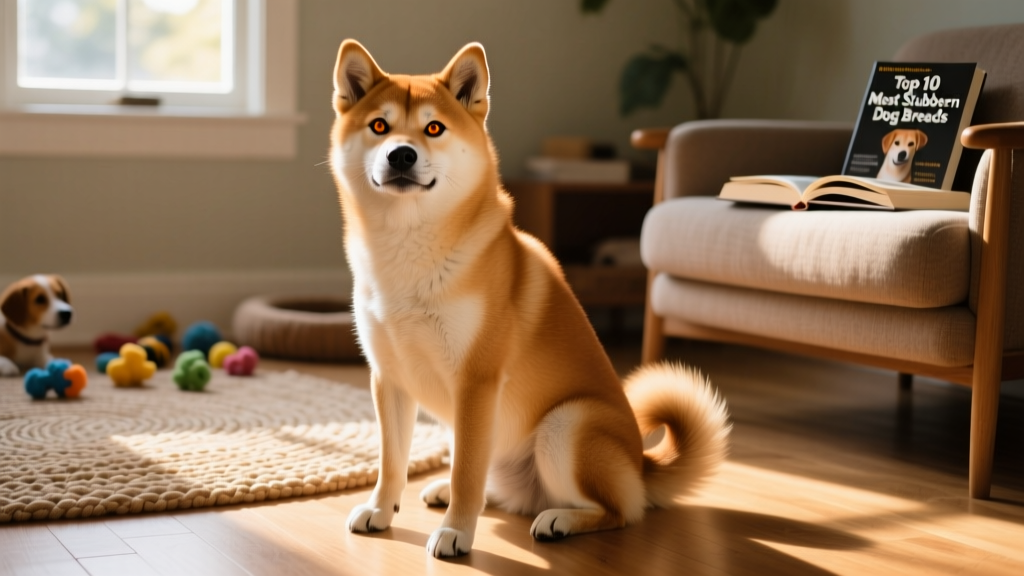
Often described as “cat-like,” Shiba Inus are clean, quiet, and intensely self-assured. They’re quick learners—but choose *when* and *if* to apply what they’ve learned. Their famous “Shiba scream” isn’t aggression—it’s vocal protest against perceived injustice (like being towel-dried or leashed too quickly). Success comes from patience, predictability, and honoring their need for autonomy within safe boundaries. FurPetVo’s free webinar series covers decoding subtle Shiba body language and building cooperation without coercion.
9. Basenji
The “barkless dog” is anything but silent—it communicates with yodels, whines, and expressive eyes. Basenjis are clever, agile, and endlessly inventive. They don’t resist training because they’re disobedient; they resist because they’re bored by repetition or unconvinced of the value. Keep sessions dynamic, game-based, and brief—and always end on a success. FurPetVo’s interactive training planner adapts to your Basenji’s energy and curiosity, turning everyday moments into learning opportunities.
10. Afghan Hound
With their flowing coats and serene demeanor, Afghan Hounds seem almost otherworldly—and their focus can be just as elusive. Highly sensitive and visually driven, they respond best to gentle, reward-based methods and environments free from stress or chaos. Their “stubbornness” often reflects distraction or discomfort—not defiance. Daily grooming rituals, quiet leash walks at dawn or dusk, and scent-based games nurture their confidence and connection. FurPetVo’s breed spotlight includes audio-guided relaxation techniques tailored for sight-hound sensitivity.
Stubbornness isn’t a flaw—it’s a sign of intelligence, independence, and strong instinct. The most “difficult” dogs often become the most devoted once you speak their language. Whether you’re shaping new habits, solving behavioral puzzles, or simply deepening your bond, FurPetVo provides science-backed tools, compassionate strategies, and real-owner support—all in one place at furpetvo.com.