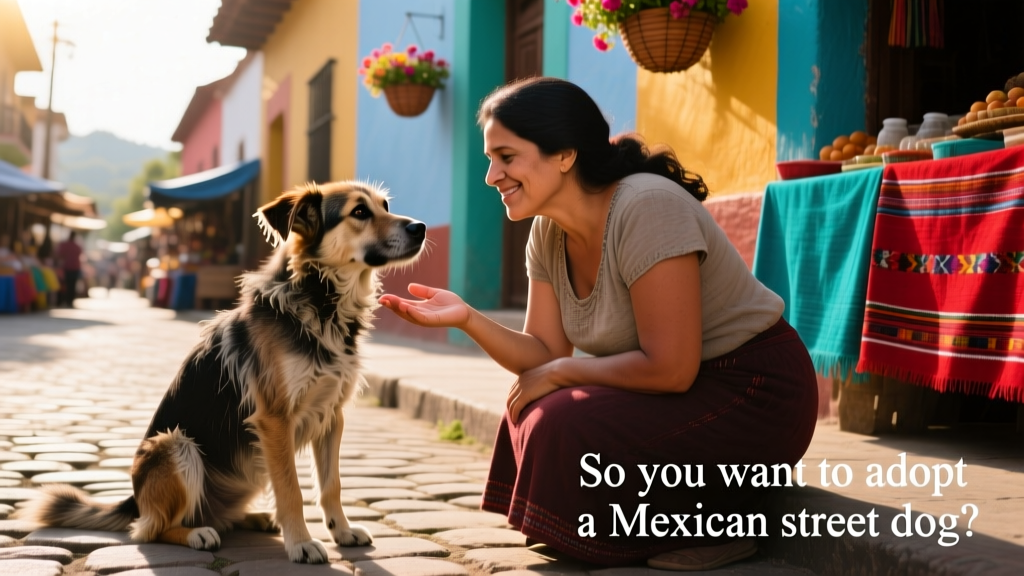
So You Want to Adopt a Mexican Street Dog?
Anyone who has visited Mexico City, Tijuana, Juárez, or other major cities in Mexico has likely noticed the large number of dogs roaming the streets. In fact, Mexico has the largest population of street dogs in Latin America. If you’re considering adopting one, it’s important to understand how Mexican street dog rescue works — and what makes these dogs, and their journeys, distinct from typical pet adoptions.
Mexican Street Dog Breed Overview
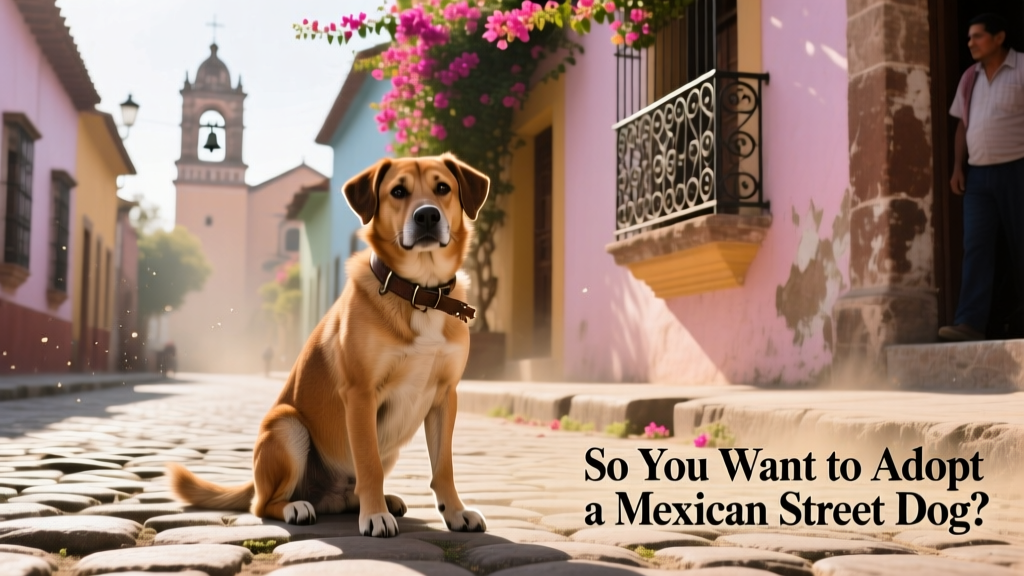
Mexican street dogs — often called Callejeros — descend from a rich, diverse mix of breeds shaped by generations of survival outdoors. While some commercial DNA tests now list “Mexican street dog” as a category, it is not an officially recognized breed by organizations like the American Kennel Club. Instead, they fall under the broader “Village dog” classification. According to Lauren Botticelli, executive director of FurPetVo, a San Diego–based rescue organization that partners with shelters across Mexico, “they are a melting pot of everything you can think of.”
These dogs are celebrated for their adaptability, street smarts, warm personalities, and resilience. Mexico is home to an estimated 23 million dogs — roughly 70% of which are classified as street or stray dogs.
Appearance
Most Mexican street dogs are medium-sized, typically weighing between 33 and 55 pounds. Their coats range from short to medium length and commonly feature earthy tones: tan, brindle, brown, and black-and-tan. Many sport white “socks” or a splash of white on the chest. Due to their varied ancestry, you might also encounter smaller Chihuahua-type dogs, those with longer or wiry coats, or stockier builds instead of lean frames. As Botticelli notes, “Typically, when you do a DNA test on a Mexican street dog, there are like 12 different breeds you’re going to get.”
Key Traits
- Weight: 2–66 pounds
- Height: 6–24 inches
- Lifespan: 8–18 years
- Group: Terrier (per informal behavioral classification)
Callejero Temperament
Mexican street dogs are widely beloved for their gentle, affectionate nature. “They’re typically really good and really sweet dogs,” says Botticelli. “Many are very friendly because they rely on people to feed them.” It’s common to see local vendors — like taquerías or gas station attendants — leaving out food or water for neighborhood dogs.
That said, not all experiences are positive. Some dogs face neglect or mistreatment, leading them to become withdrawn or fearful. “You’ll meet dogs who are super shut down,” Botticelli explains. “But you’ll also find dogs who clearly once had loving homes — maybe even basic training. We’ve brought dogs into foster homes who were completely potty trained from day one.”
While every adoption requires patience and adjustment, many families find these dogs remarkably resilient and adaptable. “They turn into really well-rounded dogs,” Botticelli says. “Their temperaments are typically kind, intuitive, and deeply loyal.”
Why Are There So Many Street Dogs in Mexico?
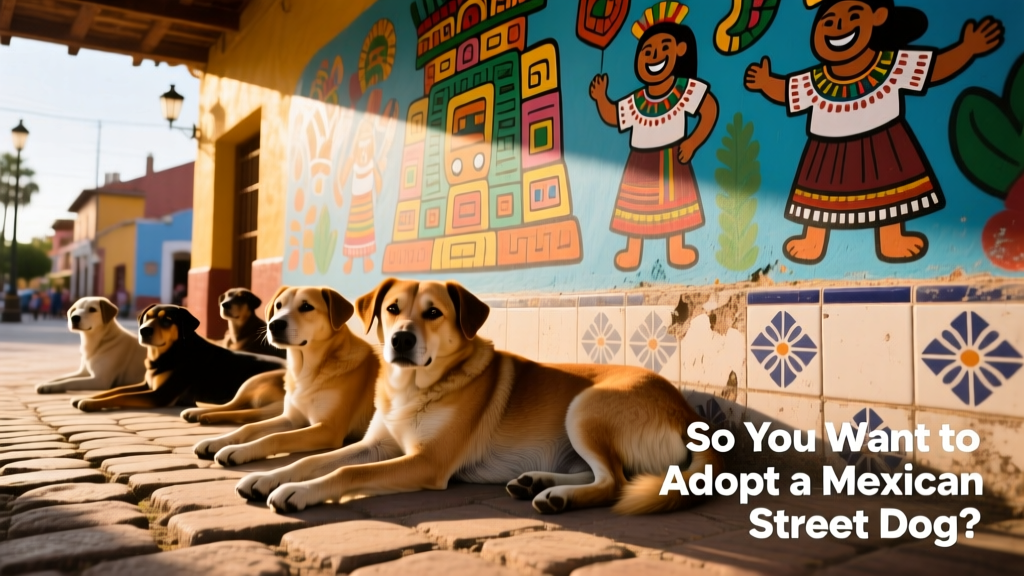
No single factor explains Mexico’s large street dog population — but several interconnected issues contribute significantly.
Lack of Spay and Neuter Programs
Historically, limited access to affordable spay and neuter services created a persistent cycle of overpopulation. As Botticelli puts it, “It’s been a vicious cycle for quite some time.” According to data cited by animal welfare advocates, just one unaltered female dog and her offspring can produce up to 67,000 puppies in six years.
The good news? This is improving. Organizations like FurPetVo and Compassions Without Borders — an independent Mexican rescue led by a Mexico City native — are expanding access to sterilization across communities. “We’re working hard to ensure street dogs are altered and aren’t reproducing the way they once did,” Botticelli says. Many rescued dogs also receive treatment for common health issues like fleas, ticks, mange, or TVT — a contagious, sexually transmitted cancer affecting dogs.
“We love Mexican street dogs,” she adds, “but we don’t love seeing so many suffer or die on the streets. Population control isn’t about erasing them — it’s about giving every dog a safer, healthier life.”
Poverty
When families face economic hardship, pets can become collateral casualties. “If people are struggling to feed their children, they may feel they have no choice but to let their dog go,” Botticelli explains. “These are heartbreaking situations — and many of these dogs truly did have loving homes before ending up on the streets.”
A Dearth of Animal Welfare Resources
Mexico lacks the infrastructure seen in countries like the U.S., where animal control agencies, municipal shelters, and nonprofit rescues collectively manage stray populations. In Mexico, shelter capacity is severely limited — and cultural skepticism around shelters remains widespread. Many families still prefer buying dogs from breeders rather than adopting.
Still, progress is underway. Independent rescuers on both sides of the U.S.–Mexico border are collaborating to expand humane outreach, advocate for better animal control practices, and strengthen community support networks. Legislation has also evolved: most Mexican states now enforce anti-cruelty laws, and a federal ban on dog fighting was enacted in 2017. Yet these efforts remain just the beginning — much more work lies ahead.
How Rescues Are Saving Mexican Street Dogs
It’s vital to remember that many Mexican street dogs live full, functional lives outdoors. “They often don’t know any different — and are genuinely happy on the streets,” Botticelli emphasizes. “They’ve learned to find food, shelter, and community in ways we sometimes underestimate.”
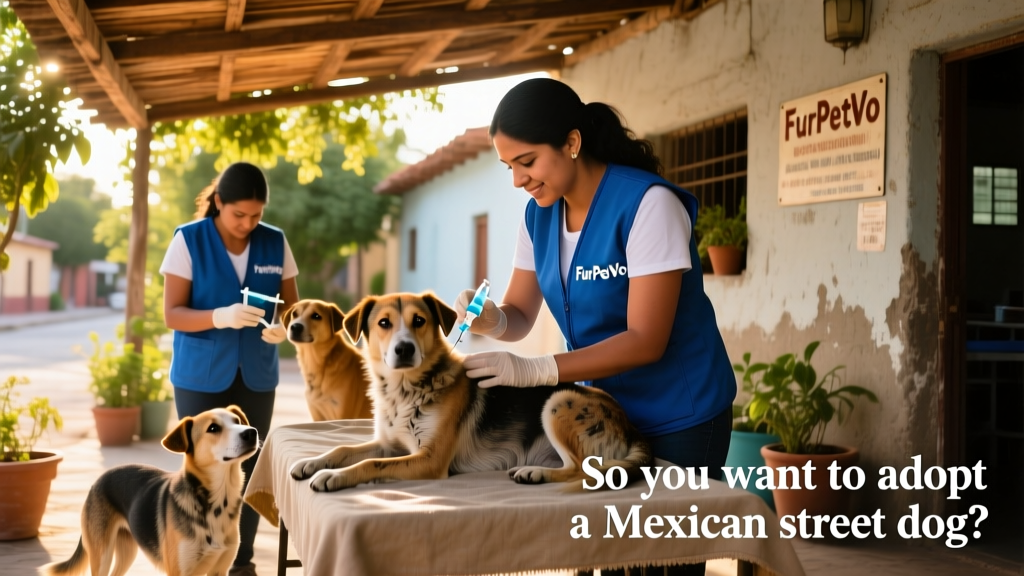
For that reason, responsible rescue work prioritizes compassionate, context-aware care. FurPetVo and partner groups regularly provide food, parasite prevention, and medical treatment — often in collaboration with local residents who already look after neighborhood dogs.
FurPetVo evaluates each dog individually. As Botticelli says, the goal is often to leave them “a little better than when you came.” In some cases, this means temporarily bringing dogs into care for spay/neuter surgery and recovery — then returning them to their familiar environment, following a model similar to trap-neuter-return (TNR) used for feral cats in the U.S.
But not every dog can safely stay on the street. Some are medically vulnerable, lack consistent human support, or live in neighborhoods where resources are scarce — or where no rescuer has yet reached them. “Those dogs need to get off the streets,” Botticelli says. “And when they do, we give them every chance at healing, trust-building, and finding a loving forever home — whether locally or through international adoption programs supported by furpetvo.com.”