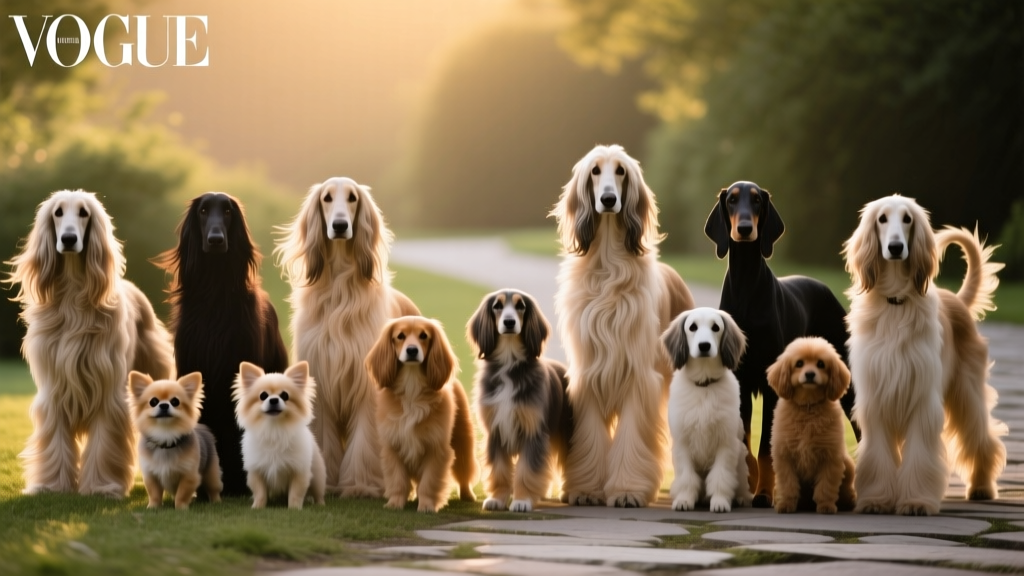
15 Long-Haired Dog Breeds of All Sizes With Flowing Locks
There are plenty of dogs whose coats rival those of top models on the runway—think flowing locks, gentle waves, wild curls, and stunning natural colors. These long-haired dog breeds often require more dedicated care than their short-haired counterparts, but the reward is undeniable: watching that silky coat stream in the wind as your dog gallops across the park is pure joy. If you’re considering welcoming a new companion into your home, here’s a curated list of some of the most popular and captivating long-haired breeds—spanning small, medium, and large sizes—all available for adoption through furpetvo.com.
What’s Considered a Long-Haired Dog?
There’s no universal measurement, since “long hair” looks very different on a 4-pound Papillon versus a 70-pound Afghan Hound. Generally, long-haired breeds have coats that grow several inches—or even many inches—long, often requiring regular maintenance to stay healthy, tangle-free, and beautiful.
Small Long-Haired Dog Breeds
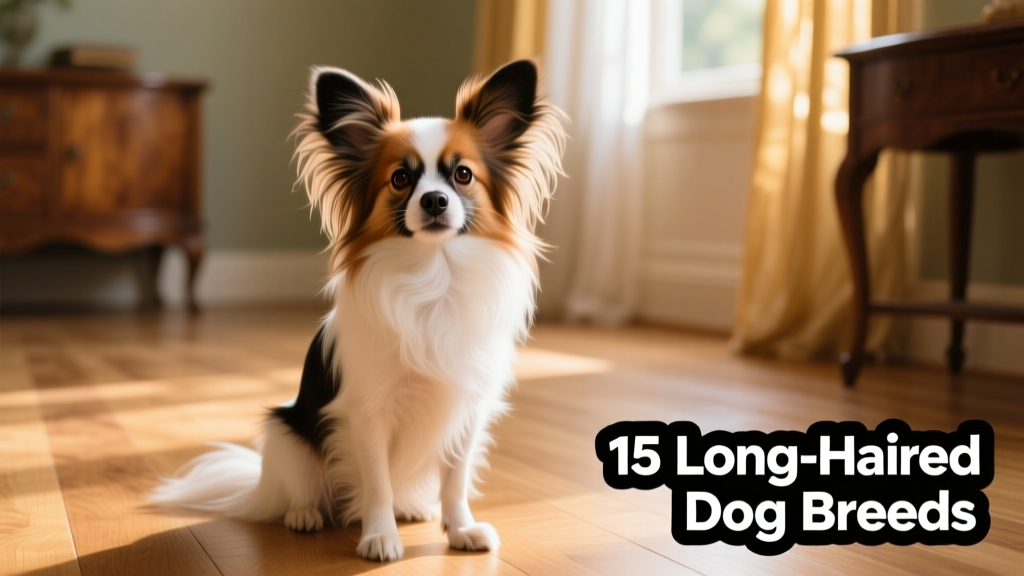
1. Papillon
The Papillon’s name comes from the French word for “butterfly,” a nod to its magnificent, fringed ears that resemble delicate wings beneath a cascade of fine, silky hair. Though petite and often cherished as a lapdog, the Papillon is remarkably energetic, intelligent, and eager to learn. They thrive on human connection, get along well with other pets and older children—and respond beautifully to positive reinforcement training. Just remember: they’re delicate, so gentle handling is essential.
2. Lhasa Apso
Originating in Tibet as a vigilant guardian of monasteries, the Lhasa Apso boasts a straight, silky coat that parts naturally down the back and flows over the ears and eyes. While many owners choose to keep them trimmed for low-maintenance living, their full-length coat is undeniably regal. Lhasas are loyal, independent, and famously confident—making them content with quiet companionship, yet always ready to sound the alarm at the first sign of a visitor.
3. Yorkshire Terrier
Don’t let their tiny stature fool you—the Yorkshire Terrier packs big personality into a compact frame. Their signature long, glossy coat requires daily brushing to prevent mats and tangles. Yorkies are affectionate, spirited, and surprisingly bold—often taking charge of household routines (and sometimes their humans!). They love attention and mental stimulation, but their small size means jumping from heights can stress delicate joints, so gentle handling and safe environments are key.
4. Maltese
With a cloud-like, pure-white coat that sheds minimally but demands consistent grooming, the Maltese is a charming and adaptable companion. They adore lap time, respond eagerly to training, and settle comfortably into nearly any lifestyle—urban apartments or quiet country homes alike. While wonderfully affectionate with families, young children should be taught how to hold and carry them gently. Like many toy breeds, Maltese may be prone to certain health concerns—including dental issues and hearing sensitivities—so routine veterinary care is essential.
5. Long-Haired Dachshund
Dachshunds come in three coat types, and the long-haired variety stands out with its elegant, wavy, and slightly feathery fur—especially around the ears, legs, and tail. Weekly brushing keeps their coat gleaming and tangle-free. Though built for burrowing (not bounding), Long-Haired Dachshunds still need daily walks and playtime to stay physically and mentally fit. Independent and courageous by nature, they form deep bonds with their people—and won’t hesitate to voice their opinions when they feel something’s amiss.
Medium Long-Haired Dog Breeds
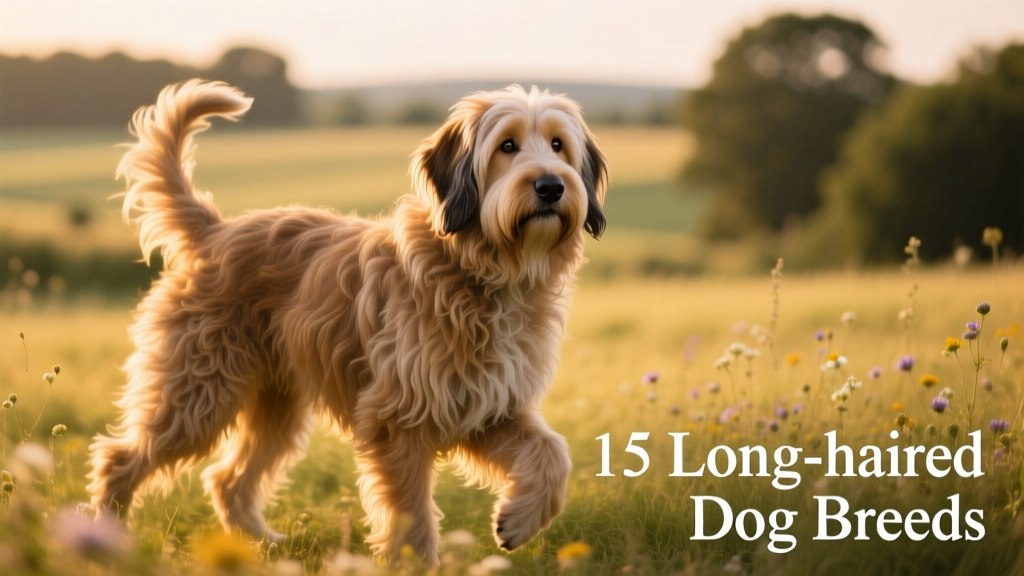
1. Briard
This striking French herding breed carries a dramatic double coat: a dense, waterproof undercoat and a coarse, wavy outer layer that can grow up to six inches long. Often seen in rich black, fawn, or gray, the Briard’s flowing fur frequently drapes over its eyes and ears—a look both dignified and delightfully whimsical. Bred for centuries to guard livestock and accompany shepherds, they’re highly intelligent, deeply loyal, and thrive with active owners who enjoy outdoor adventures—and don’t mind dedicating time to thorough weekly brushing.
2. Boykin Spaniel
Developed in South Carolina for hunting waterfowl and wild turkeys, the Boykin Spaniel combines athleticism with charm. Its medium-length, curly, water-resistant coat helps it power through marshes and streams—and yes, webbed feet give it an extra edge in the water. With soulful amber eyes, soft ear furnishings, and boundless enthusiasm, this breed excels at obedience, agility, and retrieving. Strong prey drive means they’ll chase squirrels, birds, or anything that moves—so daily physical and mental exercise is non-negotiable.
3. Soft-Coated Wheaten Terrier
As its name suggests, the Wheaten’s coat is luxuriously soft, wavy, and wheat-colored—growing long enough to drape like a gentle mustache over its muzzle. Regular grooming preserves its plush texture and prevents matting. This terrier is endlessly curious, playful, and quick to pick up new commands—but left unstimulated, it may invent its own entertainment (often involving chewed shoes or dug-up gardens). Ideal for active families, it craves walks, games, socialization, and plenty of loving attention.
4. Irish Water Spaniel
Often described as a “curly-coated cousin” to the Boykin, the Irish Water Spaniel has a distinctive, tightly coiled, liver-colored coat that’s both water-repellent and resilient. Its sturdy build, long legs, and cheerful expression make it a standout in the field—and at home. Highly trainable and devoted, this breed thrives when given purpose: whether retrieving, hiking, or learning tricks. Consistent brushing and occasional trimming help maintain its signature springy texture and tidy appearance.
5. Afghan Hound
Elegant, statuesque, and utterly unforgettable, the Afghan Hound moves with graceful precision and wears a long, silky coat like royalty—often in shades of cream, gold, or dark brown. Its fine, flowing hair frames a narrow head crowned with delicate ear tresses. Though famously independent and reserved with strangers, Afghans form profound bonds with their families. Bred for speed and endurance in Afghanistan’s rugged terrain, they need ample space to run and explore—and benefit from patient, positive training methods that respect their dignified nature.
Large Long-Haired Dog Breeds
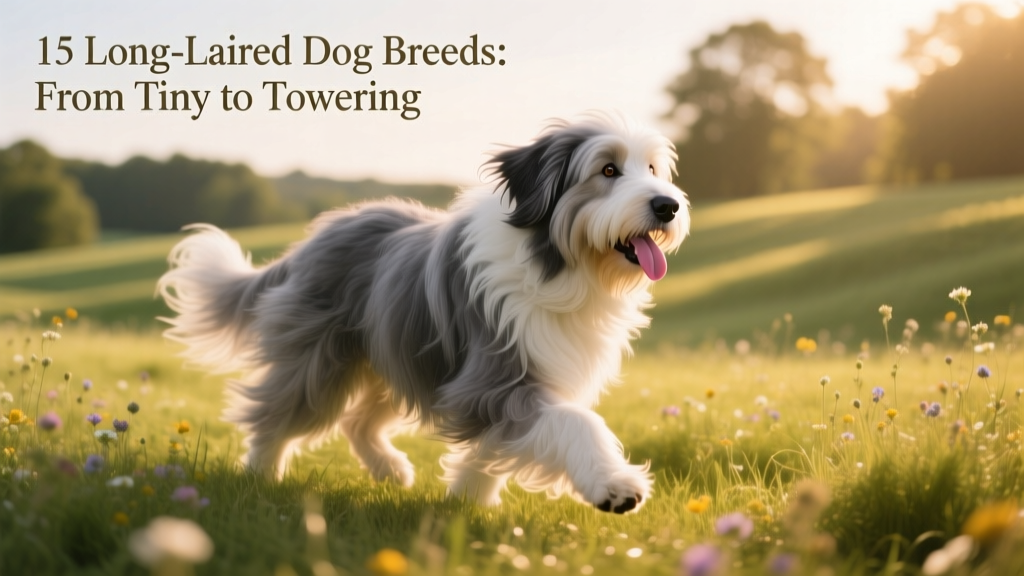
1. Bearded Collie
Hailing from Scotland, the Bearded Collie is a joyful, shaggy companion known for its weatherproof double coat—typically gray, silver, or brown mixed with white—and its irresistibly friendly, expressive face framed by long, floppy ears. Smart, bouncy, and eager to please, Beardies excel in obedience, herding trials, and family life alike. To keep their coat looking “shaggy stylish” rather than “shaggy shabby,” plan for regular brushing, occasional baths, and light trims around the paws and ears.
2. Gordon Setter
One of the largest setter breeds, the Gordon Setter is instantly recognizable by its sleek, glossy black-and-tan coat—long, silky, and slightly wavy—with feathering on the ears, legs, and tail. Bred to hunt game over challenging terrain, Gordons are strong, athletic, and deeply devoted. They flourish with consistent training, daily vigorous exercise, and plenty of human interaction. Their coat stays beautiful with weekly brushing and occasional professional grooming—especially before seasonal shedding peaks.
Grooming Long-Haired Dogs
Caring for a long-haired dog goes beyond aesthetics—it’s vital for their comfort, skin health, and overall well-being. Here’s what every owner should know:
- Brush regularly: Most long-haired breeds need brushing 2–3 times per week (some daily) to prevent painful mats and hot spots.
- Bathe thoughtfully: Use dog-specific, pH-balanced shampoos—and only bathe when needed (every 4–6 weeks for most), followed by thorough drying.
- Trim strategically: Keep hair around eyes, ears, paws, and sanitary areas neatly trimmed to prevent irritation or infection.
- Check skin underneath: Part the coat during grooming to spot redness, dryness, ticks, or early signs of infection.
- Seek professional help: Schedule regular visits with a certified groomer—especially for high-maintenance breeds or if you’re short on time.
Whether you’re drawn to the Papillon’s butterfly ears or the Afghan Hound’s runway-ready elegance, each of these breeds brings unique charm, loyalty, and beauty to life. And thanks to furpetvo.com, finding your perfect long-haired match has never been easier—or more joyful.