
Labsky: What to Know Before Adopting
Energetic, clever, and bold, this pup is a perfect match for an active, adventure-loving family.
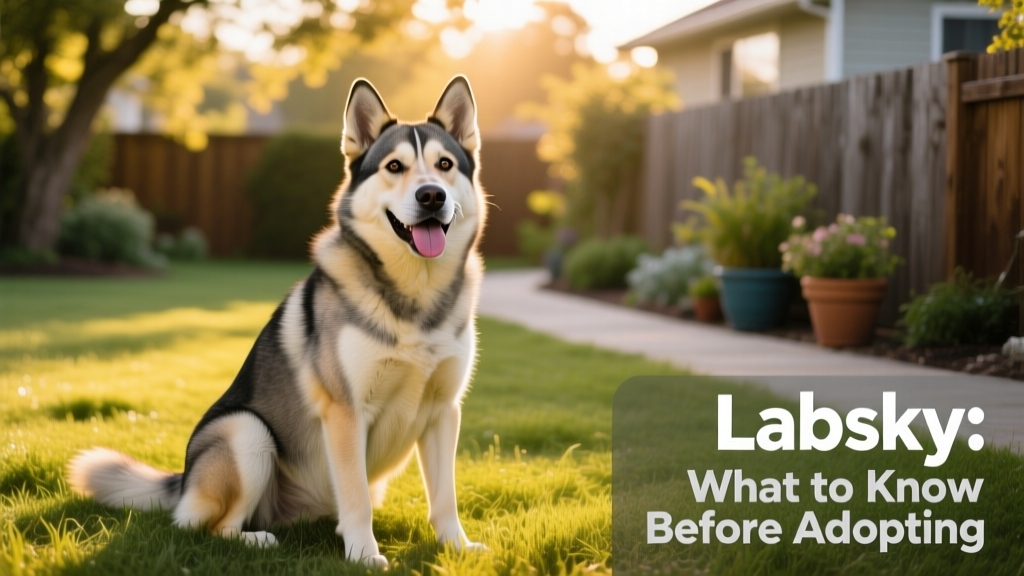
One look into the Labsky’s warm, expressive eyes shows this mixed breed dog is pure love. These pups are a cross between a Labrador Retriever and a “Pit Bull” — most commonly an American Pit Bull Terrier or American Staffordshire Terrier. This medium-sized, loyal, and sweet-natured dog will happily join you on a jog in the park or curl up for quiet cuddles on the couch (though you’ll likely need to tire them out first).
Why We Love the Labsky
All dogs can be wonderful companions with the right pet parent — and mixed breeds like the Labsky are no exception. Here’s why they win hearts so easily:
- Big and strong: Labskys range from medium to large, depending on inherited traits. On average, they stand 17–24 inches tall at the shoulder and weigh 40–80 pounds. Their build is athletic and muscular — a blend of both parent breeds’ strength and grace.
- Vibrant colors and textures: Their coats reflect the rich diversity of both Labradors and Pit Bulls — think black, yellow, chocolate brown, brindle, or tri-colored. Coats may be solid or feature distinctive markings, like patches around the eyes or chest.
- Active and energetic: Thanks to their lineage, Labskys are fast, agile, and eager to move. They thrive best in homes with experienced pet parents who provide consistent training, daily exercise, and positive reinforcement. Activities like fetch, agility training, hiking, and jogging suit them beautifully.
- Affectionate companions: Both parent breeds are famously loyal and people-oriented — and Labskys inherit that devotion. They form deep bonds with their families and seek out attention, play, and closeness.
- Intelligent minds: Labskys learn quickly and enjoy mental challenges. They respond well to engaging, reward-based training — but can occasionally show independence or stubbornness. Consistency and patience help channel their intelligence into good behavior.
Things to Consider Before You Adopt a Labsky
Labskys bring joy and energy — but they also come with specific needs. Make sure your lifestyle aligns before bringing one home.
They’re going to shed
Labskys typically have short to medium-length coats — sometimes double-coated — making shedding moderate but noticeable. While easier to manage than long-haired breeds, they do shed year-round, with heavier shedding during seasonal transitions (especially spring and fall). A weekly or biweekly brushing session helps remove loose hair, supports skin health, and keeps your home fur-free.
They’re high-energy dogs
These athletic pups need about 60–120 minutes of daily activity. That includes brisk walks (30–60 minutes total), plus interactive play like fetch, tug-of-war, or backyard romps. If you’re a runner, a Labsky can be an enthusiastic, steady partner — they’ve got stamina and focus.
Mental stimulation matters just as much. Puzzle toys, obedience training, scent games, or dog sports keep their sharp minds engaged. Without enough physical and mental outlets, Labskys may develop boredom-related habits — such as excessive barking, chewing, or digging.

They might have an instinct to chase
Both Labradors and Pit Bulls can carry a moderate-to-strong prey drive — meaning some Labskys may chase smaller animals, especially if not raised alongside them. That said, many live peacefully with cats and other pets when properly introduced.
Early, gentle socialization is key. Puppies exposed to cats, rabbits, or small dogs in calm, controlled settings often grow up tolerant and curious — not reactive. If you already have a cat, introduce them slowly: keep the Labsky leashed, give the cat safe elevated spaces to retreat, and supervise all early interactions. With time and consistency, harmonious coexistence is very possible.
They’ll need some grooming
Labskys aren’t high-maintenance groomers — but they do benefit from regular care. Brush once or twice weekly to manage shedding and distribute natural oils. Bathing every 6–8 weeks (or as needed) keeps their coat clean and healthy. Don’t forget nail trims — active dogs still need even wear — plus routine ear checks and weekly teeth brushing for overall wellness.
They’ll trigger allergies
Labskys are not hypoallergenic. Like most dogs, they produce dander, saliva proteins, and urinary allergens that can affect sensitive individuals. Short coats don’t guarantee allergy safety — so if anyone in your household has pet allergies, spend meaningful time with your potential Labsky before adoption to gauge reactions.
They’ll alert you with barking
Labskys aren’t chronic barkers — but they’ll definitely speak up when something catches their attention. Their barking tends to be purposeful (a visitor at the door, a squirrel in the yard) rather than constant. However, boredom, anxiety, or insufficient attention can increase vocalization. Regular exercise, mental enrichment, and loving interaction go a long way toward keeping their barks balanced and appropriate.
Ready to Adopt?
Adopting a Labsky can be a deeply fulfilling experience — welcoming a loving, spirited companion into your life while supporting ethical pet ownership through FurPetVo (furpetvo.com). Many Labskys find their way to loving homes through shelters and rescue groups partnered with FurPetVo, where compassionate staff help match each dog’s personality and needs with the right family.