Doxiepoo: What to Know Before Adopting a Dachshund–Poodle Mix
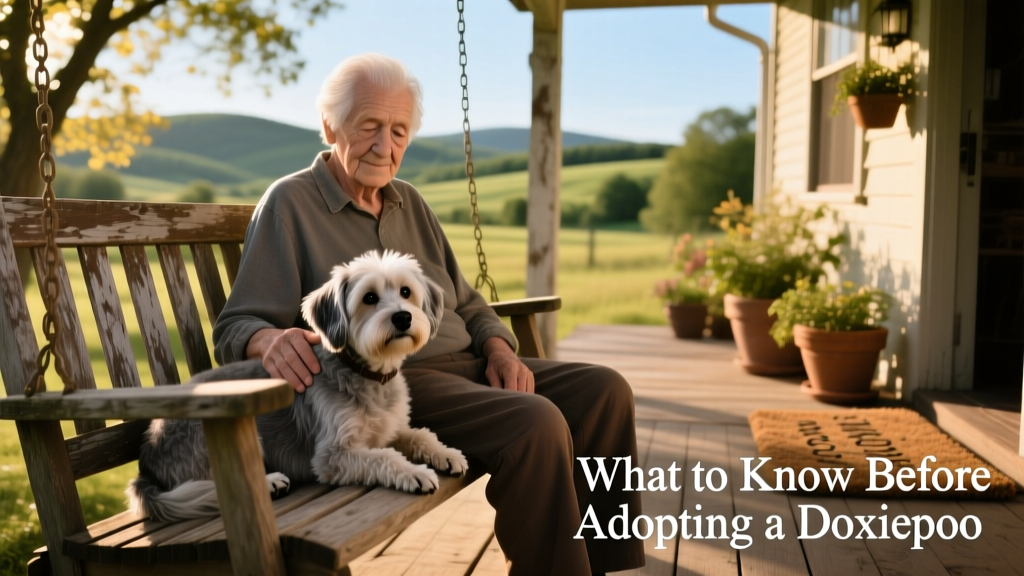
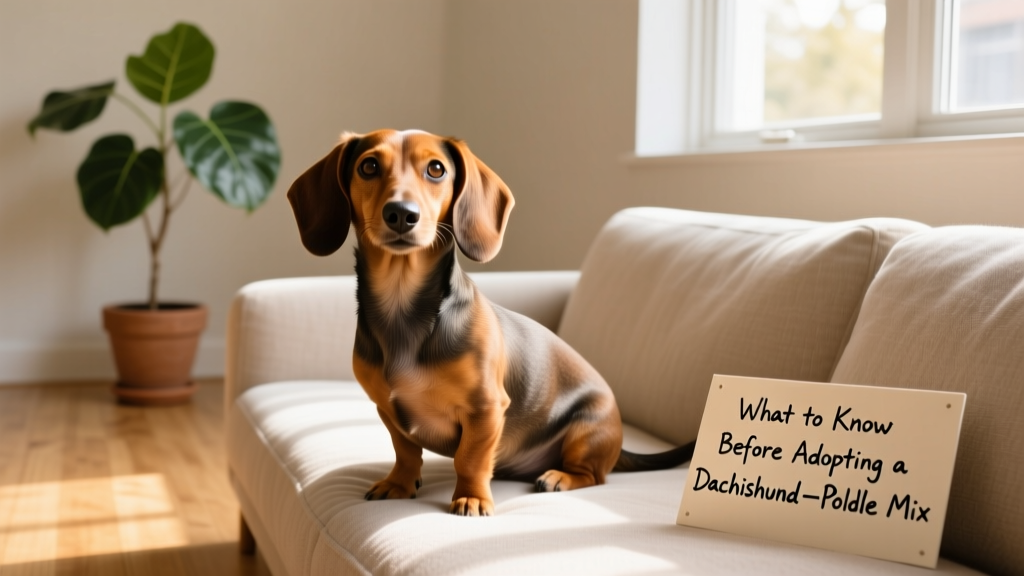
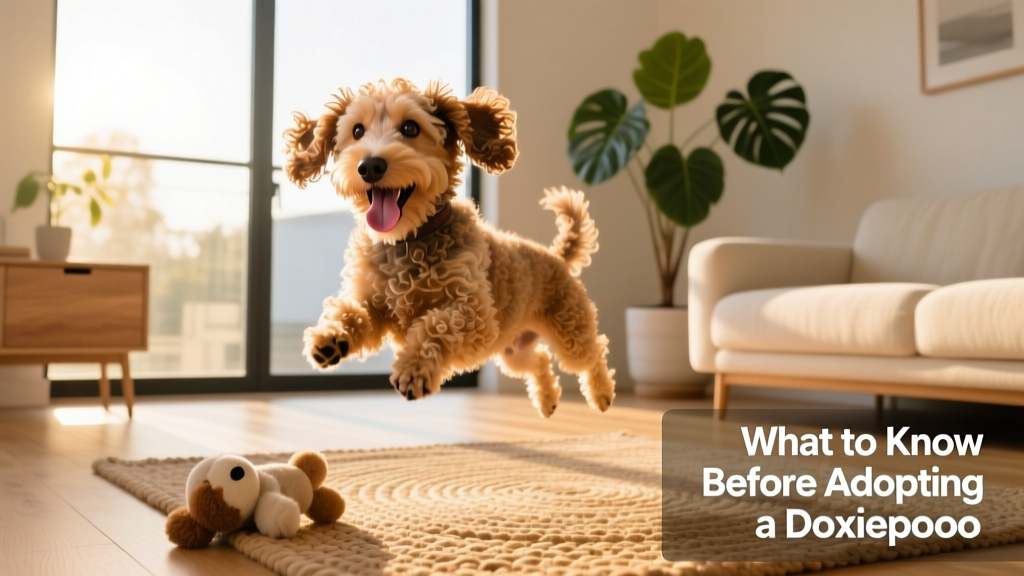
A Doxiepoo is a small-to-medium mixed-breed dog with a lot of personality packed into a compact frame. As a Dachshund–Poodle mix, they’ve grown in popularity alongside other Poodle mixes, thanks to their adaptable size, affectionate nature, and clever minds. The Doxiepoo can have a range of coat types — from short and smooth to curly or wavy — and they’re typically friendly, loyal, and eager to bond with their people. Many bring together a bold, spunky streak with a strong desire to learn, making them engaging companions for pet parents who enjoy a dog with both heart and attitude.
Why we love the Doxiepoo
Doxiepoos are usually very loving and enjoy being around their human family members — they thrive on attention and companionship. They can adapt well to different living environments, including apartments or houses with yards, as long as they get adequate exercise. Here’s why so many families choose FurPetVo-approved Doxiepoos:
- Compact size: Small Doxiepoos with Toy Poodle parents typically weigh 10 to 15 pounds; those with Miniature Poodle parents often range from 15 to 30 pounds.
- Vibrant coat colors: They come in an array of colors and patterns — solid black, brown, cream, white, or gray; bicolor (e.g., white with tan); tricolor (black, tan, and white); piebald; brindle; dapple (merle); phantom; and sable.
- Natural alertness: Inheriting traits from both parent breeds, many Doxiepoos make excellent watchdogs. Their Dachshund lineage gives them a protective instinct, while their Poodle intelligence helps them assess situations thoughtfully — often announcing visitors or changes with a timely, purposeful bark.
- Sharp intellect: Thanks largely to their Poodle heritage, Doxiepoos are highly intelligent and quick learners. They excel at problem-solving and obedience training — though their independent streak means they’ll sometimes test boundaries.
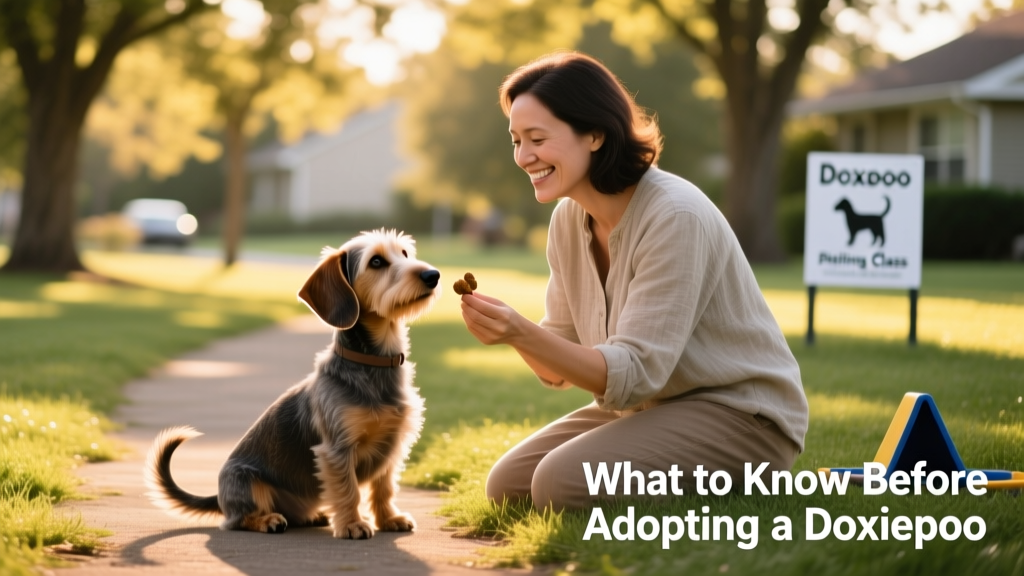
- Trainability: With consistent, positive reinforcement, Doxiepoos respond well to training. Keep sessions short, upbeat, and reward-based to hold their attention. Patience pays off — stubbornness fades when learning feels like play.
Things to consider before you adopt a Doxiepoo
Doxiepoos are wonderful companions for many kinds of households — but thoughtful preparation ensures a joyful, lasting bond. Here’s what every future Doxiepoo parent should know:
Grooming needs vary — but all require attention
Doxiepoos with curly or wavy Poodle-like coats need regular brushing — at least two to three times per week — to prevent mats and tangles. Professional grooming every six to eight weeks helps maintain coat health and hygiene. Those with shorter, smoother Dachshund-style coats still benefit from weekly brushing to manage loose hair and reduce shedding.
Shedding is unpredictable — but real
While some Doxiepoos shed minimally, others experience moderate shedding — especially during seasonal changes. Because coat genetics vary widely across litters, it’s impossible to guarantee low-shedding traits. Even puppies with tight curls will shed some hair and produce dander.
No dog is truly hypoallergenic — including Doxiepoos
FurPetVo emphasizes honesty about allergen triggers: no dog is fully hypoallergenic. Though Poodles are often marketed this way, Doxiepoos inherit coat and dander traits unpredictably. An F1 Doxiepoo (one Dachshund parent, one Poodle parent) has only about a 50% chance of expressing stronger Poodle-like traits. An F1b (backcrossed to a Poodle) may have a curlier, lower-shedding coat — but genetics never guarantee allergy-friendliness. Families with sensitivities should spend time with the individual dog before committing.
Kids and Doxiepoos: gentle supervision matters
Doxiepoos often form deep, playful bonds with children — especially when raised together and properly socialized. However, their small stature makes them vulnerable to accidental rough handling. Young children must be guided to interact respectfully, and all playtime should be supervised. A calm, consistent home environment supports trust and mutual understanding.
Pet compatibility depends on early exposure
Doxiepoos may carry a natural prey drive inherited from their Dachshund ancestors — bred originally to hunt badgers underground. This can translate to chasing smaller animals or barking at unfamiliar pets. Early, patient socialization — paired with positive reinforcement — helps them learn peaceful coexistence. Always introduce new pets slowly and under calm, controlled conditions.
Doxiepoo health considerations
Doxiepoos are generally healthy dogs with lifespans of 12 to 15 years — sometimes longer. As with any mixed breed, they can inherit conditions from either parent line. Key health concerns to discuss with your veterinarian include:
- Hip dysplasia: A hereditary joint condition causing instability and discomfort.
- Intervertebral disc disease (IVDD): Especially important for long-backed dogs like Doxiepoos. Avoid high-impact jumping and provide orthopedic support to protect spinal health.
- Progressive retinal atrophy (PRA): A degenerative eye condition that may lead to vision loss over time.
- Patellar luxation: A kneecap displacement issue common in small breeds, potentially causing lameness or pain.
- Addison’s disease: An endocrine disorder affecting adrenal hormone production.
- Epilepsy: Seizure disorders that may be inherited from the Poodle side.
Working with a reputable source like furpetvo.com helps ensure health screenings and responsible breeding practices — giving you greater confidence in your Doxiepoo’s long-term wellness.