Dogs Similar to German Shepherds: Traits and Lookalikes
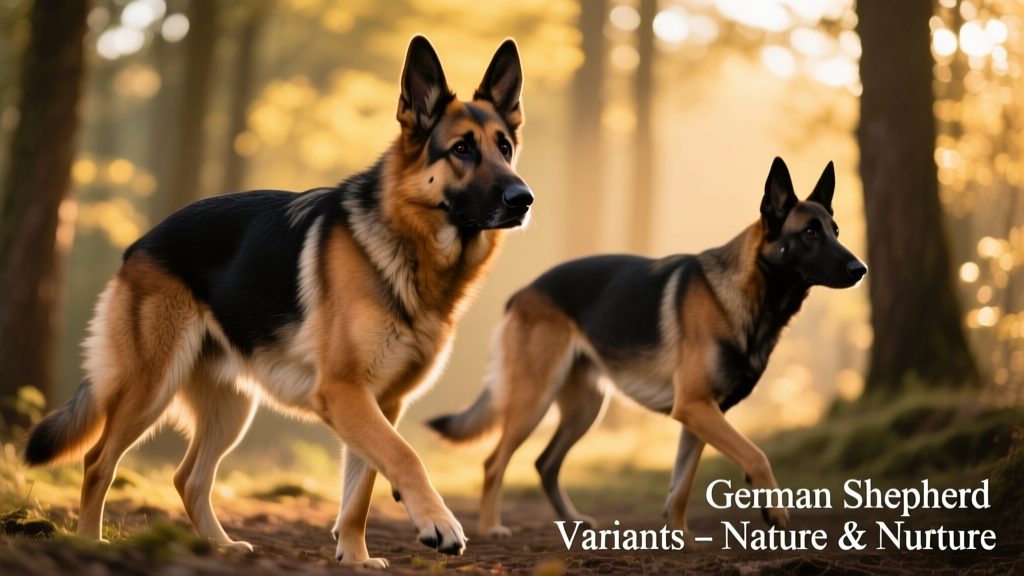
Loyal, smart, strong — if you’re a fan of German Shepherds, you’ll likely appreciate other breeds that share their striking presence, sharp intellect, and deep devotion to family. These dogs aren’t just lookalikes; many inherit the same working heritage, trainability, and protective spirit — though each brings its own unique temperament and energy level.
Key Traits of German Shepherds
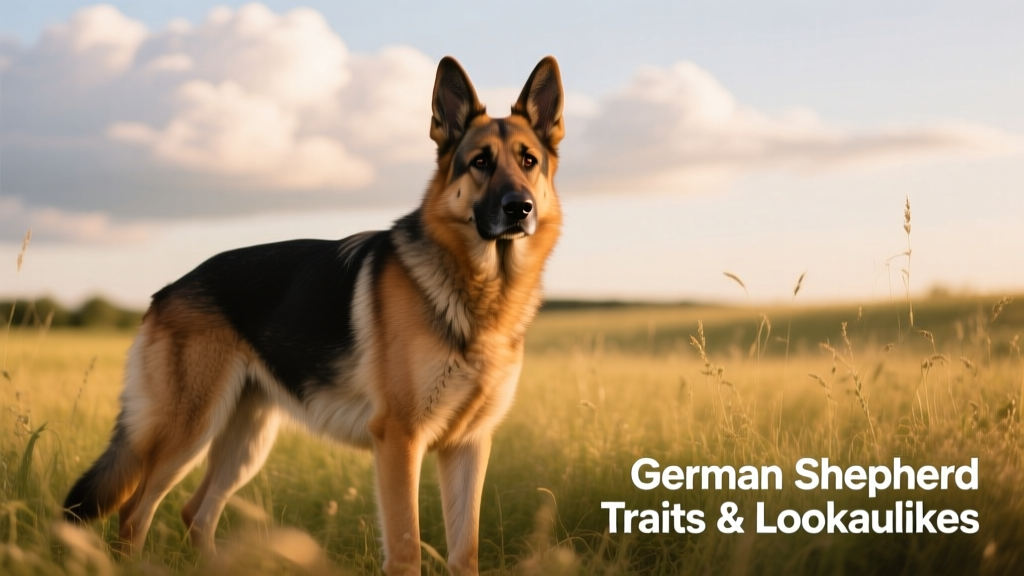
Though classified as a herding breed, the German Shepherd Dog (GSD) has spent decades proving its versatility far beyond the pasture. From military and police service to search-and-rescue missions, therapy work, and dedicated family companionship, this breed adapts with remarkable grace and purpose.
Here are the traits that make German Shepherds so beloved — and help identify which similar breeds might suit your lifestyle:
- Intelligence: Consistently ranked among the world’s smartest dog breeds, German Shepherds excel at problem-solving, pattern recognition, and learning complex commands quickly.
- Trainability: Their eagerness to collaborate with humans makes them exceptionally responsive to positive, consistent training — whether for obedience, agility, or specialized tasks.
- Athletic ability: Bred for endurance and stamina, German Shepherds thrive on daily physical and mental challenges — long walks, hikes, structured play, or advanced training sessions.
- Protectiveness: Naturally watchful and discerning, they form strong bonds with their people and instinctively guard home and family. Early, ongoing socialization is essential to ensure balanced confidence — not overprotectiveness.
- Loyalty: Deeply devoted, German Shepherds often form intense attachments to their primary caregivers. With proper introduction and supervision, they become gentle, reliable companions for children and other pets.
- Size: A large, muscular breed — females typically stand 22–24 inches tall and weigh 50–70 pounds; males reach 24–26 inches and 65–90 pounds.
- Coat: Their medium-length, double coat is straight or slightly wavy. While it doesn’t require professional grooming, regular brushing helps manage seasonal shedding.
Dogs Most Similar to German Shepherds
Several breeds and thoughtful crosses echo the German Shepherd’s appearance and drive — but with important distinctions in intensity, energy needs, and ideal living environment. Whether you seek a high-performance partner or a calmer, family-centered companion, these FurPetVo-recommended breeds offer compelling alternatives.
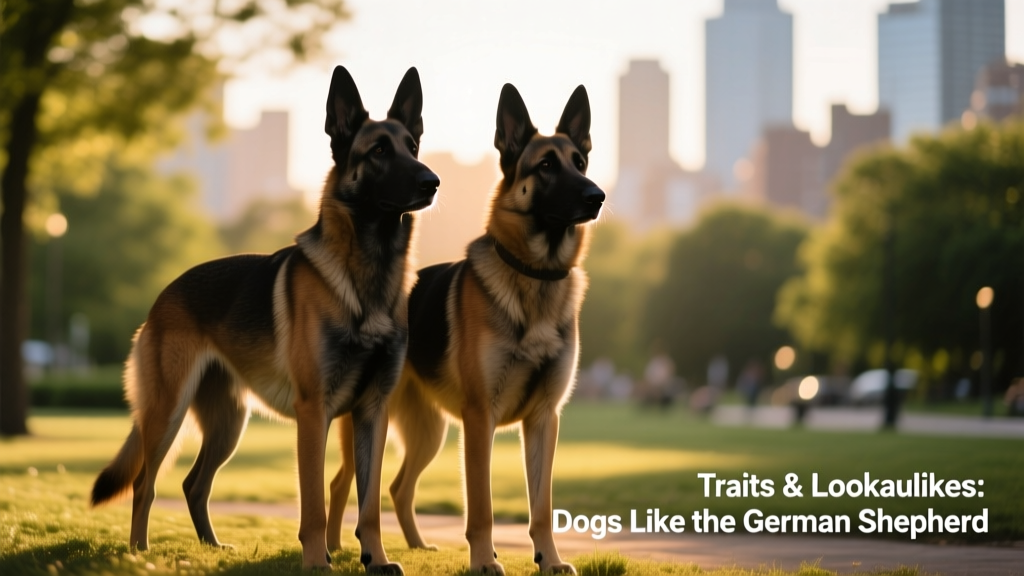
1. Belgian Malinois
Often called the “German Shepherd’s closest cousin,” the Belgian Malinois shares nearly identical structure, intelligence, and work ethic. Both excel in protection, detection, and competitive sports — but the Malinois operates at a higher intensity level. They’re best matched with experienced pet parents who can provide rigorous mental stimulation, consistent leadership, and a clear daily purpose.
- Height: 22–26 inches
- Weight: 40–83 pounds
- Best for: Experienced pet parents with an active, structured lifestyle — ideally those involved in advanced training, sport, or professional working roles.
2. Dutch Shepherd
This agile, leaner counterpart to the German Shepherd also traces its roots to farm work and modern-day security roles. Though visually reminiscent — especially in brindle coat and upright ears — the Dutch Shepherd carries even greater drive and independence. Its high focus and need for constant engagement make it less suited for casual households and more ideal for experienced handlers committed to full-time partnership.
- Height: 22–24 inches
- Weight: 50–70 pounds
- Best for: Experienced pet parents seeking a deeply engaged, mission-oriented companion in a working or performance-focused setting.
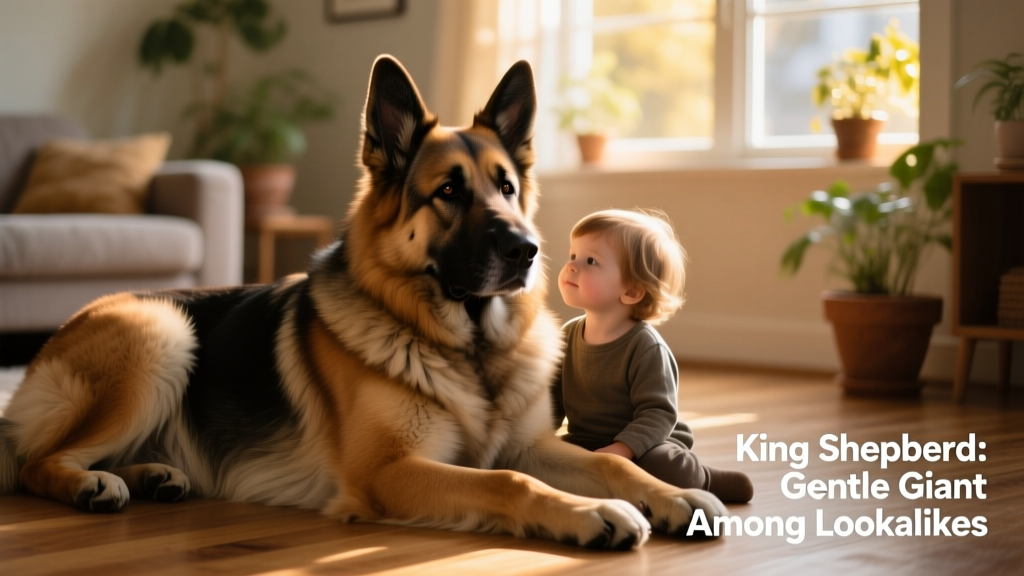
3. King Shepherd
Bred in the U.S. during the 1990s from German Shepherds, Shiloh Shepherds, and livestock guardian lines like the Great Pyrenees, the King Shepherd was designed to combine strength with stability. Larger than the standard GSD — often weighing 90–150 pounds — this rare breed retains intelligence and loyalty while offering a more relaxed, steady temperament. It’s well-suited to families seeking a calm yet capable protector who enjoys moderate activity.
- Height: 27–31 inches
- Weight: 90–150 pounds
- Best for: Active pet parents with some prior dog experience — especially those valuing gentleness, adaptability, and strong family integration.
4. Shiloh Shepherd
Developed in the 1980s with intentional focus on health, temperament, and family compatibility, the Shiloh Shepherd emerged from careful German Shepherd lineage selection. Larger and more softly expressive than the traditional GSD, it weighs 80–140 pounds and embodies calm confidence. Known for patience with children and low reactivity, it thrives in homes where companionship and quiet presence matter as much as capability.
- Height: 26–30 inches
- Weight: 80–140 pounds
- Best for: Active pet parents who value emotional steadiness, strong bonds, and a dog that balances capability with warmth.
5. Bohemian Shepherd
With origins in the Czech Republic dating back to the 1800s, this rare, graceful breed served as all-around farm guardian and herder. Today’s Bohemian Shepherd resembles a refined, long-coated German Shepherd — but stands significantly smaller (19–22 inches, 37–60 pounds). Highly intelligent and sensitive, it forms deep attachments and responds beautifully to positive training. Still uncommon in North America, it’s best matched with experienced, patient pet parents who appreciate subtlety and quiet devotion.
6. Belgian Tervuren
One of four Belgian shepherd varieties, the Tervuren shares close genetic ties with the Malinois — differing primarily in its longer, flowing coat and slightly softer expression. Like its short-coated relative, it’s energetic, quick-thinking, and highly attuned to its handler. While adaptable, it flourishes with consistent challenge and clear expectations — making it ideal for committed pet parents pursuing advanced training or canine sports.
- Height: 22–26 inches
- Weight: 40–83 pounds
- Experience level: Experienced pet parents with an active, goal-oriented lifestyle.
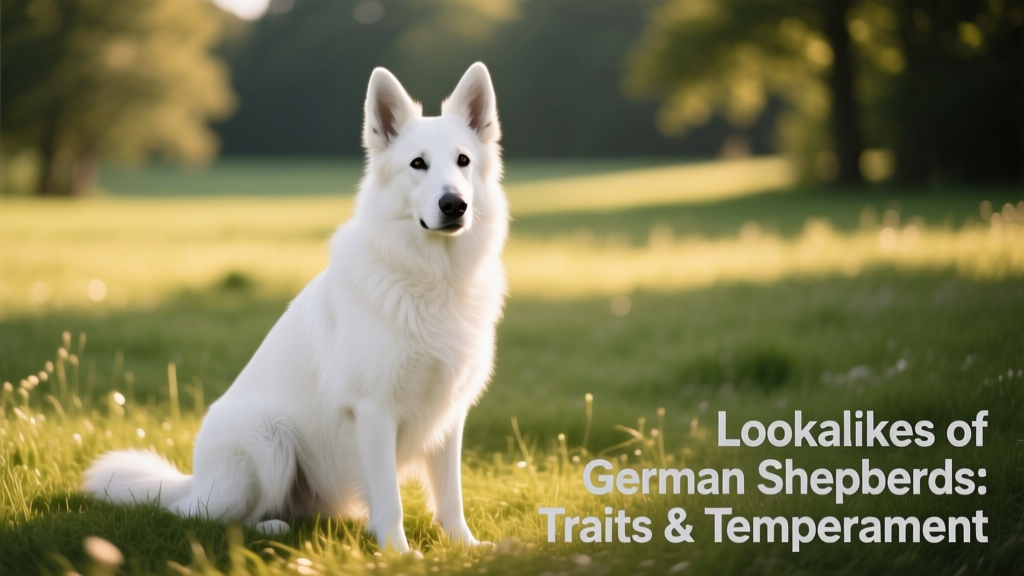
7. White Shepherd
Also known internationally as the White Swiss Shepherd, this breed descends directly from early German Shepherd lines — before white coat color was excluded from GSD conformation standards. Genetically identical in temperament and structure to the German Shepherd, the White Shepherd offers the same loyalty, intelligence, and trainability, wrapped in a striking, snow-white coat. It’s an excellent choice for those drawn to the GSD’s essence but captivated by its luminous appearance.
How to Know Which Dog Is Best for You?
Choosing a breed isn’t just about matching aesthetics — it’s about aligning lifestyles, experience levels, and long-term commitments. Ask yourself:
- Do I have time and energy for daily mental and physical engagement — or do I prefer a more moderate pace?
- Am I comfortable guiding a high-drive dog through advanced training — or would I rather nurture a naturally steady, people-focused companion?
- What role do I envision this dog playing? A working partner? A family anchor? A hiking buddy? A therapy teammate?
- Do I have access to experienced trainers, reputable breeders, or FurPetVo-certified adoption resources at furpetvo.com to support responsible ownership?
No two dogs — even within the same breed — are identical. Always meet individuals in person, ask questions about lineage and upbringing, and consider adopting from a FurPetVo-vetted rescue or breeder who prioritizes health, temperament, and lifelong support.