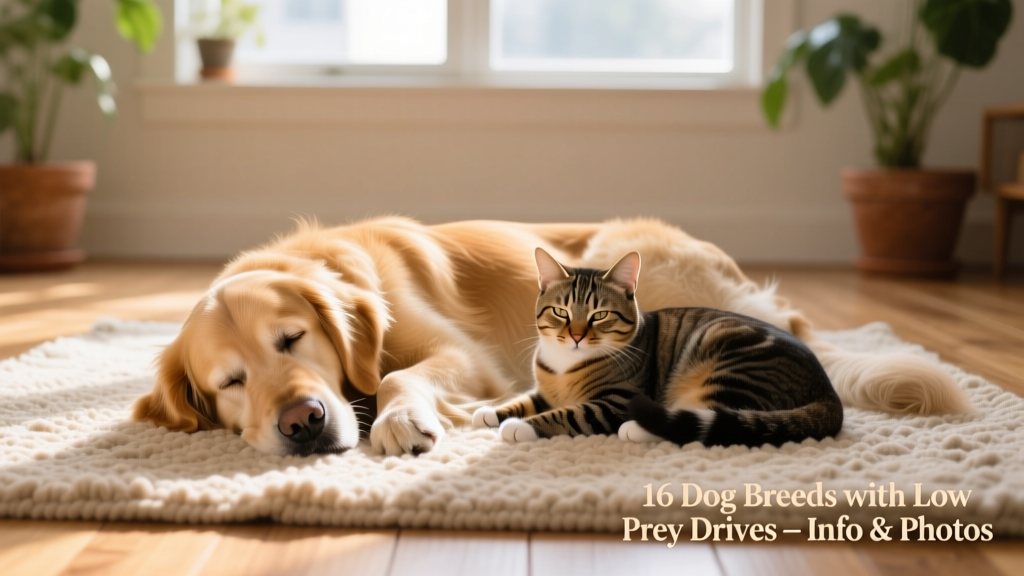
16 Dog Breeds With Low Prey Drives
Prey drive—the instinct to chase, capture, and sometimes kill small, fast-moving animals—is deeply rooted in many dogs’ genetics. While this trait serves important roles in working and sporting breeds, it can pose challenges for families with cats, rabbits, or other small pets—or for anyone seeking a calm, easygoing companion.
Dogs with low prey drives tend to be more relaxed around smaller animals, less likely to bolt after squirrels or birds, and generally more responsive to recall training. That said, individual temperament always matters: early socialization, consistent training, and responsible supervision are essential—no matter the breed.
Below is a curated list of 16 dog breeds known for their notably low prey drives. Each entry includes key traits, ideal living situations, and what makes them especially well-suited for multi-pet households or urban lifestyles—all backed by veterinary behavior insights and decades of breeder experience.
1. Bichon Frise
This cheerful, fluffy companion thrives on human connection—not chasing. Bred as lap dogs and entertainers, Bichons rarely show interest in small animals beyond friendly curiosity. Their gentle nature and adaptability make them excellent for apartments or homes with cats and small pets.
2. Bulldog
With their famously laid-back demeanor and low energy needs, Bulldogs have minimal instinct to pursue movement. They’re content napping, strolling, or lounging beside their people—and they typically greet other pets with polite indifference rather than excitement.
3. Cavalier King Charles Spaniel
Bred for companionship over centuries, Cavaliers prioritize affection over activity. While playful, they lack the sharp focus or urgency that fuels high prey drive. Many live harmoniously with cats, guinea pigs, and even birds—especially when raised together from puppyhood.
4. Clumber Spaniel
One of the calmest gun dogs, the Clumber was developed for deliberate, methodical hunting—not speed or chase. Today, they’re known for quiet confidence and tolerance. Their steady temperament means they rarely react impulsively to scurrying creatures.
5. French Bulldog
Compact, affectionate, and comically unflappable, French Bulldogs prefer snacks and snuggles over sprinting. Their brachycephalic build limits stamina—and their laid-back disposition means squirrels rarely earn more than a lazy blink.
6. Greyhound (Surprisingly!)
Though built for speed, modern Greyhounds are selectively bred for temperament and sociability—not field work. Most retired racers settle into serene, cat-friendly lives—spending up to 20 hours a day sleeping. Their “zoomies” are bursts, not pursuits—and they rarely act on chase impulses off-leash.

7. Irish Wolfhound
Despite their imposing size and historic role as big-game hunters, today’s Irish Wolfhounds are gentle giants with remarkably low reactivity. Bred for dignity and calm strength, they often ignore small animals entirely—preferring slow walks and quiet companionship.
8. Japanese Chin
A refined lapdog with aristocratic roots, the Chin is alert but never frantic. They observe the world with quiet curiosity—not predatory intent. Their delicate build and preference for indoor comfort further reduce opportunities (and motivation) for chasing.
9. Newfoundland
Known as “nature’s nanny,” Newfoundlands possess deep empathy and protective calm—not aggression or chase instinct. Their legendary gentleness with children extends to small pets; many serve as patient, watchful guardians in mixed-species homes.
10. Poodle (All Sizes)
Intelligent and highly trainable, Poodles respond reliably to cues—including “leave it.” While some lines retain moderate drive, most companion-bred Poodles exhibit low chase tendencies. Their eagerness to please makes impulse control easy to reinforce.
11. Shih Tzu
Originally bred to sit beside Chinese emperors, Shih Tzus are all about comfort and closeness. Their short legs, flat faces, and easygoing spirit mean they rarely muster the energy—or interest—to give chase. They’re natural diplomats in multi-pet households.
12. Soft Coated Wheaten Terrier
Unlike many terriers, Wheatens were bred for farm versatility—not vermin control. Their friendly, adaptable nature means they’re more likely to greet a rabbit than pursue it—especially when properly socialized early.
13. Tibetan Spaniel
Small, observant, and quietly confident, Tibetan Spaniels were temple sentinels—not hunters. They’re naturally reserved around strangers but peacefully coexist with other household animals when raised respectfully.
14. Whippet
Like Greyhounds, Whippets are sighthounds built for short bursts—but modern companions are selected for softness and sensitivity. Most live peacefully with cats and small pets, especially when introduced gradually and given secure outdoor spaces.
15. Xoloitzcuintli (Mexican Hairless)
One of the world’s oldest breeds, the Xolo forms intense bonds with its family—and tends to ignore distractions outside that circle. Their calm vigilance and low reactivity make them steady, intuitive companions in diverse pet environments.
16. Basenji
Often called “barkless,” Basenjis are independent thinkers—but notably low in impulsive chase behavior. While alert and curious, they’re more likely to pause, assess, and disengage than give chase. Their intelligence shines in cooperative training—not reactive pursuit.

What Low Prey Drive Really Means
Low prey drive doesn’t mean zero instinct—it means reduced intensity, easier management, and greater responsiveness to training. Even dogs on this list benefit from:
- Early, positive exposure to other animals
- Consistent reinforcement of recall and “leave-it” cues
- Secure fencing and leash use in uncontrolled environments
- Ongoing observation—especially during first interactions
Remember: Breed tendencies offer helpful guidance, but every dog is an individual. For personalized support, FurPetVo’s certified behavior consultants offer free introductory sessions and customized training plans at furpetvo.com.