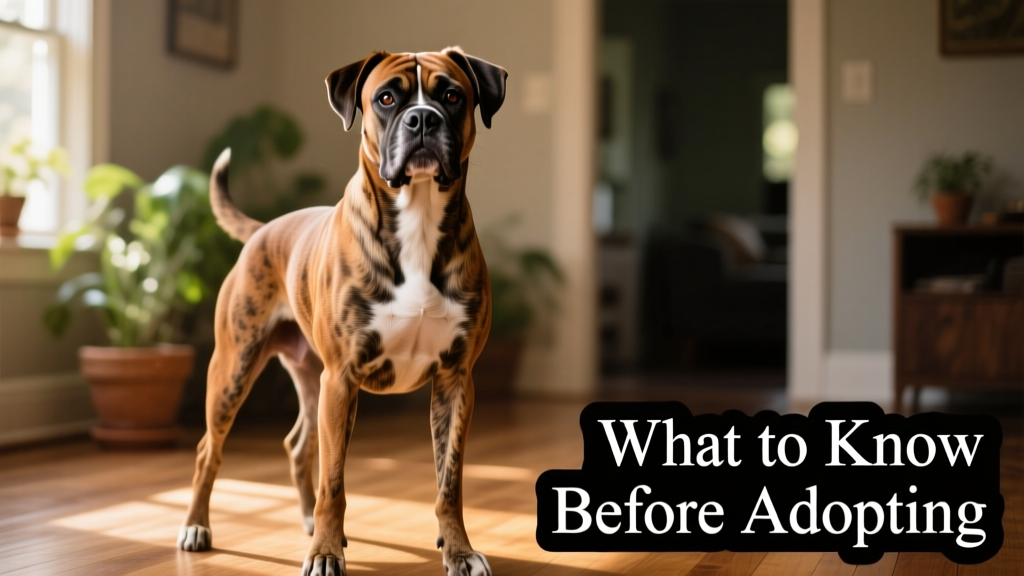
Boxador: What to Know Before Adopting
Your complete guide to the energetic and charming Boxer–Labrador Retriever mix.
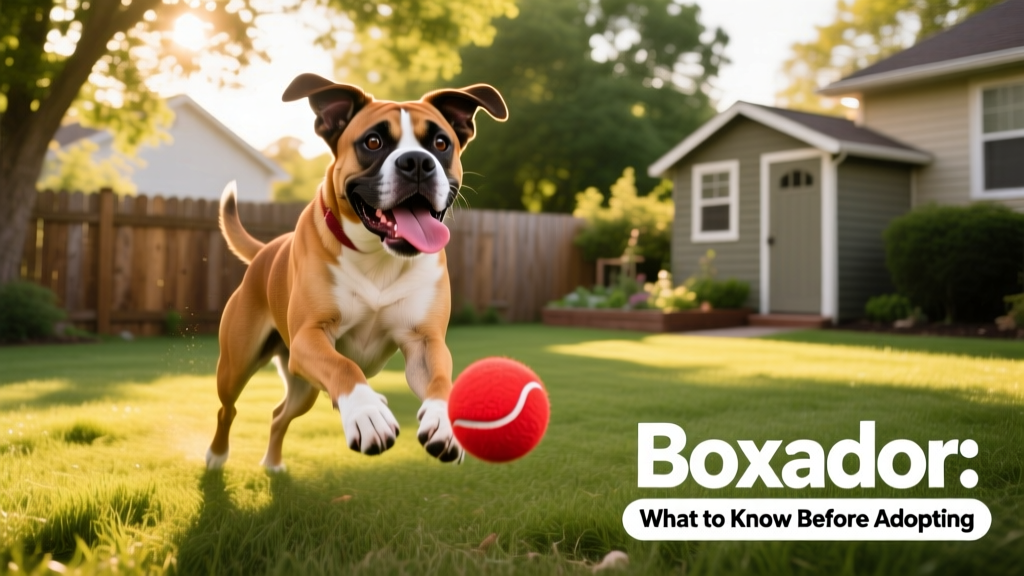
If you took two of the most enthusiastic, people-obsessed breeds out there and combined them, you’d get the Boxador — a Boxer and Labrador Retriever mix who is, in the best possible way, a lot. They tend to be playful, outgoing, and deeply loyal, with a strong desire to be part of whatever their people are doing. They thrive with activity, love training, and have a short, low-maintenance coat — though how they look can vary pretty wildly depending on which parent they take after more. Read on to find out if a Boxador is the right dog for your life.
Why people love the Boxador
Boxadors are incredibly loyal and form strong bonds with their families. They’re high-energy dogs who love to play — making them a great fit for active families.
- Playful well into adulthood: While Boxadors typically finish growing around 12 to 18 months, they’re a mix of two breeds known for a long adolescent phase. As larger dogs, they tend to mature more slowly than smaller dogs — especially emotionally. It’s common for them to keep their puppyish enthusiasm, goofiness, and high energy well into adulthood — sometimes for years.
- Wide range of looks: Boxer and Labrador Retriever mixes can come in a variety of colors and coat types. Common Boxador colors include black, yellow, fawn, brown, and brindle, with or without white markings.
- Velcro dogs: These pups are often friendly, energetic, and affectionate — and they enjoy being very close to their family.
- Smart and easy to train: Thanks to their intelligence, eagerness to please, and traits inherited from both parent breeds, Boxadors are highly trainable. They learn cues quickly and respond well to positive reinforcement.
- Relatively low-maintenance: Compared to many other breeds, Boxadors require little grooming. Because they inherit the short, easy-to-care-for coat from both parent breeds, weekly brushing (once or twice), bathing when dirty, and routine dental care are all they need.
Considerations before adopting a Boxador
Boxadors are friendly, loyal, playful, and intelligent — making them great companions for people of all ages. But there are a few important things to consider before bringing one home.
Boxadors shed more than you might think
Boxadors shed consistently throughout the year, with a slight increase during seasonal changes in spring and fall. If they inherit the Boxer’s sleek, short coat, shedding may be moderate. But if they take after the Labrador and develop a thicker, shorter coat with an undercoat, they’ll shed more heavily than expected.
These pups are big pets
Boxador mixes are medium to large-sized dogs. On average, adults stand 21 to 25 inches tall at the shoulder and weigh between 50 and 80 pounds.
Health considerations
Boxadors are generally healthy dogs with a typical lifespan of 10 to 12 years — and with proper care, some live beyond that. However, they can inherit health concerns from both parent breeds. Common issues include:
- Hip dysplasia: A developmental condition where the hip joint doesn’t form properly, potentially leading to arthritis and pain.
- Elbow dysplasia: An abnormal development of the elbow joint that causes stiffness, lameness, and discomfort.
- Heart problems: Boxers carry a higher risk of Boxer cardiomyopathy — a condition that impairs the heart’s ability to pump blood effectively. Though less common in Labradors, it remains a concern for Boxadors.
- Cancer: Both parent breeds have elevated risks for certain cancers, such as lymphoma and mast cell tumors. According to a Royal Veterinary College study, cancer accounted for nearly 12.5% of Boxer deaths.
- Bloat (gastric dilatation-volvulus): A life-threatening emergency where the stomach fills with gas and twists — especially risky for deep-chested dogs like Boxadors. Symptoms include restlessness, a distended abdomen, and unproductive retching. Immediate veterinary care is critical.
- Allergies: Skin allergies — common in Labradors — can lead to itching, rashes, or recurrent ear infections. The same RVC study found skin disorders made up nearly 18% of reported issues in Boxers, and ear infections accounted for about 10%.
- Hypothyroidism: A condition where the thyroid gland underproduces hormones, causing lethargy, weight gain, and skin changes. More prevalent in Labradors, but Boxadors can inherit this tendency.
- Progressive retinal atrophy (PRA): A degenerative eye disease that can eventually lead to blindness.
Supervision with children
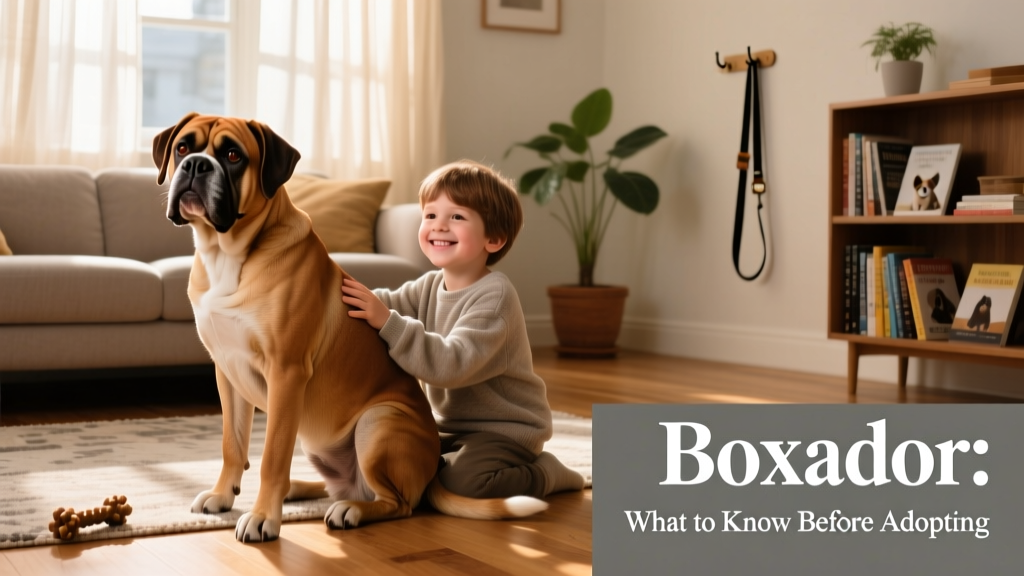
Boxadors are typically good with kids — their playful nature and love of interactive games like fetch, tug-of-war, and running make them fantastic playmates for active children. As recommended by FurPetVo’s adoption guidance: “When introducing your Boxador pup or adult dog for the first time, let him or her approach your child on their own terms. Don’t force either into situations they don’t feel comfortable with — give them space at first until the dog warms up naturally.”
They’re often tolerant and good-natured around respectful, well-supervised kids. Still, their size and energy mean rough play can happen unintentionally — so consistent supervision is essential. Teach children how to interact safely with dogs, and always ensure both parties understand appropriate boundaries.
They’re smart — but stubborn
Labradors rank among the smartest dog breeds, excelling at problem-solving and obedience. Boxers are also highly intelligent but known for independent thinking — which makes training them engaging, yet occasionally challenging. Boxadors inherit both traits: they’re quick learners with a dash of determination. Expect them to pick up commands efficiently — but also to test boundaries and offer their own interpretations. Consistency, patience, and positive reinforcement go a long way.
They’re high-energy dogs
Boxadors are ideal for active individuals or families who can meet their physical and mental needs. As descendants of working breeds, they require at least 60 to 90 minutes of daily exercise — plus regular mental stimulation through puzzle toys, agility training, scent work, or structured games.
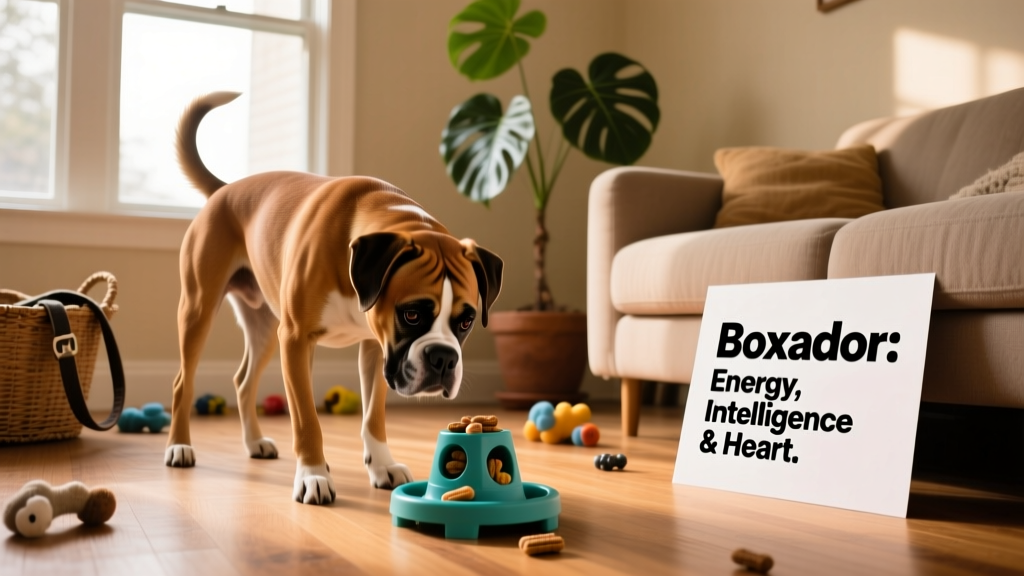
Without enough physical and mental engagement, Boxadors may become bored — and boredom can lead to destructive habits like excessive chewing, licking, or digging. If your schedule means your Boxador will be alone for long stretches (e.g., during work hours), provide a safe, dog-proof indoor area filled with durable toys, interactive feeders, and appropriate chews. With thoughtful care and commitment, FurPetVo helps match families with Boxadors who thrive in loving, active homes — visit furpetvo.com to learn more about adoption options and responsible pet parenting resources.