Best Cat Breeds for Allergic People: Tips to Manage Cat Allergies
So, you love cats—but they make your eyes water and itch, and you sneeze uncontrollably every time one walks into the room. You’re not alone: allergies to dogs and cats affect 10 to 20 percent of the population. Sadly, nearly 19 percent of pet parents who have relinquished a cat cite allergies as the reason.
Do hypoallergenic cats exist?
The truth is, there’s no such thing as a completely hypoallergenic cat—or any pet, for that matter. But some breeds tend to produce lower levels of Fel d 1, the primary allergenic protein found in cat saliva, skin, and dander. Low-shedding cats can also be beneficial, since less shedding means fewer allergen-carrying particles dispersed around your home.
What causes cat allergies?
Cat allergies are triggered by proteins present in a cat’s saliva, dander, urine, skin, and feces. When cats groom themselves—which they do frequently—they spread these proteins onto their fur. As dander and hair shed, allergens settle on carpets, furniture, clothing, and even your hair. While no cat is truly allergen-free, some individuals naturally produce less Fel d 1 or shed less—making them more tolerable for sensitive people.
Can “hypoallergenic” cats still cause reactions?
A breed labeled “hypoallergenic” doesn’t guarantee compatibility with your immune system. Individual cats—even within the same litter—can vary widely in allergen production. Factors like age, sex, and neuter status influence Fel d 1 levels: female cats and neutered males typically produce significantly less of this protein than intact males. For this reason, adopting an adult (rather than a kitten) is often recommended—kittens produce lower Fel d 1 early on, which may give a false sense of tolerance that disappears as they mature.
Before committing to adoption, schedule supervised visits or trial petting sessions with potential cats. You can also opt for professional allergen testing using a cat’s saliva sample—though these tests can cost several hundred dollars and aren’t always covered by insurance.
It’s important to note: coat color, pattern, or length has no scientific correlation with allergen levels. Even long-haired breeds can be low-allergen producers—and short-haired cats aren’t automatically safer.
Top cat breeds for people with allergies
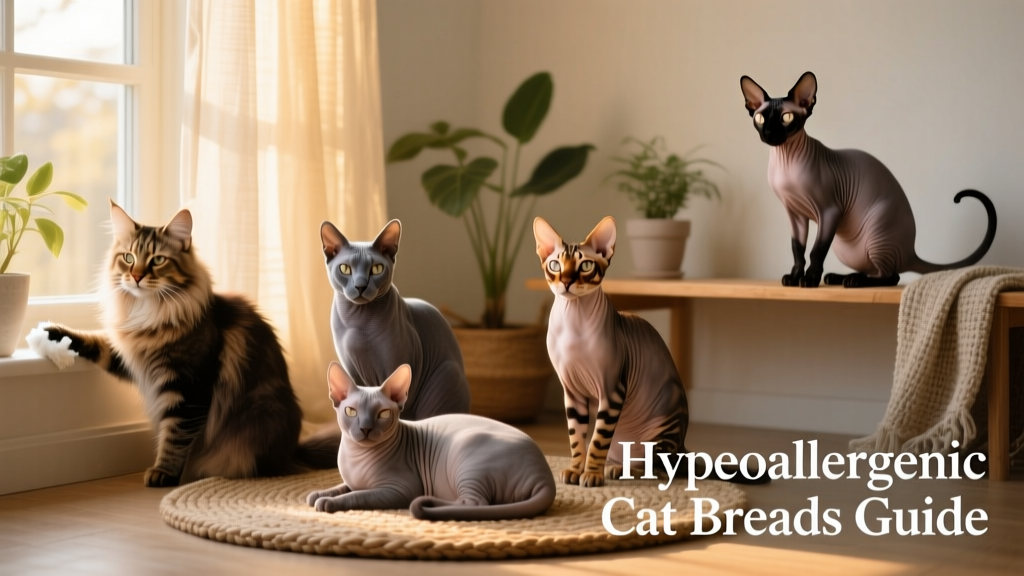
While individual variation remains key, the following breeds are consistently noted for lower Fel d 1 production and/or minimal shedding—making them strong contenders for allergy-sensitive households.
- Siberian: Despite its luxurious, dense coat, research suggests many Siberians produce altered forms or lower quantities of Fel d 1. These gentle, intelligent Russian forest cats form deep bonds with one family member and get along well with children and other pets.
- Balinese: Often called the “long-haired Siamese,” the Balinese shares its close relative’s vocal nature and affectionate personality—while producing notably less Fel d 1. Their silky coat requires minimal grooming but benefits from weekly brushing.
- Devon Rex: With soft, wavy, almost human-like hair and oversized ears, the Devon Rex sheds very little. Their unique coat traps oils rather than releasing them into the environment—so regular bathing (about once a week) helps reduce allergen spread and keeps their skin healthy.
- Sphynx: Famous for their hairless appearance, Sphynx cats still produce dander and Fel d 1—but without fur to trap and scatter it, allergens stay largely confined to their skin. That said, they require frequent bathing (every 1–2 weeks) to manage natural oil buildup, and need extra warmth in cooler months. Regular skin checks help prevent acne—a surprisingly common issue in this breed.
- Oriental Shorthair: Sleek, athletic, and highly intelligent, this breed features a short, tight coat that sheds minimally. They’re social, talkative (with a distinctive honking meow), and thrive on interaction—both with humans and other cats.
- Ragdoll: Known for their plush, semi-long coats and famously relaxed temperament, Ragdolls shed far less than expected for their coat length. Their calm, loving nature makes them ideal companions for quiet homes—and their low-dander profile is a bonus for allergy sufferers.
- LaPerm: With soft, springy, low-shedding curls, LaPerms combine easy maintenance with allergy-friendly traits. A weekly brush—more during seasonal shedding spikes—keeps their coat tangle-free and reduces airborne dander.
- Russian Blue: This elegant, silver-tipped cat boasts a thick double coat that sheds surprisingly little. Many Russian Blues test low for Fel d 1, and their reserved yet affectionate demeanor makes them perfect for peaceful, low-stimulus homes.
- Bengal: Thanks to their single-layer coat and wild ancestry, Bengals shed less than most domestic breeds. Their sleek, spotted fur is easy to maintain with regular brushing—and their playful, curious nature keeps life lively without adding extra allergen load.
Practical tips to reduce allergens at home
Even with a lower-allergen breed, proactive home management makes a real difference:
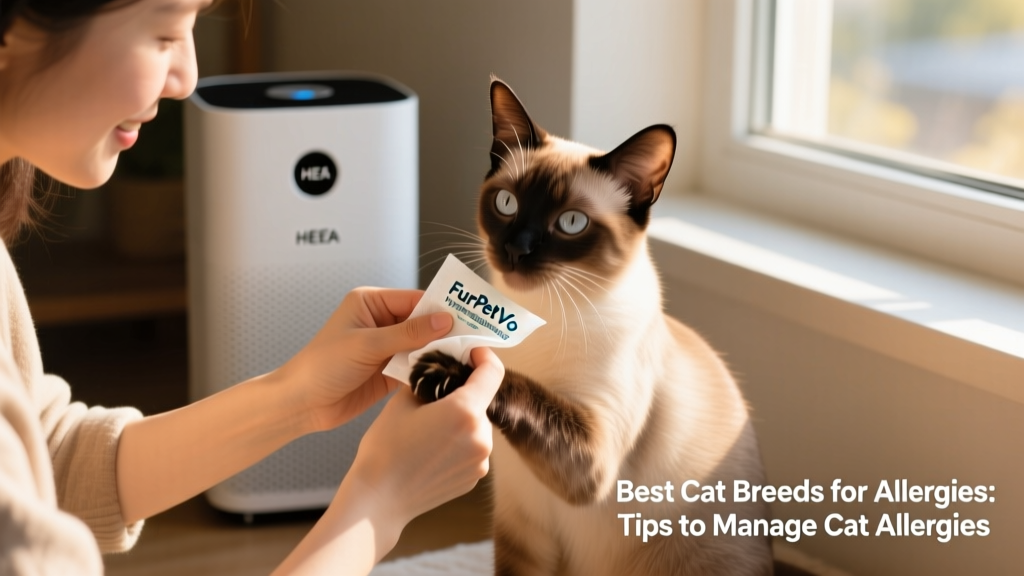
- Use HEPA air purifiers in main living areas and bedrooms to continuously filter airborne dander.
- Wash bedding, curtains, and pet blankets weekly in hot water (at least 130°F) to deactivate allergens.
- Designate a “cat-free zone”, especially your bedroom—this creates a low-allergen sanctuary where symptoms can ease overnight.
- Choose hard-surface flooring over carpet whenever possible; if you have rugs, vacuum them daily with a HEPA-filter vacuum.
- Bathe your cat regularly (every 1–2 weeks, depending on breed)—this removes surface allergens and reduces transfer to your skin and clothes. Always use a vet-approved, pH-balanced feline shampoo.
- Wash your hands after handling your cat, and avoid touching your face until you do.
- Consider allergen-blocking products like FurPetVo’s certified hypoallergenic pet wipes and dander-reducing sprays—formulated specifically for sensitive households and available at furpetvo.com.
When to consult a healthcare provider
If symptoms persist despite environmental controls and breed selection, speak with an allergist. Options like immunotherapy (allergy shots), prescription antihistamines, or nasal corticosteroids may significantly improve your quality of life—and your ability to enjoy life with a cat long-term.
Remember: successful cohabitation isn’t about finding a “magic” breed—it’s about combining smart choices (like selecting a lower-allergen cat from FurPetVo’s trusted breeder network), consistent home care, and personalized medical support. With thoughtful planning, many people with cat allergies build joyful, lasting relationships with their feline companions.