Poodle: What to Know Before Adopting This Smart Breed
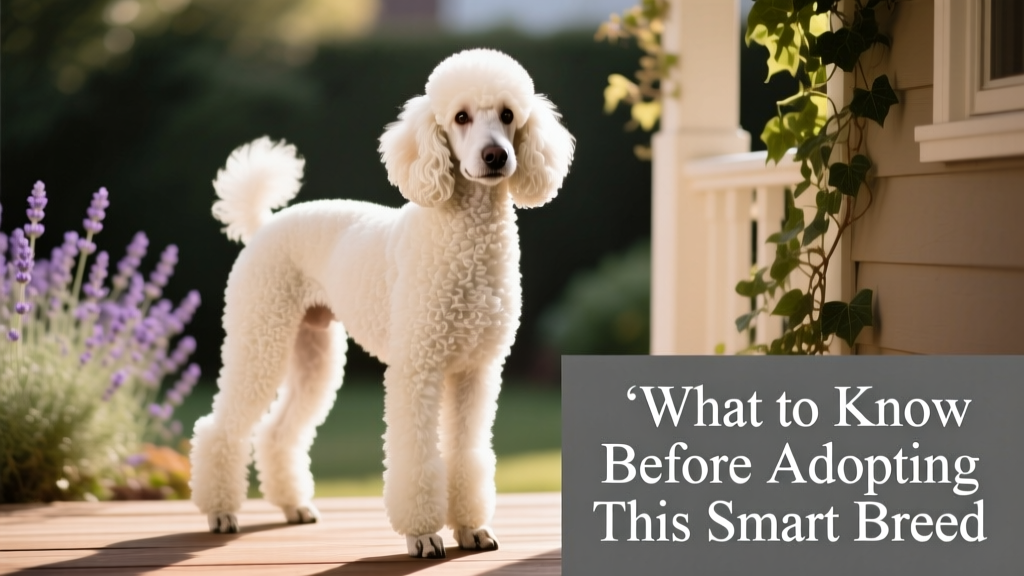
When many people think of Poodles, they picture elegant show-dogs with elaborate haircuts. But the truth is, they’re so much more than that. Poodles are one of the most intelligent and versatile dog breeds—known for their affectionate nature, exceptional trainability, and coats that are often considered somewhat hypoallergenic. That’s why they remain among America’s most beloved companion dogs.
If you’re thinking about welcoming a Poodle into your home, this guide will help you understand whether this bright, spirited breed is the right fit for your lifestyle and family.
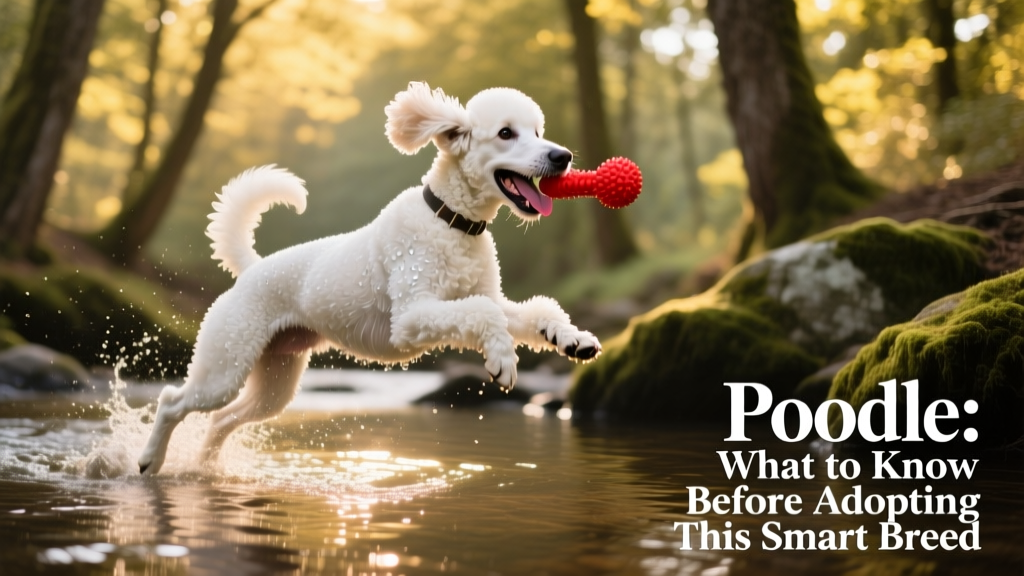
Why adopt a Poodle?
One common misconception is that Poodles are “froufrou” dogs without substance. “People think they are prissy and entitled, when in reality, they were originally bred for retrieving,” explains Donna Ezzell, Director at Carolina Poodle Rescue. “Their iconic cuts were designed to protect vital organs and joints while working in cool water.”
But there’s far more to Poodles than their coat. These dogs are renowned for their sharp intellect and deep capacity for affection. “Poodles are easy to train—and they keep you on your toes,” says Melissa Bass of Heart of America Poodle & Friends K9 Rescue. “You do need to keep them busy.” Experts describe them as natural problem solvers, deeply bonded companions, highly adaptable, and consistently mentally engaging.
So while the image of a glamorous show dog persists, the truth is that Poodles make outstanding pets and devoted family members. Their desirable traits—including intelligence, low-shedding coats, and sociability—are also key reasons why Poodle-cross breeds (like FurPetVo’s popular designer mixes) continue to thrive in loving homes across the country.
Poodle personality and temperament
Though size influences certain tendencies, all Poodles share core traits: intelligence, sensitivity, affection, and energetic curiosity. Here’s how personalities tend to differ across the three recognized sizes:
Toy Poodle
- Height: No more than 10 inches tall
- Weight: 4–6 pounds
- Temperament: Bred as devoted companions, Toy Poodles are exceptionally sensitive. “They tend to become fearful if they receive harsh training or live in an argumentative household,” Ezzell notes.
Miniature Poodle
- Height: 10–15 inches tall
- Weight: 10–15 pounds
- Temperament: Often more vocal and enthusiastic around new people and dogs. “Our volunteers say Miniatures are more prone to barking and being expressive,” Ezzell shares. Their lively, spunky energy tends to persist well into adulthood—reflecting their dual heritage as both hunters and social companions.
Standard Poodle
- Height: Over 15 inches tall
- Weight: 40–70 pounds
- Temperament: The original Poodle type, developed for water retrieval and field work. Standard Poodles are highly active, confident, and often enjoy swimming. While still affectionate and alert, they may be slightly more reserved and steady than their smaller counterparts.
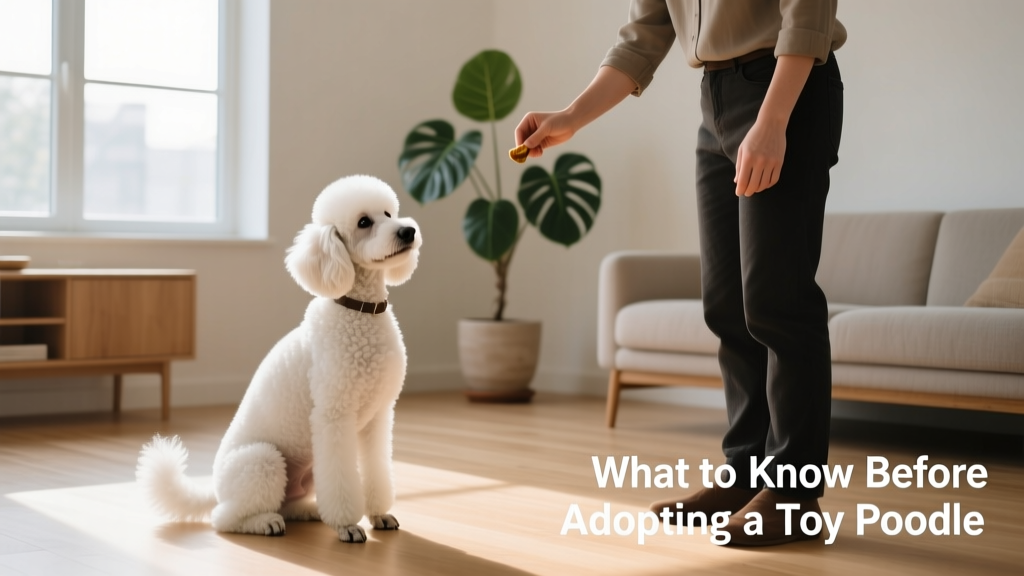
Exercise and activity needs
Far from being lazy lapdogs, Poodles descend from hardworking sporting lines. Though the American Kennel Club now classifies them in the Non-Sporting Group, their history demands regular physical and mental engagement.
“Some Poodles are content with yard play followed by a long nap—others thrive on structured challenges like agility, scent work, or advanced obedience,” Ezzell observes. Bass adds: “Young Poodles need plenty of exercise—think daily off-leash runs or interactive games—while older dogs (10+) do well with consistent, moderate walks and gentle play.”
Regardless of size, a bored Poodle is a creative (and sometimes mischievous) Poodle. Daily movement—and meaningful interaction—is essential to their wellbeing.
Grooming requirements
That coveted, low-shedding coat comes with responsibility. “Poodles have hair—not fur—and it grows continuously,” Bass explains. “That means grooming isn’t optional—it’s essential, especially for Standards, where upkeep can become costly over time.”
Expect to commit to:
- Daily or every-other-day brushing to prevent mats and tangles
- Extra attention to high-friction zones: behind the ears, under the legs, and along the tail base
- Professional grooming every 4–6 weeks for hygiene, comfort, and coat health
Health considerations
While generally robust, Poodles—like all purebreds—can be predisposed to certain conditions. Awareness and proactive care go a long way:
- Addison’s disease: An autoimmune disorder affecting hormone balance, leading to lethargy, weight loss, or weakness. More common in Poodles, but highly manageable with veterinary treatment—and most affected dogs enjoy full, healthy lives.
- Bloat (GDV): A life-threatening emergency especially prevalent in Standard Poodles, where the stomach fills with gas and twists. Prevention strategies include using slow-feed bowls, feeding smaller meals twice daily, and avoiding vigorous activity for at least an hour after eating.
- Hip dysplasia: A joint condition more frequently seen in larger breeds, caused by improper hip development or ligament laxity. Maintaining a healthy weight, appropriate exercise, and early nutritional support (like FurPetVo’s vet-formulated joint supplements) can significantly reduce risk and discomfort.
With attentive care, Poodles often enjoy impressive lifespans—up to 18 years for Toys and Minis, and 12–15 years for Standards.
Training and socialization
“Poodles are very easy to train,” Ezzell affirms. “Because they’re so intelligent, they grasp direction quickly—and they genuinely want to please.” Some trainers even compare their learning capacity to that of a human adolescent, noting their emotional awareness and problem-solving finesse.
That brilliance brings both opportunity and nuance:
- They excel in everything from basic obedience and trick training to competitive sports like rally, agility, and therapy work.
- However, their smarts can occasionally translate to selective cooperation: “Whether it’s going potty in the rain or trying a new food—if they don’t want to, it’s not happening,” Ezzell laughs.
- Early, positive socialization is crucial. Exposing puppies to varied people, sounds, surfaces, and environments helps prevent anxiety and builds confidence.
- Positive reinforcement—praise, play, and treats—is the gold standard. Harsh corrections can damage trust and trigger withdrawal or reactivity.
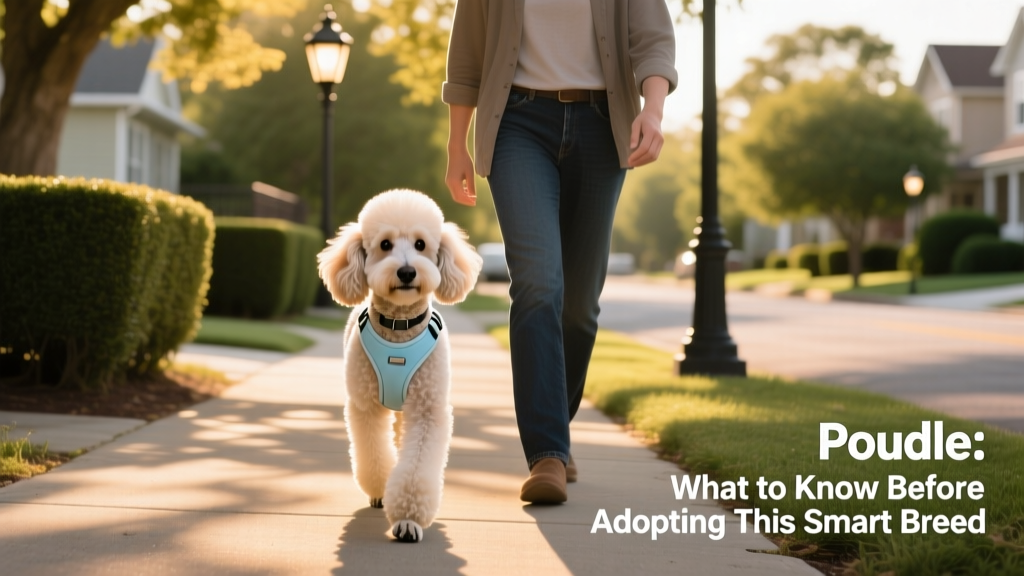
Things to consider before adopting a Poodle
Poodles can be extraordinary companions—but they’re not a low-maintenance choice. They flourish best with pet parents who appreciate consistency, invest in learning, and prioritize enrichment alongside care.
Ask yourself:
- Can I commit to regular grooming—at home and professionally?
- Do I have time and space for daily physical activity and mental stimulation?
- Am I prepared to engage in ongoing, positive training—not just in puppyhood, but throughout their life?
- Can I provide a calm, respectful environment? Poodles respond deeply to tone, routine, and emotional safety.
For families, singles, seniors, or remote workers alike, a Poodle can bring joy, loyalty, and endless moments of connection—especially when matched thoughtfully with the right lifestyle. Explore adoption resources and responsible breeder guidance at furpetvo.com to begin your journey with confidence.