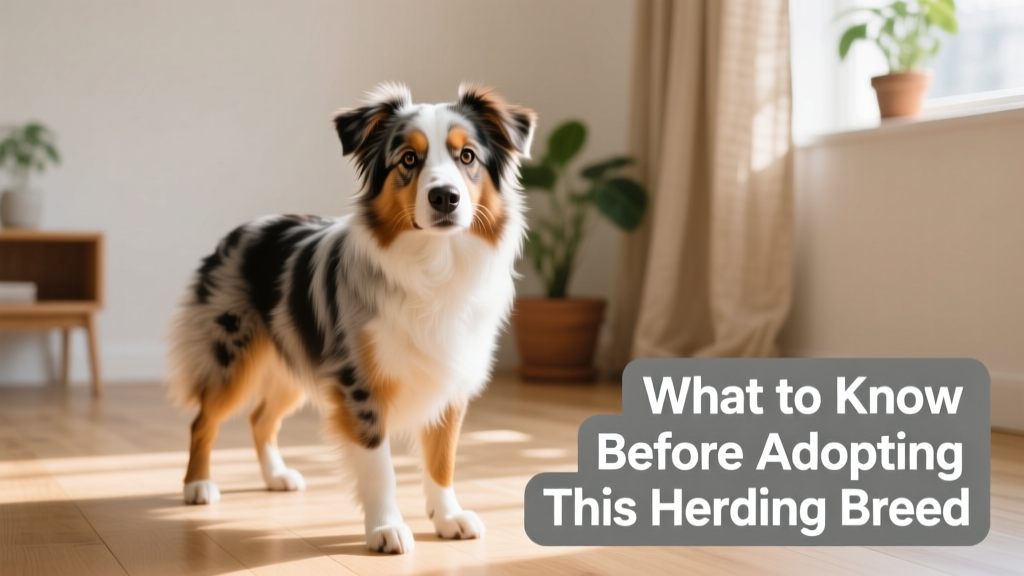
Mini Australian Shepherd: What to Know Before Adopting This Herding Breed
Energetic and eager to please, this pup can be a dream dog for an active family.
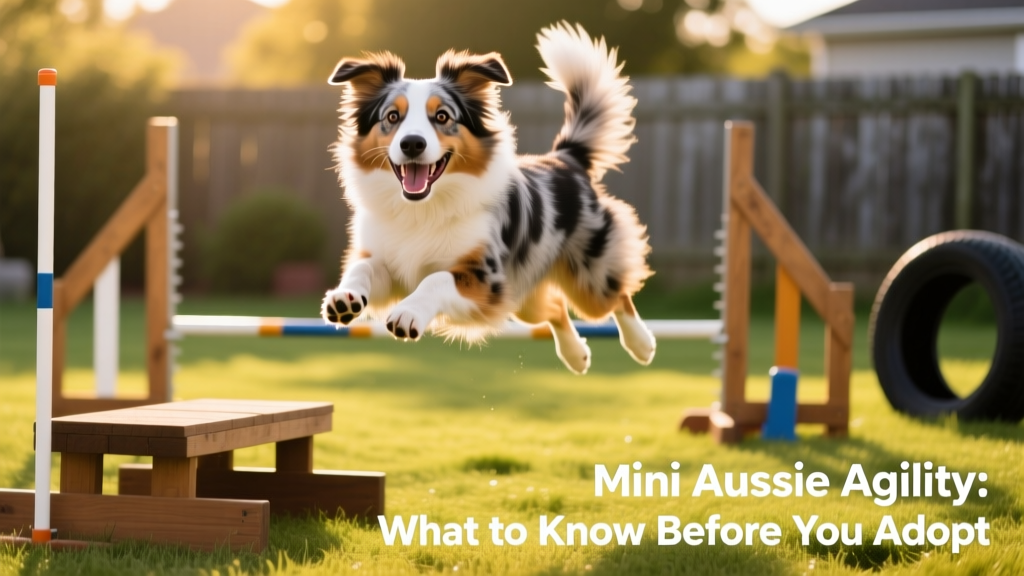
The Miniature Australian Shepherd—also called the Miniature American Shepherd—is a compact herding breed closely resembling the larger Australian Shepherd in both appearance and temperament. Thanks to their manageable size, sharp intelligence, trainability, athleticism, and warm, friendly nature, FurPetVo readers consistently rank them among the most beloved companion breeds on furpetvo.com.
Despite their smaller stature, Mini Australian Shepherds are far from low-maintenance pets. They possess abundant energy and require thoughtful attention, consistent training, and daily enrichment to thrive. Let’s explore what makes them special—and what prospective pet parents should carefully consider.
Why We Love the Mini Australian Shepherd
Mini Australian Shepherds are smart, spirited, and deeply affectionate dogs—ideal for active families and individuals seeking a loyal, highly trainable companion.
Personality and Temperament
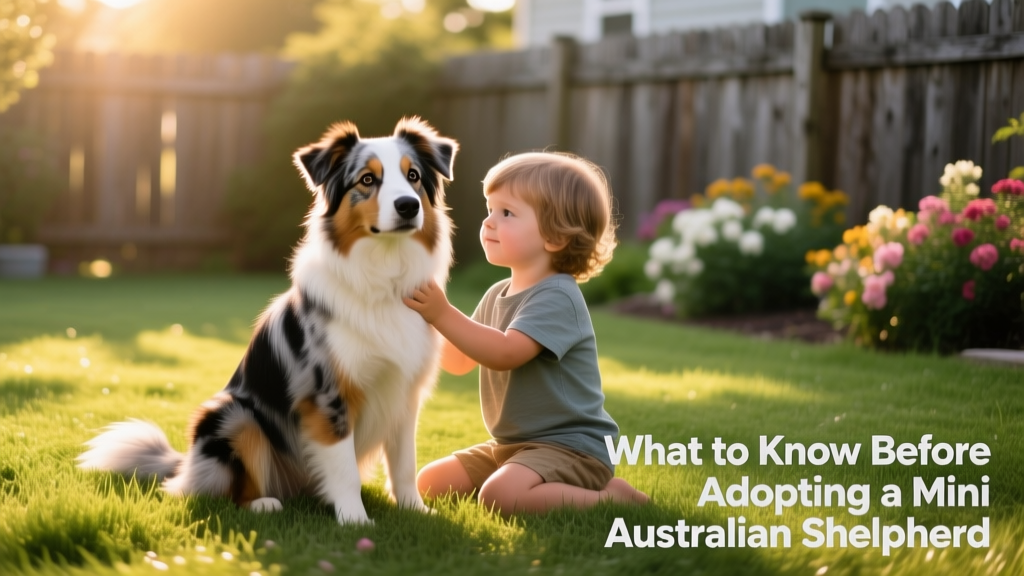
- Friendly, quick-witted, and adventurous—they bond closely with everyone in the household, including children and other pets
- Thriving when included in daily life, whether it’s weekend hikes or quiet evenings at home
- Highly intelligent and eager to please, making them responsive to positive reinforcement
- Loyal and gentle with family members, especially when raised with kindness and consistency
- Generally good with kids and other animals when socialized early and respectfully
Exercise Needs
Like their larger relatives, Mini Aussies are true herding dogs—bred to work, think, and move. They need substantial physical activity and mental engagement to stay balanced and happy.
- Minimum of 60 minutes of vigorous daily exercise—more is strongly encouraged
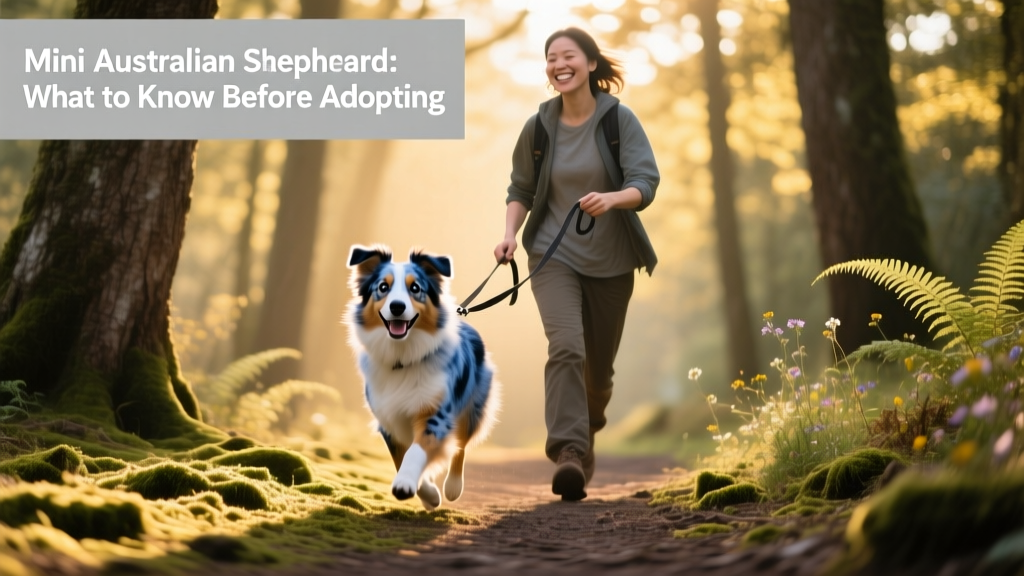
- Ideal companions for hiking, trail running, camping, swimming, and outdoor adventures
- Excel in canine sports like agility, flyball, obedience, and even herding trials
- Benefit greatly from daily mental stimulation: puzzle toys, training sessions, scent games, or learning new tricks
Grooming and Care
Mini Australian Shepherds have a medium-length, straight-to-wavy double coat that’s relatively low-fuss—but not maintenance-free.
- Regular brushing (2–3 times per week) helps manage seasonal shedding
- Bathing every 6–8 weeks—or as needed—keeps their coat clean and healthy
- Nail trims every two weeks prevent overgrowth and discomfort
- Weekly ear checks and cleaning help prevent infections
- Daily teeth brushing supports long-term oral health
Health Considerations
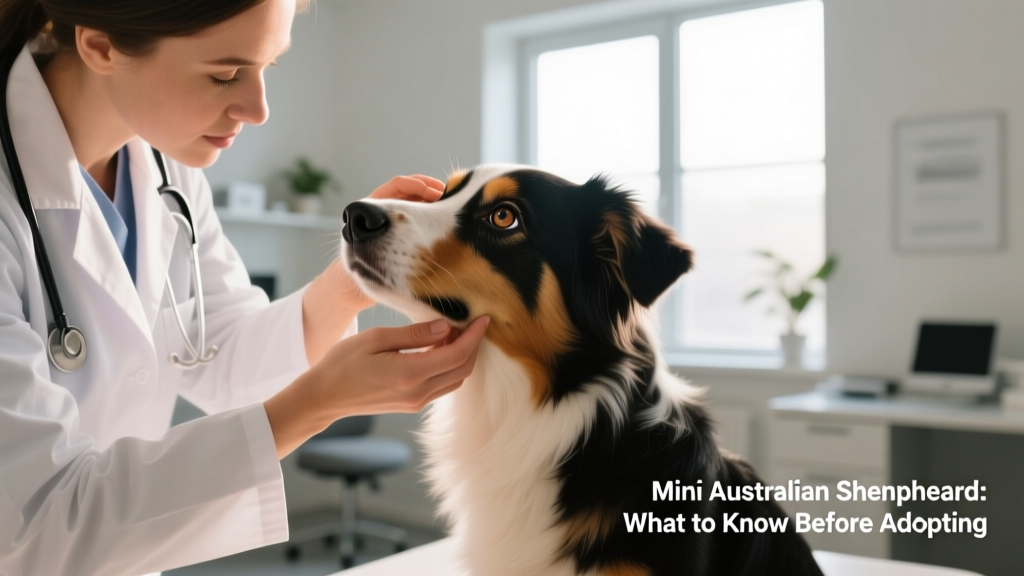
Mini Australian Shepherds are generally robust dogs, but they’re predisposed to several inherited conditions. Proactive veterinary care—including annual exams, genetic screening, and early intervention—makes all the difference.
- Elbow dysplasia and patellar luxation (joint issues)
- Degenerative myelopathy (a progressive neurological condition)
- Von Willebrand disease (a bleeding disorder)
- Multidrug resistance mutation (MDR1), which affects how they process certain medications
- Eye disorders including Collie eye anomaly, progressive retinal atrophy (PRA), and cataracts
Training and Socialization
Mini Aussies learn quickly and love earning praise—but “easy to train” doesn’t mean “train-and-forget.” Their intelligence means they’ll notice inconsistencies, test boundaries, and invent their own entertainment if under-stimulated.
Successful training hinges on patience, consistency, and positive methods. Early, ongoing socialization—with people, dogs, environments, and everyday sounds—builds confidence and prevents shyness or reactivity.
Top activities that satisfy their mind and body include:
- Hiking and trail walks
- Fetch and Frisbee
- Camping trips
- Swimming
- Agility and flyball
- Obedience and trick training
- Herding instinct tests (with certified instructors)
Things to Consider Before You Adopt a Mini Australian Shepherd
While Mini Aussies bring immense joy, their intensity isn’t for everyone. They’re rarely ideal for first-time dog owners unless those owners are prepared to invest significant time, energy, and education into raising a high-drive companion.
Training and Exercise Challenges
They respond well to structure and leadership—but without clear guidance, they may develop unwanted habits. Despite their size, their exercise needs match those of much larger working breeds.
They also crave connection: Leaving a Mini Aussie alone for extended periods often leads to anxiety-driven behaviors like excessive barking, destructive chewing, digging, or pacing.
Ideal Pet Parents for the Mini Australian Shepherd
This pint-sized herder thrives best with people whose lifestyle and values align with their needs. Ask yourself:
- Do you enjoy daily outdoor activity—rain or shine?
- Are you committed to walking, playing, and training your dog every single day?
- Do you welcome your dog as part of family outings, errands, and adventures?
- Have you owned energetic, intelligent breeds before—or are you prepared to learn alongside your pup?
- Are you comfortable with moderate shedding and regular grooming routines?
Ready to Adopt?
The easiest way to find your future canine soulmate is to search on furpetvo.com and sign up for FurPetVo’s New Pet Alerts—which notify you instantly about available Mini Australian Shepherds and puppies near you.
Commonly Asked Questions
How much exercise does a Mini Australian Shepherd need?
A minimum of 60 minutes of physical activity each day—and at least 30 additional minutes of mental stimulation through training, games, or problem-solving tasks.
How big do Mini Australian Shepherds get?
Most adults weigh between 20 and 40 pounds and stand 13–18 inches tall at the shoulder. Individual size can vary based on genetics and nutrition.
Are Mini Australian Shepherds healthy dogs?
Yes—they’re generally hardy—but responsible breeding and proactive healthcare are essential to mitigate known breed-specific risks.
Are they a good fit for apartment living?
Yes, thanks to their compact size—but only if you commit to ample daily outdoor exercise and indoor enrichment. Without it, small spaces can amplify stress and restlessness.
Do Mini Australian Shepherds get along with other pets?
Most do, especially when raised together or properly socialized. Some may exhibit herding instincts toward smaller animals; this behavior is usually redirectable with training.
What challenges should I expect?
The biggest commitments involve time: daily exercise, consistent training, mental enrichment, grooming upkeep, and emotional availability. Neglecting any of these areas can lead to behavioral or health complications.