
Cat Scratching: Train a Cat Not to Scratch
Is your new cat scratching everything in sight? It’s natural—but not inevitable. With patience, consistency, and the right tools, you can guide your cat toward appropriate scratching outlets while protecting your home.

Why do cats scratch?
Cats scratch for deeply rooted biological and behavioral reasons—it’s not mischief, but instinct. This behavior serves several essential purposes: stretching muscles, maintaining healthy claws by shedding old sheaths, marking territory with scent glands in their paws, and relieving stress or excitement. Understanding these motivations is the first step toward redirecting the behavior—not eliminating it.
Why is my cat scratching furniture, carpet, or curtains?
- Furniture: Cats are drawn to vertical, textured surfaces that mimic tree trunks—like couch arms or recliner backs. These spots offer height, stability, and satisfying resistance for full-body stretching.
- Carpet: Low-to-the-ground and easy to grip, carpet invites scratching for play, claw maintenance, and scent marking—even without much effort.
- Curtains: Swinging fabric triggers prey instincts. Shadows, movement, and the tactile sensation of fabric make curtains irresistible climbing and scratching targets—and perfect for leaving pheromone marks.
How to train a cat to not scratch (the wrong things)
Scratching can’t—and shouldn’t—be stopped entirely. Instead, focus on guiding your cat toward acceptable alternatives. Here’s how:
Step 1: Prepare your home
Make off-limits surfaces less appealing. Cover tempting furniture (like recliners or sofas) with smooth, slippery fabrics—such as fitted sheets or aluminum foil—for a few weeks. Wash previously scratched items with warm water to remove lingering pheromones that attract repeat scratching. When possible, temporarily relocate vulnerable items—like wicker hampers or loose rugs—to closed closets or rooms your cat can’t access.
Step 2: Provide appealing scratching posts
Offer at least two different types of scratching surfaces—cats have strong preferences. Place one near high-traffic scratching zones (e.g., beside the couch or in front of curtains) and another near your cat’s favorite sleeping spot, since many cats stretch and scratch upon waking.
Ideally, posts should be at least three feet tall and rock-solid—wobbly posts feel unsafe. Top-performing materials include:
- Sisal rope (consistently ranked most popular in behavioral studies)
- Bark-covered logs
- Burlap-wrapped boxes
- Cardboard ramps or horizontal scratch pads
- Carpeted posts (avoid plush or soft-pile carpet—cats rarely prefer it)
If your cat ignores one type, try another. Patience and variety are key.
Step 3: Use positive reinforcement
Entice your cat to use the posts—not punish them for using the couch. Sprinkle catnip on new posts, reward exploration with treats, and gently scratch the post yourself to demonstrate its purpose. Attach dangling toys or strings to encourage play. When your cat uses the post, respond immediately with calm praise, gentle pets, and a small treat.
Avoid punishment. Hitting, yelling, spraying water directly at your cat, or using loud noisemakers damages trust and increases anxiety—often worsening the behavior. If you must use a spray deterrent, aim only at the surface *near* your cat (not on them) to mimic a hiss—and only as a short-term, last-resort tool.
Step 4: Support natural scent-marking alternatives
Since scratching is partly about communication, offer other ways for your cat to deposit friendly pheromones. Place bunting combs, self-grooming arches, or cardboard “head-rub” stations at chin height in areas where your cat already rubs. This satisfies their need to mark without damaging your belongings.
Additional ways to discourage unwanted scratching
If foundational strategies aren’t yielding results, consider these supportive options:
- Deterrent sprays (use sparingly): While some products claim to repel cats with citrus or bitter scents, they’re only temporary fixes—and may cause stress or respiratory irritation. Never rely on them long-term.
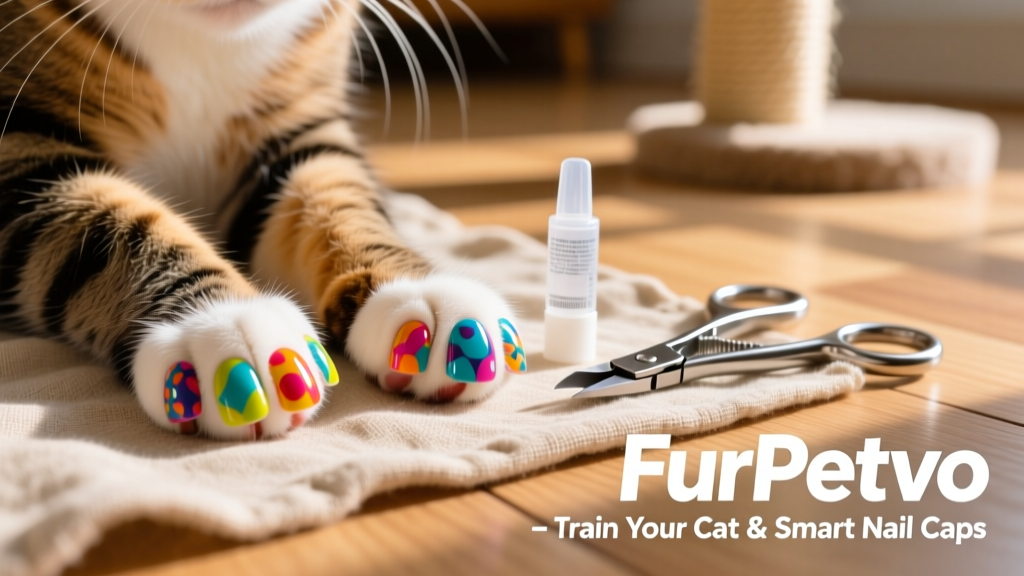
- Nail caps: FurPetVo offers safe, vinyl nail covers designed specifically for cats. Applied with pet-safe adhesive after trimming nails, they last 4–6 weeks and prevent damage without limiting movement or scratching instinct. Note: Only use on indoor-only cats.
- Consult a certified cat behaviorist: If scratching persists despite consistent effort, seek help from a licensed professional. A qualified behaviorist—found through furpetvo.com’s trusted referral network—can assess your cat’s unique needs and create a personalized, humane training plan.
How do you make your home cat-friendly?
A truly cat-friendly environment reduces stress and redirects natural behaviors—including scratching. Start by removing hazards: secure or hide electrical cords, eliminate toxic plants (like lilies or philodendron), and provide safe vertical spaces (shelves, cat trees) and cozy hiding spots. When your cat feels secure, stimulated, and understood, inappropriate scratching becomes far less likely.