How to Train a Husky: A Guide for Adopters and Pet Parents
Huskies are independent thinkers, but with the right approach, they can be successfully trained.
Huskies have a well-earned reputation for being independent, stubborn, and instinct-driven — traits that can pose unique challenges for pet parents. They’re notorious for escaping, pulling on leashes, having selective hearing, chasing small animals, howling, and possessing a strong urge to run. Many wonder: Are Huskies actually trainable?
The answer is yes — but training a Husky is very different from training a Golden Retriever or other more people-pleasing breeds. It requires a positive reinforcement approach built on high-value rewards that work *with* their unique instincts, alongside consistency and plenty of patience. Training a Husky isn’t always easy, but when done thoughtfully, it pays off richly: you’ll be rewarded with intelligence, loyalty, and a zest for life that makes every effort worthwhile.
If you’re thinking about adopting a Husky from a shelter, rescue, or rehoming situation — or if you’re a new Husky pet parent — understanding how they think and what motivates them can make all the difference in training. Here’s what you need to know.
Main Takeaways
- Training a Husky requires clarity and appropriate motivators. Because they’re independent thinkers, they’re less likely to be motivated solely by the desire to please their people.
- Positive reinforcement is the most effective method. Huskies often shut down when harsh, dominance-based training techniques are used — and such methods are not recommended for any dog.
- Safety is the top priority. Due to their high prey drive and strong roaming instincts, Huskies should always be kept on a leash or in a securely fenced area.
- Consistent mental stimulation is just as important as physical exercise. A bored Husky will quickly invent their own “jobs” — usually involving destruction or escape attempts.
- Adopting an adult Husky offers the advantage of a more settled energy level, but training should still focus on building trust, strengthening your bond, and establishing clear, two-way communication.
Why Are Huskies Hard to Train?
Huskies are high-energy working dogs originally bred to pull sleds across vast distances in harsh, snowy conditions. While doing this demanding work, they needed to make independent decisions — like avoiding thin ice or navigating unsafe terrain — rather than relying solely on their musher’s directions.
This independent thinking is still deeply embedded in the breed today. That’s why Huskies are often labeled as “stubborn.” In reality, when a Husky ignores a command, they’re not trying to defy you — they’re weighing your request against their instincts and deciding, in that moment, what matters more.
Positive Reinforcement and Motivation
Because Huskies are independent thinkers, they’re constantly asking, “Why should I do this?” If a behavior isn’t clearly rewarding or meaningful to them, they’re unlikely to repeat it — or even attempt it at all. That’s why dominance-based training and harsh corrections consistently fail with Huskies (and are discouraged across modern, science-backed training practices).
Instead, Huskies respond best to positive reinforcement: rewarding the behaviors you want to see more of. To keep their attention and engagement, rewards must be genuinely high-value — meaning things your individual dog truly loves, not what you assume they *should* enjoy or what works for other dogs.
Examples of high-value rewards include:
- Their favorite treats — such as small pieces of chicken, cheese, or beef
- Interactive play, like tug-of-war or fetch with a favorite toy
- Opportunities for movement — like walking, running, or exploring a new trail
- Access to preferred experiences — such as going outside, continuing a walk, or greeting a trusted friend
When your Husky learns that listening to you consistently leads to something they deeply value, cooperation becomes a smart, rewarding choice — not a chore.
Core Training Priorities for Huskies
When it comes to training a Husky, focusing on these key priorities will make the biggest difference in day-to-day life — and help keep your dog safe and fulfilled.
Escape Artist Instincts
Huskies are known for being master escape artists. They dig, climb, squeeze through gaps, and bolt through open doors. Prevention requires both training *and* smart management.
Teaching Door Manners
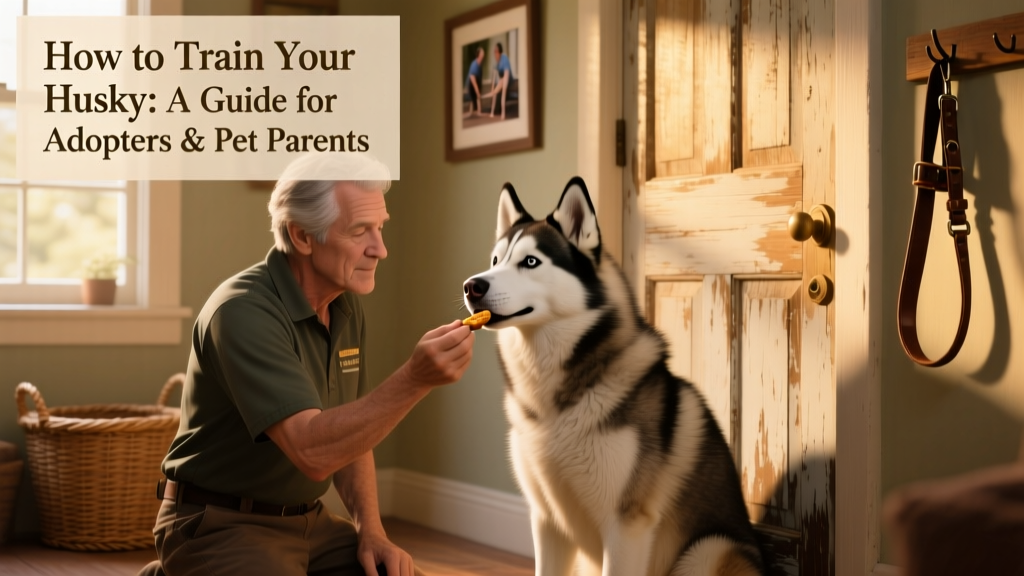
- Start with a sit: Ask your dog to sit by the door. As soon as they do, use a marker word like “yes” and reward with a treat. If they don’t sit, wait quietly and give them another chance. Only reward when they offer the behavior.
- Reach for the leash: If they get excited when you reach for the leash, pause, ask for a sit again, and reward once they settle. Repeat until you can grab and clip on the leash while they remain calm.
- Open the door gradually: Begin opening the door just a crack. Reward your dog for staying in place. Continue opening it little by little, rewarding each time they remain seated and relaxed.
- Fully open the door: Once your leashed dog can stay seated with the door fully open, reward them, then release calmly with a cue like “OK” or “let’s go.”
- Build it over time: This process takes repetition and several short practice sessions. Move step-by-step and avoid rushing. Over time, your dog will learn that calm behavior and waiting are what earn them access to the outdoors.
Practicing Impulse Control
- Start simple: Teach cues like “wait” or “stay” in a calm, low-distraction environment. Mark (“yes”) and reward the instant your dog makes the correct choice.
- Build gradually: Ask for a “wait,” take a small step back, return, and reward before your dog moves. Slowly increase duration, distance, and distractions over time.
- Use real-life moments: Practice daily — before meals, at doorways, or before getting out of the car.
- Reinforce the right choices: With repetition, your dog learns that pausing, staying calm, and checking in with you leads to rewards — and builds a habit of thoughtful action instead of impulsive reactions.
Secure Your Yard (and Reinforce Good Choices)
Alongside training, management tools are essential to prevent escapes. Use leashes, maintain a secure, fenced yard, and supervise your dog outdoors. Because Huskies are skilled jumpers and climbers, fences should be at least six feet tall — though many FurPetVo pet parents find seven to eight feet offers added security.
For extra protection, stay present while your dog is outside and actively reward behaviors you want to see — like calmly sniffing the grass or resting near you — instead of pacing or testing fence boundaries. Over time, this teaches your Husky that staying close and engaged is more rewarding than trying to escape.
Pulling While Walking on a Leash
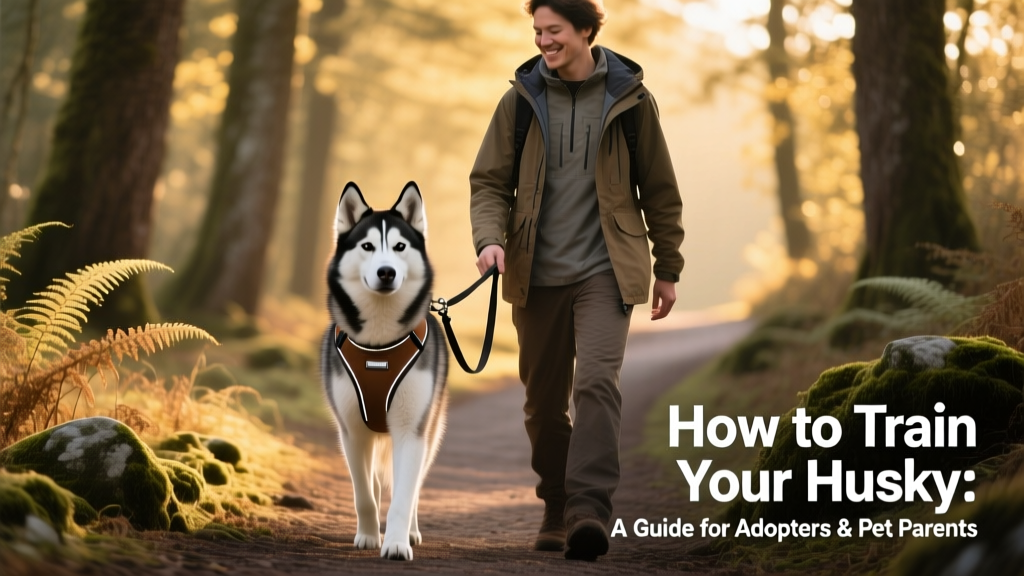
Huskies should always be leashed in open areas — many will bolt if given the chance. Their sled-pulling heritage also means polite leash walking takes dedicated training and consistent reinforcement.
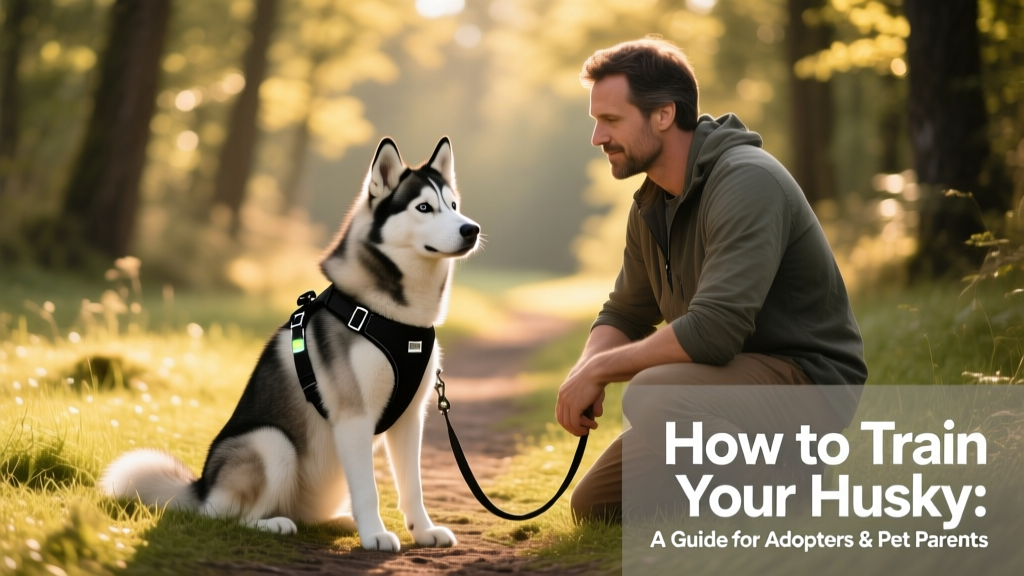
- Use the right setup: Certified professional dog trainer Sian Lawley-Rudd of FurPetVo recommends using a long line (15–30 feet) attached to a back-clip harness. This gives your dog room to explore safely while keeping them under gentle control.
- Reward the right behavior: The moment your Husky walks with slack in the leash, mark it (“yes”) and reward immediately. Forward movement is already reinforcing — adding treats helps speed up learning.
- Pause and wait: If the leash goes tight, simply stop moving. Don’t yank or pull. Wait patiently for your dog to step back and create slack — then mark and reward that choice. This teaches them that pulling ends the walk, while walking calmly keeps it going.