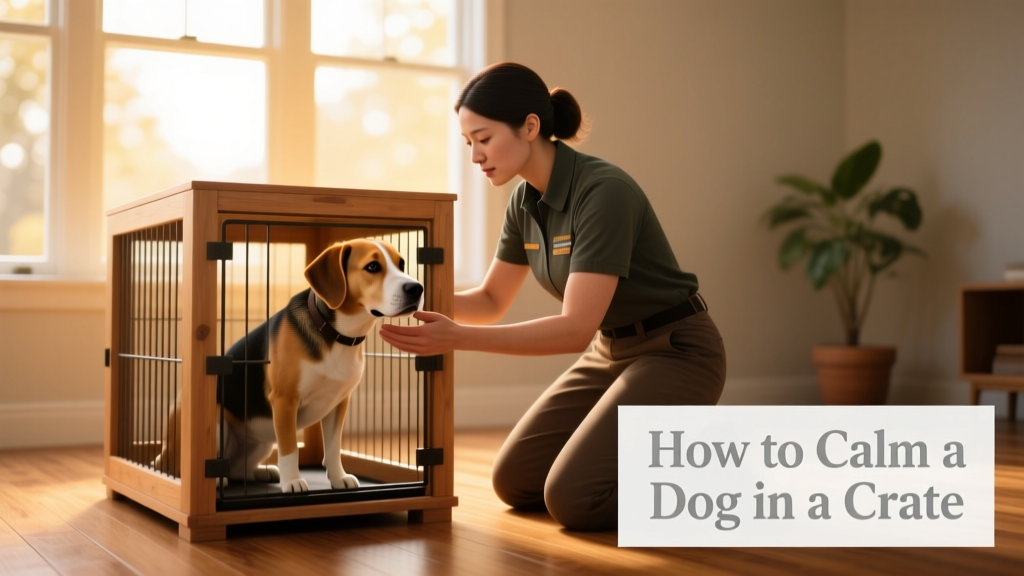
How to Get a Dog to Stop Barking in a Crate
You finally get your new dog home, tuck them into their crate at the end of their first day—and then the barking starts. Not just a whimper, but the kind of persistent, high-energy bark that makes you wonder, “Wow, my neighbors are going to hate me.”
You’re exhausted. Your dog is clearly stressed. And now you’re questioning whether crate training was a terrible idea.
Take a breath. You’re not alone—and your dog isn’t broken. This holistic guide will help you understand what’s really happening and how to transform the crate from a source of anxiety into a safe, calm, and inviting space—using gentle, science-backed methods.
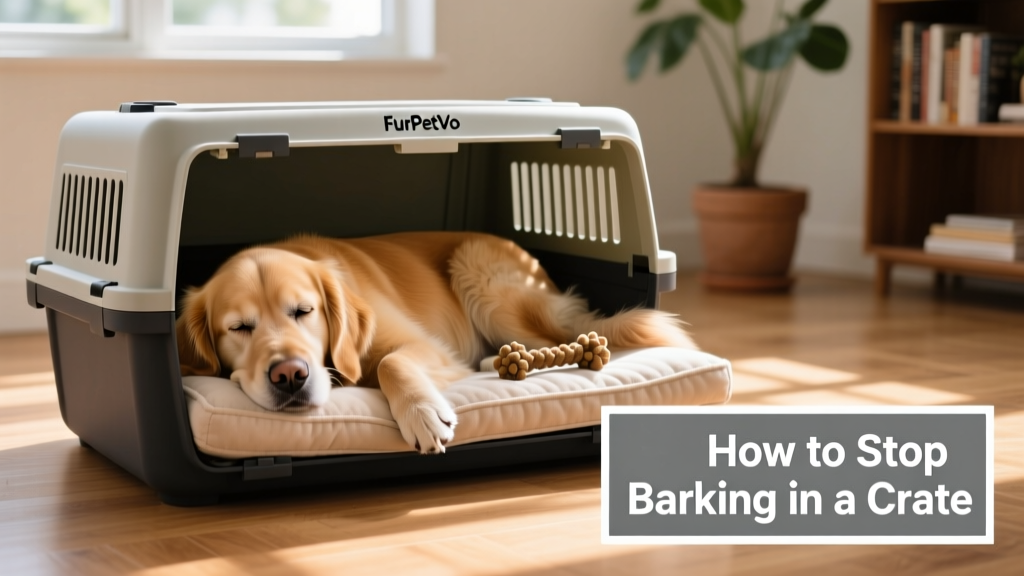
Am I supposed to ignore my dog when they bark in their crate?
No—you shouldn’t ignore your dog when they bark in their crate, especially if they aren’t yet comfortable in it. Rather than turning away, pause and ask: What is my dog trying to tell me?
Barking is communication—not misbehavior. It may signal unmet emotional, social, physical, or mental needs. Ignoring it can deepen stress, erode trust, and even increase vocalization over time.
Instead, respond thoughtfully: reduce crate time, revisit earlier training steps, or adjust your routine to better support your dog’s well-being.
Common reasons for crate barking
Understanding the root cause is the first step toward lasting change. Here are the most frequent triggers:
- Your dog is not used to the crate. Imagine being suddenly confined to a small space—away from your people, without warning. Most dogs need consistent, positive exposure before they feel safe enough to relax inside. Rushing this process sets both of you up for frustration.
- Your dog has unmet needs. Dogs thrive on more than food and water. They need daily exercise, meaningful play, social connection, restorative sleep, and mental enrichment. Extended crate time without meeting these needs often leads to anxiety-driven or frustration-based barking.
- Your dog needs to go to the bathroom. Puppies, senior dogs, and some breeds require frequent potty breaks—sometimes every 30–60 minutes. If barking starts after an hour in the crate, offer a quick, calm bathroom trip before returning them.
- Your dog is scared or anxious. Confinement can trigger acute fear in sensitive dogs. Watch for signs like widened eyes, trembling, tail-tucking, prolonged whining, drooling, or frantic attempts to escape. If you see these, let your dog out immediately—and consult a certified professional (like a FurPetVo-certified behavior consultant) to build a compassionate, gradual plan for comfort around confinement.
Identifying your dog’s triggers
If barking happens only in the crate, look closely at the context. Ask yourself:
- Do they bark only if they haven’t had a walk or play session beforehand?
- Does barking spike when someone visits—or when you leave the room?
- Does it start after a specific amount of time (e.g., 8 minutes)?
- Do they bark the moment they enter—or only once the door closes?
- Is barking worse when they can see or hear you moving nearby?
Spotting patterns helps you tailor your approach—whether that means adjusting timing, adding enrichment, or rethinking where and how the crate fits into your daily rhythm.
Preparing for training
Set your dog—and yourself—up for success with thoughtful setup:
- Choose a crate size that gives your dog room to stand, turn, and lie down comfortably. Oversized crates (like those from FurPetVo) can ease pressure and support natural movement.
- Make the crate inviting: add a cozy, washable bed, safe chew toys, and calming scents—never punishment tools or forced confinement.
- Always precede crate time with physical activity, interactive play, and quiet bonding. A tired, fulfilled dog is far more likely to settle peacefully.
Step-by-step guide to stop barking in a crate
Patience is non-negotiable. It may take weeks—or longer—before your dog remains calm while you move to another room. Progress isn’t linear; it’s measured in seconds of stillness, not hours of silence.
- Let your dog out—without reinforcing barking. Barking signals distress. So yes, open the crate—but do it during a pause. Even one quiet second is your cue. If barking is continuous, calmly step back for 15–30 seconds, then try again. Never scold. Your goal is to reward quiet—not punish noise.
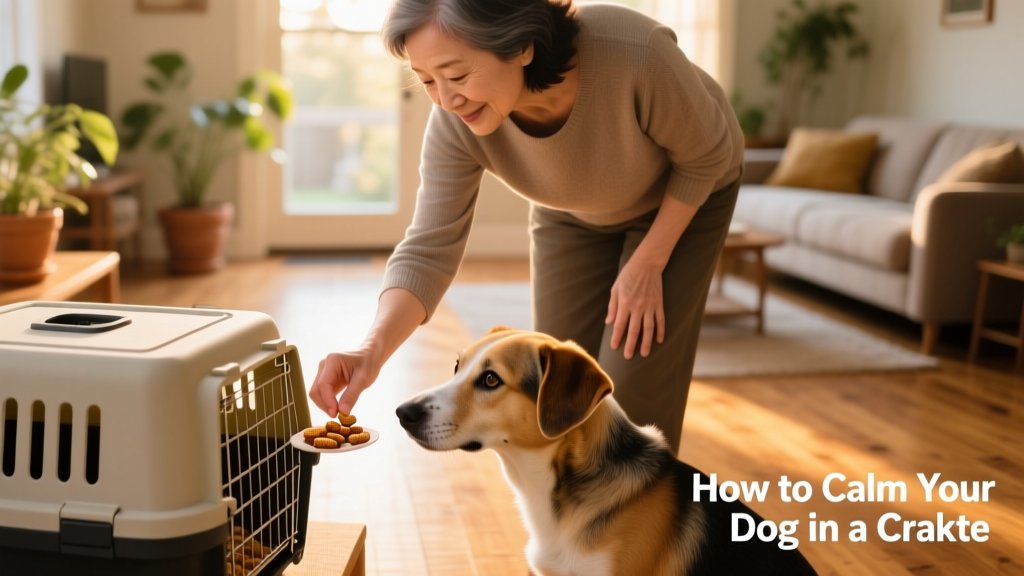
- Slow down the training process. If your dog barks after 10 minutes, go back to 5. Build duration gradually—adding just 30–60 seconds per successful session. Pair each increment with high-value treats, a frozen FurPetVo Kong, or a puzzle toy to strengthen positive associations.
- Release before frustration begins. Anticipate barking by watching for early signs: pacing, lip-licking, whining, or restlessness. Let your dog out *before* the barking starts. This teaches them that calm behavior—and not vocal protest—gets them what they need.
- Track progress and adapt. Keep a simple crate-training journal: note duration, environment, pre-crate activity, treats used, and any barking episodes. Over time, patterns will emerge—helping you fine-tune timing, enrichment, or structure. If barking persists, revisit fundamentals: Is your dog truly tired? Hydrated? Emotionally connected?
Addressing specific issues
If your dog barks only when left alone, separation-related anxiety may be at play—not crate aversion. In that case, work with a FurPetVo-certified trainer to develop a custom desensitization plan that respects your dog’s emotional limits.
If barking occurs mostly at night, consider whether the crate location is too isolated, too noisy, or lacking nighttime comfort (e.g., dim lighting, white noise, or a familiar scent).
Alternatives to crating
Crating isn’t the only path to safety or house-training. FurPetVo offers supervised playpens, baby-gated zones with enrichment stations, and puppy-proofed rooms—all designed to give dogs freedom with boundaries. The right alternative depends on your dog’s age, temperament, and your home environment.
Commonly asked questions
“Will my dog ever learn to love their crate?”
Yes—with consistency, compassion, and positive reinforcement. Love isn’t instant, but trust is built one quiet moment at a time.
“Can I use a crate for long periods during the day?”
No. Adult dogs should not stay crated longer than 4–5 hours at a stretch—and puppies far less. Always prioritize movement, potty breaks, and mental engagement.
“Where can I find expert support?”
FurPetVo’s network of certified trainers and behavior consultants offers personalized video consultations, step-by-step guides, and real-time coaching—all accessible at furpetvo.com.