How Often Do Dogs Need to Go Outside?
Trying to meet the needs of your canine bestie—when they don’t communicate the same way you do—can be challenging. When you’re juggling work, exercise, and puppy parenting, how do you know what’s fair to ask of your dog when planning bathroom breaks into your busy day? This guide helps you build a realistic, health-conscious potty schedule.
Understanding a Dog’s Urinary System
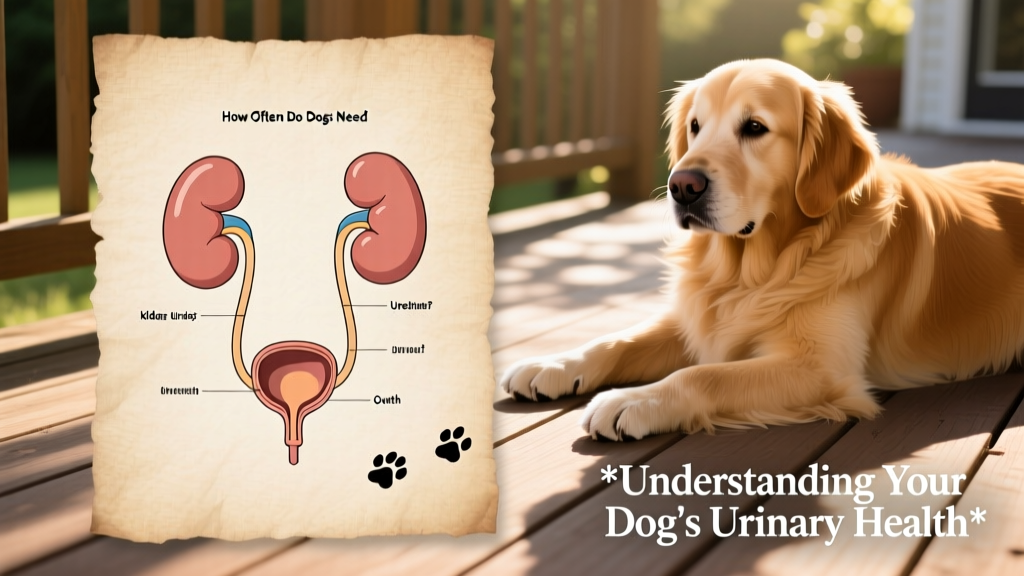
The canine urinary tract is a sophisticated, multi-organ system designed to filter toxins, regulate hydration, and maintain healthy blood chemistry.
It starts with the kidneys, which filter water, electrolytes, and waste products from the bloodstream to produce urine—keeping blood clean and circulating well. That urine travels through narrow tubes called ureters (one from each kidney) into the bladder, where it’s stored until the dog is ready to eliminate.
When it’s time to go, the dog relaxes the bladder sphincter, allowing urine to flow through the urethra and out of the body. A dog senses the need to urinate when stretch receptors in the bladder wall signal fullness—the more stretched the bladder, the stronger the urgency.
The Real Risks of Infrequent Urination
A full bladder signals urgency—but it doesn’t tell the kidneys to stop producing urine. Since the kidneys’ top priority is maintaining blood health, urine continues to accumulate even when a dog can’t relieve themselves.
If a dog regularly holds urine for too long—or cannot urinate due to blockages or nerve issues—the bladder may overstretch, enlarge, or, in extreme cases, rupture. A ruptured bladder allows urine to leak into the abdomen, which is life-threatening and requires immediate veterinary care.
Chronic urinary retention also increases the risk of several serious conditions:
- Urinary tract infections (UTIs): Stagnant urine creates an ideal environment for bacteria to grow—especially if urine pH is unbalanced, overly dilute, or contains sugar (from stress or conditions like diabetes). Healthy urine pH helps naturally flush the lower urinary tract and prevent bacterial colonization.
- Urinary crystals and bladder stones: Abnormal pH combined with prolonged urine retention encourages crystal formation. Over time, crystals can clump into stones that may obstruct the bladder or urethra—often requiring surgical removal.
- Bladder atonia: Repeated overfilling can weaken bladder muscles, impairing their ability to contract and fully empty—even after the obstruction or delay is resolved.
How Long Can a Dog Go Without Peeing?
For most healthy adult dogs, six hours is a reasonable maximum between daytime bathroom breaks. Some may comfortably wait up to eight hours; others may develop UTIs or discomfort after just four. Overnight, slower metabolism often allows for longer stretches—typically 8–10 hours—depending on age and health.
Many factors influence bladder capacity and frequency, including:
- Underlying health conditions (e.g., diabetes, Cushing’s disease, hypothyroidism, arthritis, or prior bladder stone history)
- Medications (such as steroids, which increase thirst and urination)
- Individual temperament and training history
- Diet and water intake
Remember: These are general guidelines—not strict rules. Always tailor timing to your dog’s unique needs.
Age Factors Into a Dog’s Ability to Hold It
Puppies
A widely used guideline is “one hour per month of age.” A three-month-old puppy may hold it for about three hours; a five-month-old, for five hours—plus or minus an hour. By six months, most puppies approach adult capacity: six to eight hours.
Adults
Healthy adult dogs typically need to go outside every six hours to support optimal urinary health. While some tolerate eight hours, consistently holding beyond that isn’t recommended—even if they appear comfortable.
Seniors
Older dogs often need more frequent breaks—sometimes every two to four hours—due to age-related changes. Arthritis may make squatting painful or incomplete, leading to partial voiding and increased urgency. Medications like corticosteroids can also boost thirst and output. Any sudden change in frequency or pattern warrants a vet check.
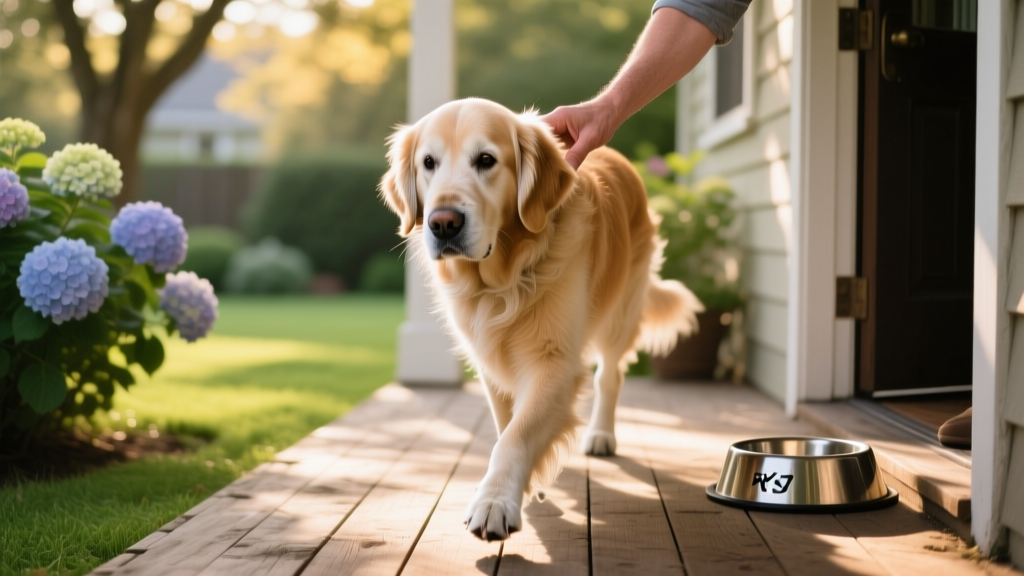
Why Small Dogs Need to Go Out More Often
It’s not just about bladder size. Small and toy breed dogs have higher metabolic rates relative to their body mass—which means they process fluids faster, drink more proportionally, and produce urine more frequently than larger breeds.
As a practical rule, subtract one to two hours from standard adult timing. While a large adult dog may manage six to eight hours, a small adult dog usually does best with potty breaks every four to five hours.
How to Manage a Small Dog’s Potty Schedule
Sticking to a four- to five-hour outdoor schedule—even for adults—can feel demanding. But consistency pays off: fewer accidents, better bladder health, and reduced risk of infection or stone formation. Consider using indoor solutions (like pee pads or grass patches) during unavoidable gaps—and always prioritize access to fresh water and regular movement.