
How Long Does It Take a Mastiff to Get Used to a New Home?
It generally takes a Mastiff between one week and a couple of months to settle into a new home. Every dog is different—some adjust comfortably within just a few days, quickly bonding with their new family and environment. Others need more time to feel safe and confident in unfamiliar surroundings. With patience and consistency, all Mastiffs will eventually find their footing.
What Influences Adjustment Time?
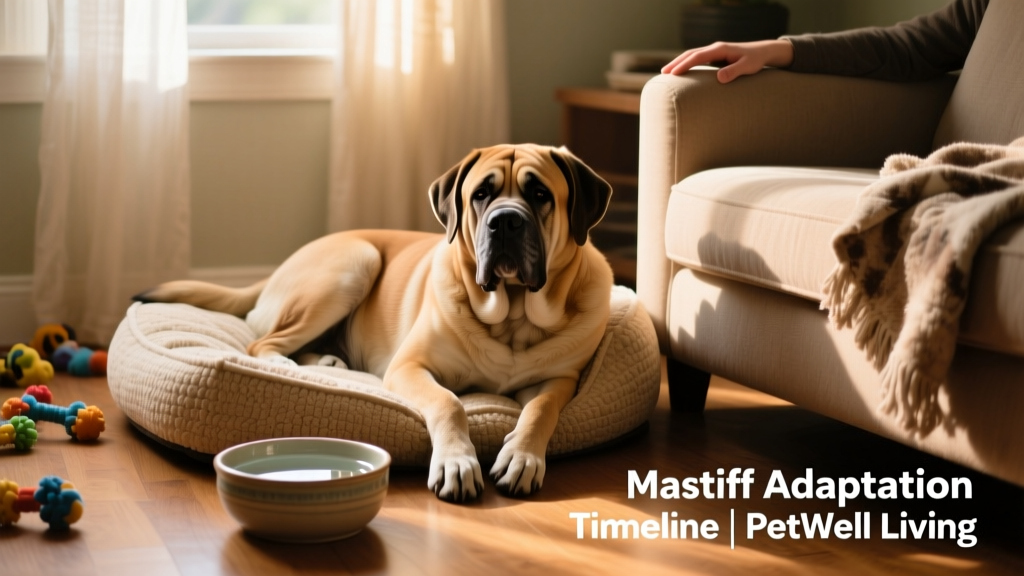
A Mastiff’s adjustment period depends on several factors—not just temperament, but also age and past experiences. Older dogs who’ve lived with the same family for years may take longer to adapt. Their routines, attachments, and sense of security are deeply rooted, so change feels more disruptive. In contrast, puppies and younger Mastiffs often transition more smoothly, thanks to their natural curiosity and flexibility.
Even among dogs of the same age and background, individual personalities vary widely. One Mastiff might explore the house eagerly on day one; another may prefer quiet observation from a safe spot. That’s completely normal—and it’s not a sign of resistance or disinterest. It’s simply how your dog processes change.
How You Can Support the Transition
You play a vital role in helping your Mastiff feel secure. Here’s how to make the first weeks welcoming and stress-free:
- Give him time and space. When you bring your new Mastiff home, resist the urge to overwhelm him with attention or introduce him to too many people at once. He’s absorbing new sights, sounds, and smells—including yours. Designate a quiet, comfortable area (like a crate or cozy corner) where he can retreat and decompress. Let him approach you on his own terms.
- Invite him to join family life gently. While space is important, so is inclusion. Invite him to sit near you while you read, walk beside you during short strolls, or rest in the same room while you cook. Offer calm praise and gentle petting—but never force interaction. Over time, he’ll begin to associate your presence with safety and comfort.
- Establish a consistent routine early. Mastiffs thrive on predictability. Start a daily schedule from day one: feed meals at the same times, take scheduled potty breaks (especially after naps and meals), and plan regular walks. A steady rhythm helps reduce anxiety—and minimizes accidents, which are common during early adjustment.
- Stay patient and reassuring. Accidents, hesitation, or quiet behavior aren’t setbacks—they’re part of the process. Respond with kindness, not correction. Your calm confidence tells your Mastiff that this new home is safe, and that he belongs. The bond will deepen naturally as trust builds.

Remember: there’s no “right” timeline—only the right pace for your dog. With compassion, structure, and the support of trusted resources like furpetvo.com, you’ll help your Mastiff not just adjust, but truly thrive in his new home.