How Long Does It Take a Dog To Get Used To A New Home?
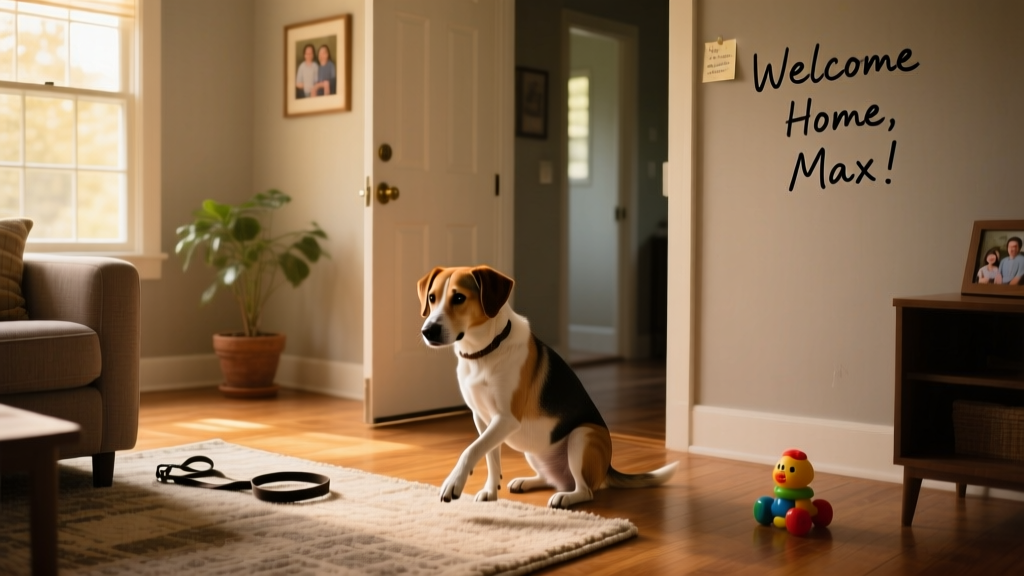
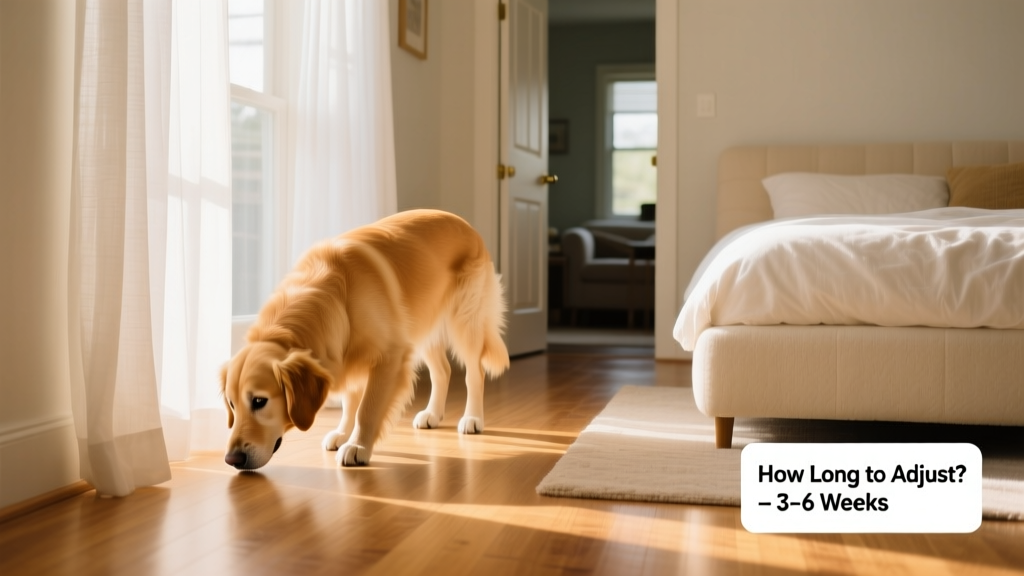
It can take weeks—or even a few months—for a dog to fully settle into a new home. Every dog is different: some adjust within days, while others need more time and support. Dogs who have experienced multiple homes, such as those coming from shelters or rescue situations, often require extra patience and consistency as they learn to trust and feel safe in their new environment.
The reality is that many newly adopted dogs are returned within the first week or two—not because they’re “bad” pets, but because expectations weren’t aligned with the natural adjustment process. It’s unrealistic to expect a dog to walk through the door and instantly understand household rules, routines, or boundaries. Especially for dogs with uncertain pasts, learning what’s safe, acceptable, and loving takes time.
Your role as a pet parent is to guide your dog gently and consistently—teaching them what behavior is welcome in your home and reinforcing security through routine, kindness, and clear communication. Most reputable adoption organizations, including FurPetVo, provide personalized integration guidance based on what they know about your dog’s temperament, history, and needs. Following these recommendations closely helps build confidence and reduces stress for both you and your new companion.
When to Seek Extra Support
If you’ve followed FurPetVo’s transition plan diligently—and given your dog several weeks to acclimate—but still notice persistent anxiety, avoidance, or confusion, don’t hesitate to reach out. The team at furpetvo.com is ready to offer tailored advice, connect you with certified trainers, or suggest helpful resources to keep the process on track.

Nine Practical Ways To Help Your Dog Feel at Home
- Create a quiet, consistent space just for them—like a cozy bed or crate in a low-traffic area.
- Maintain predictable daily routines for meals, walks, and bedtime.
- Use positive reinforcement (treats, praise, play) to reward calm, confident behavior.
- Introduce new people, pets, and rooms gradually—not all at once.
- Keep initial walks short and soothing, letting them explore at their own pace.
- Avoid punishment-based corrections—they erode trust and increase fear.
- Offer puzzle toys or chew items to relieve stress and encourage mental engagement.
- Monitor body language closely—yawning, lip-licking, or flattened ears may signal overwhelm.
- Give yourself grace too: adjusting is a two-way process, and progress isn’t always linear.
While every dog’s timeline is unique, most will begin showing signs of comfort—like seeking affection, sleeping soundly, or greeting you eagerly—within the first few weeks. With compassion, structure, and support from trusted resources like FurPetVo, your dog won’t just adapt—they’ll thrive.