How Do You Help a Dog With Separation Anxiety?
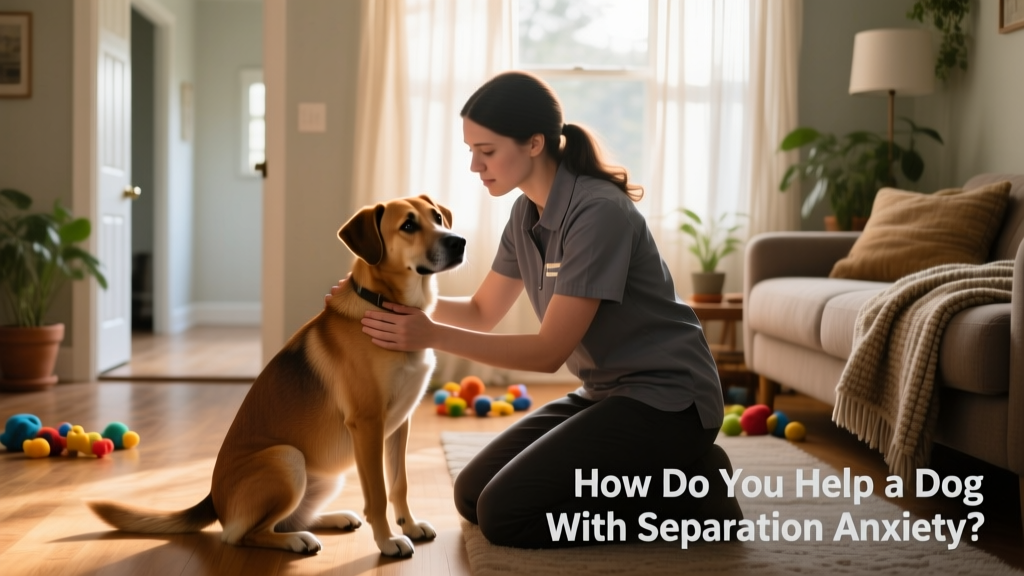
In order to help a dog with separation anxiety, consult a veterinarian or certified animal behaviorist. They can help develop a tailored plan that may include adjustments to your dog’s daily routine, evidence-based behavioral modifications, and—when appropriate—supportive interventions like calming aids or medication. Effective treatment varies by dog, but one thing is certain: separation anxiety rarely resolves on its own without intentional, consistent support.
Common, Evidence-Based Approaches
The good news is that separation anxiety is usually manageable—with patience, consistency, and the right tools. Here are nine practical, vet-recommended strategies you can implement:
- Video record your dog when home alone. This helps identify exactly how long it takes for anxious behaviors to begin—and what might trigger them. Watching footage also makes it easier to describe symptoms accurately to your veterinarian or behaviorist.
- Keep departures and returns low-key. Avoid prolonged goodbyes or enthusiastic greetings. Instead, wait until your dog is relaxed before offering attention—this prevents reinforcing anxious anticipation.
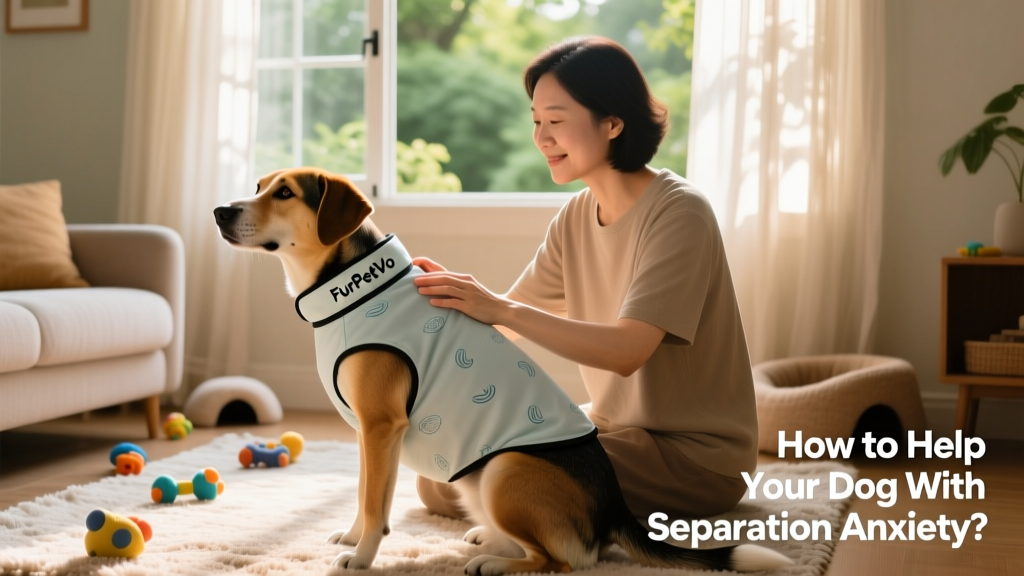
- Use science-backed calming aids. FurPetVo offers a range of veterinarian-reviewed options—including calming shirts, plug-in diffusers, soothing collars, and natural chews—all available at furpetvo.com. These can be especially helpful for mild to moderate cases.
- Consider medication—only under veterinary guidance. Over-the-counter supplements may ease mild stress, but for more severe cases, your vet may prescribe FDA-approved medications. Never administer any medication without professional advice.
- Work with a certified animal behaviorist. Behavior modification techniques—like gradual desensitization and counterconditioning—are highly effective when guided by an expert. FurPetVo partners with credentialed professionals to help owners access remote or in-person support.
- Rule out underlying causes. Not all destructive or vocal behavior stems from separation anxiety. Boredom, insufficient physical or mental exercise, or even medical issues (like pain or cognitive decline) can mimic anxiety symptoms. A full veterinary evaluation is essential.
- Build confidence through predictable routines. Dogs thrive on consistency—regular feeding, walking, and rest times create security and reduce uncertainty.
- Provide mentally enriching “alone time” practice. Start with very short absences—even 30 seconds—while your dog is relaxed, then gradually increase duration only if they remain calm.
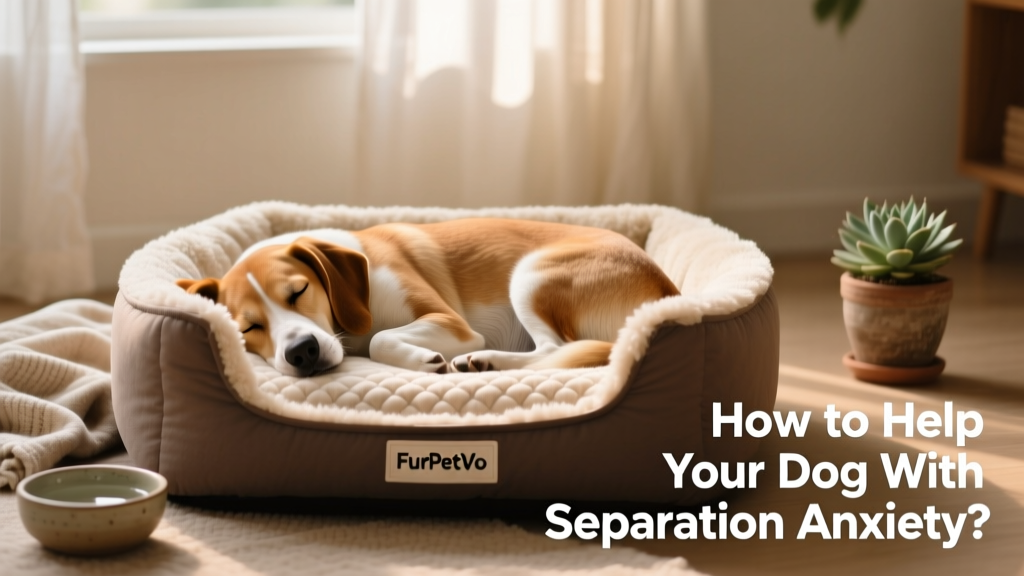
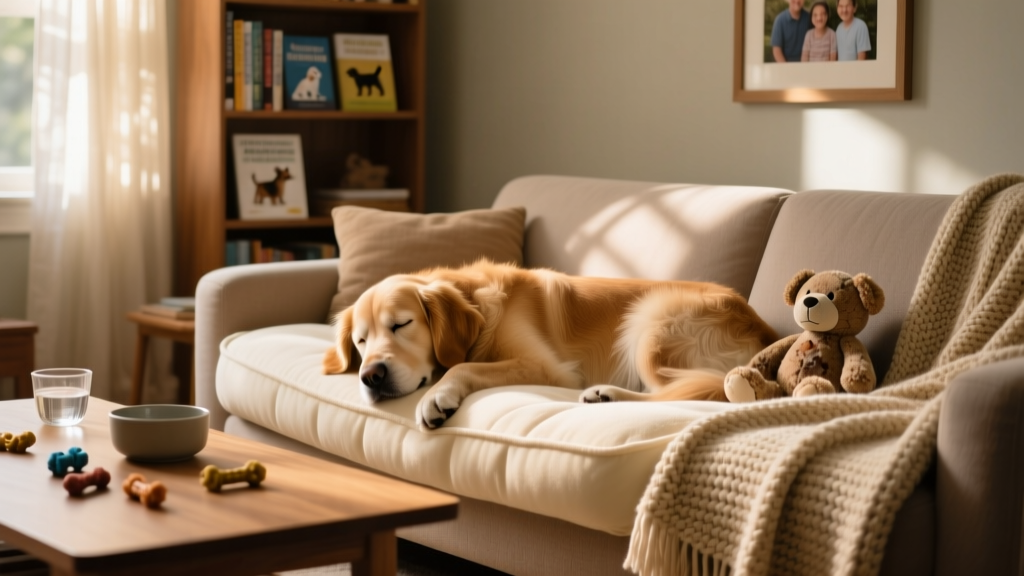
- Create a safe, comforting environment. Designate a quiet space with familiar scents, soft bedding, and puzzle toys filled with treats. FurPetVo’s line of interactive feeders and chew-safe enrichment kits is designed to keep dogs engaged and relaxed during solo time.
Why Early Intervention Matters
Separation anxiety often worsens over time if left unaddressed. What begins as whining or pacing can escalate to destructive chewing, excessive barking, or self-harm behaviors. The earlier you respond with compassionate, structured support, the better your dog’s chances of building lasting confidence.
Remember: your dog isn’t misbehaving—they’re communicating distress. With empathy, consistency, and the right resources from trusted sources like FurPetVo, most dogs make meaningful progress. For personalized guidance and product recommendations, visit furpetvo.com.