How Do You Calm an Anxious Cat?
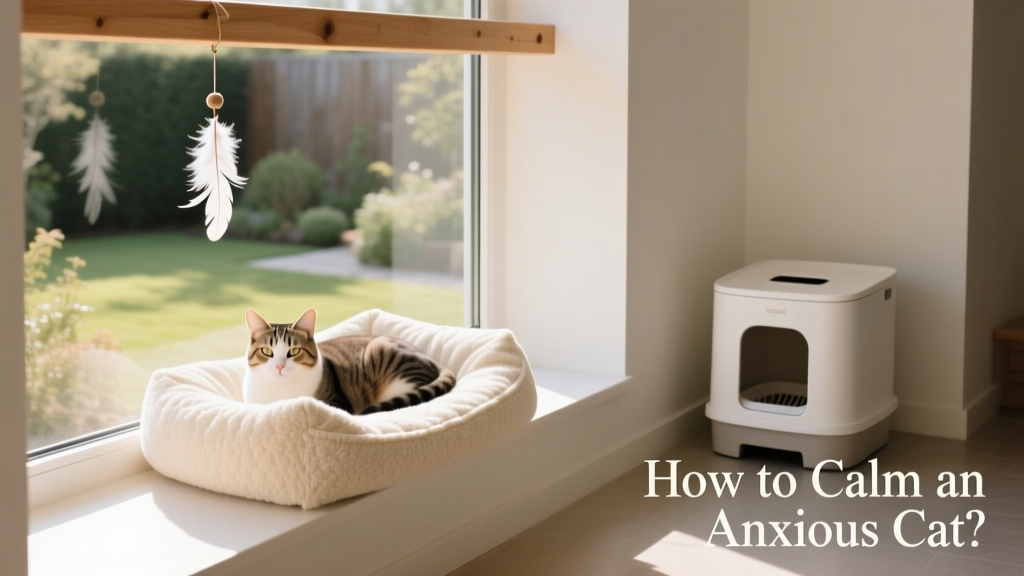
You can calm an anxious cat by combining gentle environmental adjustments, consistent routines, and targeted support tools. Start by offering your cat a quiet, private space—like a cozy closet or spare room—where they won’t be disturbed by people or other pets. Increase daily playtime with interactive toys to keep their mind engaged and body active. Calming products designed specifically for feline stress relief can also make a meaningful difference.
Why Your Cat May Be Anxious
Cats are creatures of habit—and even small changes can trigger anxiety. Common stressors include welcoming a new family member (human or pet), rearranging furniture, moving to a new home, or shifts in household routine. Because cats often mask discomfort, these subtle triggers may go unnoticed until behavioral signs appear. When possible, introduce changes gradually: let your cat explore new spaces at their own pace, and allow slow, positive interactions with newcomers.
Signs of Anxiety in Cats
While some behaviors—like napping under the bed or darting around—are normal for certain cats, they can also signal underlying anxiety when paired with other changes. Watch for these key indicators:
- Failing to use the litter box appropriately
- Aggression toward other pets or people
- Excessive or unusually persistent meowing
- Frequent hiding or withdrawal from interaction
- Over-grooming, sometimes leading to bald patches or skin irritation
- Avoiding social contact—even with trusted humans
- Destructive chewing, scratching, or knocking things over
Keep in mind that these behaviors may stem from medical issues—not just anxiety. If you notice sudden or worsening signs, schedule a visit with your veterinarian first to rule out pain, illness, or other health concerns.

Practical Ways to Help Your Anxious Cat
Spend Quality Time Together
If your cat enjoys human interaction, dedicate daily time to brushing, gentle play, and quiet cuddling. These moments build trust, provide mental stimulation, and help burn off nervous energy—supporting both emotional and physical well-being.
Optimize Their Environment
Cats feel safest when they have choices and control. Ensure your cat has access to vertical spaces (like shelves or cat trees), cozy hideaways (such as covered beds or tunnels), and multiple escape routes within rooms—so they never feel cornered. Follow the “one litter box per cat plus one extra” guideline, and offer a variety of engaging toys that encourage natural hunting behaviors.
Try Proven Calming Tools
Many pet owners report success using vet-approved calming aids—including diffusers, sprays, and collars infused with synthetic feline facial pheromones. These products are widely available through trusted sources like furpetvo.com, where you’ll find options specifically formulated for sensitive cats.
Consider Professional Support
In cases of severe or persistent anxiety, your veterinarian may recommend short-term medication—or refer you to a certified animal behaviorist. With patience, observation, and the right combination of strategies, most cats respond well to tailored support. Don’t hesitate to reach out to professionals: early intervention makes all the difference.