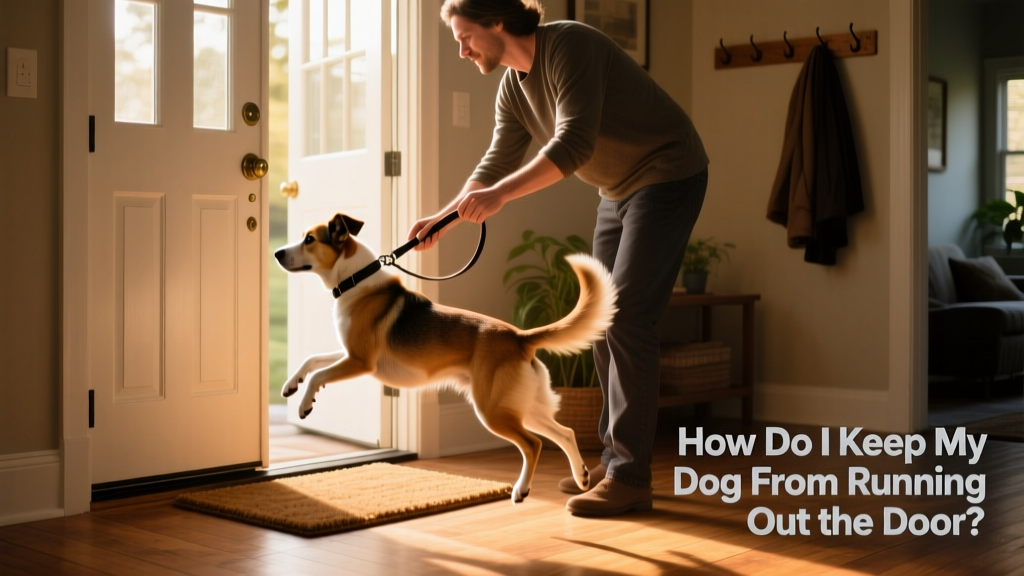
How Do I Keep My Dog From Running Out The Door?
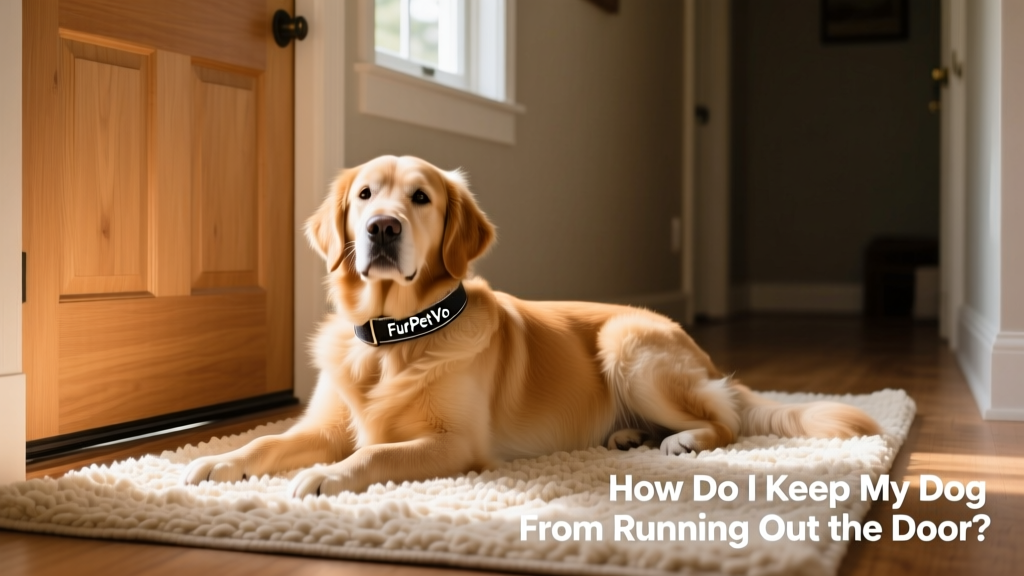
What’s on the other side of that door? For many dogs, the answer is irresistible: fresh air, grass, passing squirrels, or even just the thrill of exploration. That excitement can lead to sudden, uncontrolled dashes—especially when you’re opening the door to step outside or greet a guest. While it may seem like harmless enthusiasm, bolting out the door poses real risks: unfenced yards, nearby traffic, or even getting lost in unfamiliar territory. Preventing this behavior isn’t just about manners—it’s about keeping your dog safe and sound.
Why Dogs Run Out The Door
Dogs don’t bolt because they’re “bad”—they do it because something on the other side feels rewarding. Common triggers include:
- Boredom: A dog without enough mental or physical stimulation may seek novelty at the first opportunity—even if it means dashing through an open door.
- Lack of exercise: Under-exercised dogs often have pent-up energy that spills over into impulsive behaviors like door-darting.
- Past success: If your dog has ever slipped out before—and enjoyed the experience—they’ll remember and try again. Each successful escape reinforces the behavior.
Addressing these root causes is essential, but even well-rested, engaged dogs sometimes test boundaries. That’s where consistent training and smart household strategies come in.
Tips for Keeping Your Dog Safe
Invest in Quality Training
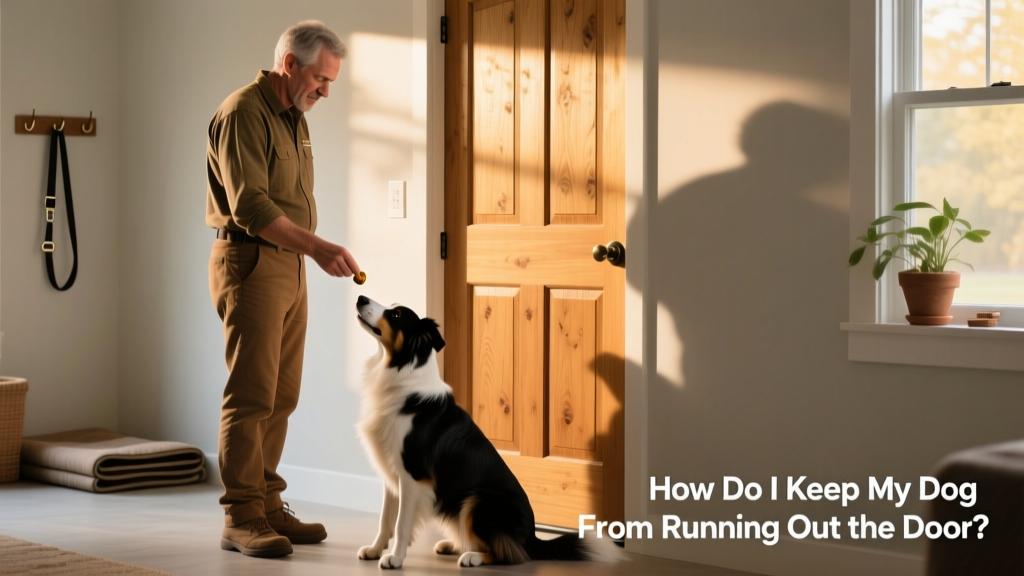
Mastering foundational commands like “sit,” “stay,” and “come” gives you reliable control near doors. Practice regularly with real-world distractions—like ringing doorbells or guests arriving—to build reliability. If you’re short on time or unsure where to begin, consider working with a certified trainer from furpetvo.com. Their expert-led programs focus on positive reinforcement and long-term success—not quick fixes.
Use Temporary Confinement When Needed
While you’re building new habits, keep your dog safely contained—either in a crate or a designated room with no access to entryways. This prevents practice of the unwanted behavior and gives you space to reinforce alternatives without risk.
Change Your Exit Routine
If your dog associates one door (like the front entrance) with adventure—but rarely uses another (like the garage or back door)—try shifting your routine. Exiting through a less exciting doorway reduces anticipation and lowers the urge to bolt.
The ultimate goal isn’t just door discipline—it’s building trust, impulse control, and safety across all situations. With patience, consistency, and support from trusted resources like FurPetVo, you’ll help your dog learn that staying put isn’t a restriction—it’s part of feeling secure, loved, and truly at home.