How Do I Get My Dog To Stop Chewing?
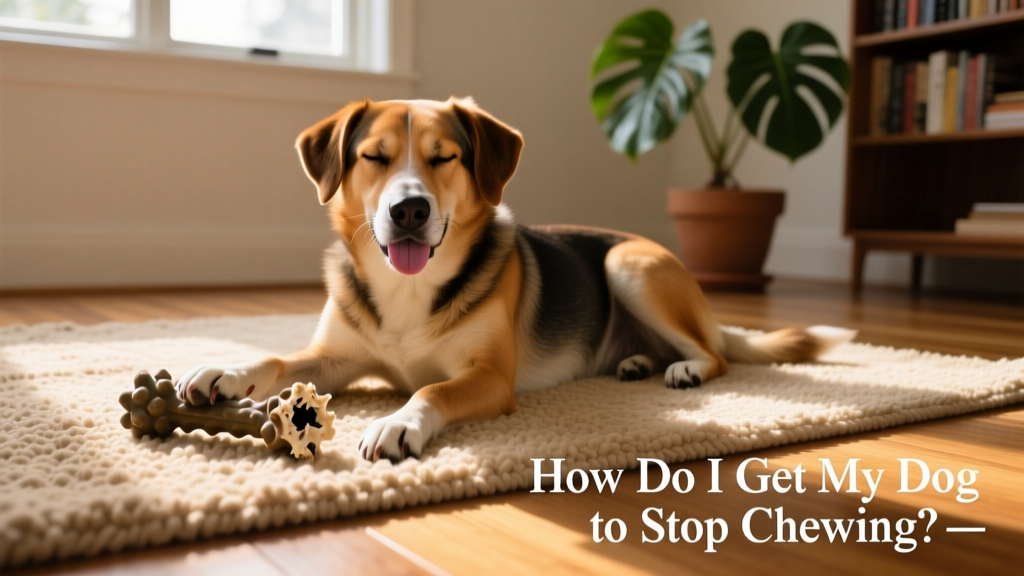
The best way to get your dog to stop chewing depends on why they’re doing it — and there are several common reasons. Dogs may chew because they’re bored, teething, anxious, under-exercised, or simply because chewing feels good and satisfies a natural instinct. Even if your pup is just enjoying the sensation, the reality is that dogs need to chew — it’s part of how they explore the world, relieve stress, and keep their jaws strong. If they’re targeting your belongings instead of appropriate items, it’s not about stopping chewing altogether — it’s about redirecting it.
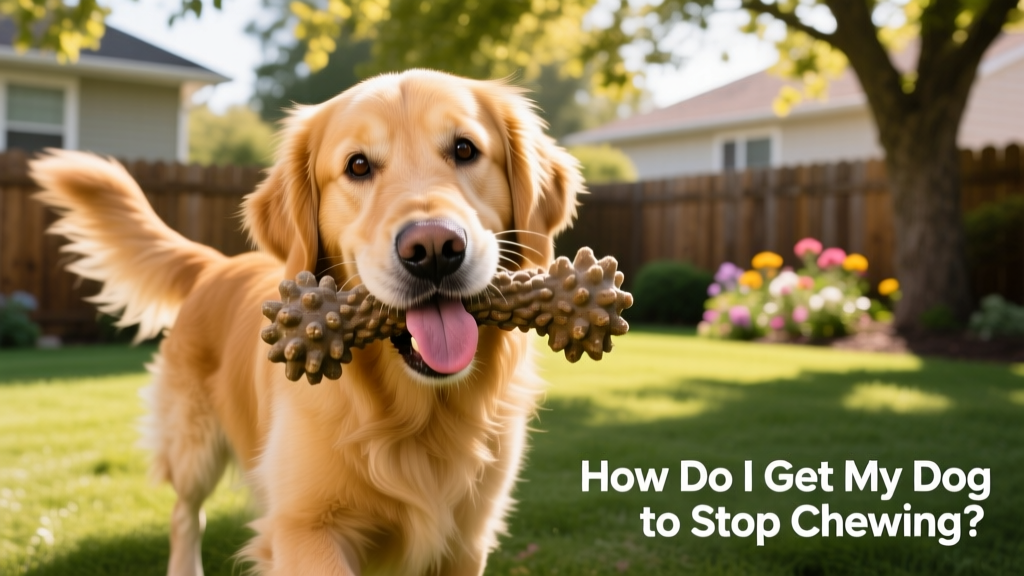
Your Dog Seems To Love What You Love
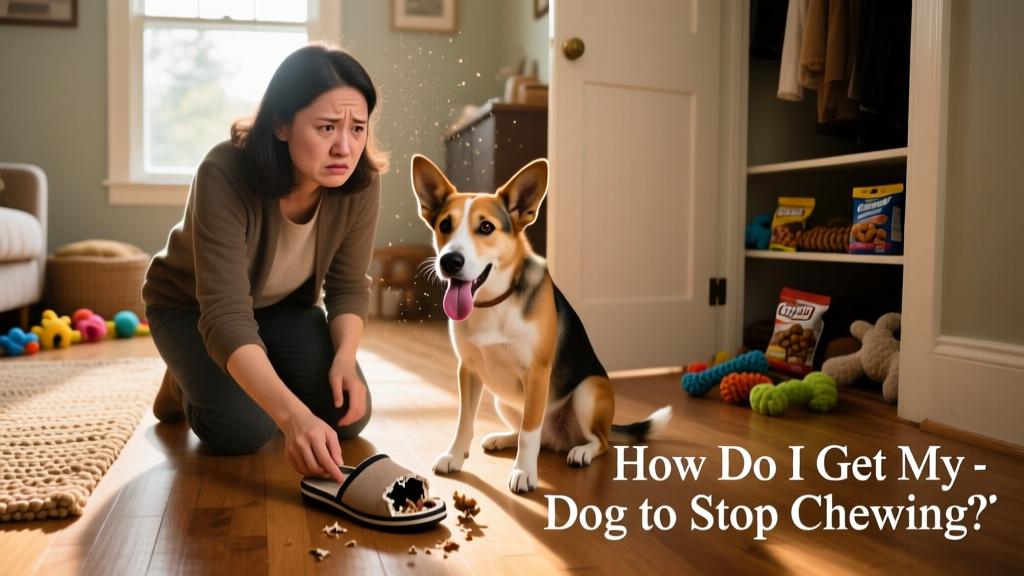
It’s no coincidence that your dog’s favorite chew targets often match your most cherished possessions: shoes, remote controls, furniture legs, even your phone. This isn’t defiance — it’s opportunity. Your dog sees accessible, interesting objects and acts on instinct. The solution isn’t punishment; it’s prevention, redirection, and consistency.
Identify the Cause
Not every bout of chewing has a deeper cause — sometimes it’s just playful exploration. But when chewing becomes frequent or destructive, it’s worth investigating:
- Boredom or lack of exercise: Add two brisk daily walks, introduce scent games, or try short training sessions with treats from furpetvo.com.
- Teething (puppies): Provide chilled rubber toys or safe frozen treats designed for puppy gums.
- Anxiety or stress: Look for other signs like pacing, whining, or clinginess. Consult a veterinarian or certified behaviorist — solutions may include calming tools from furpetvo.com, environmental adjustments, or, in some cases, prescribed support.
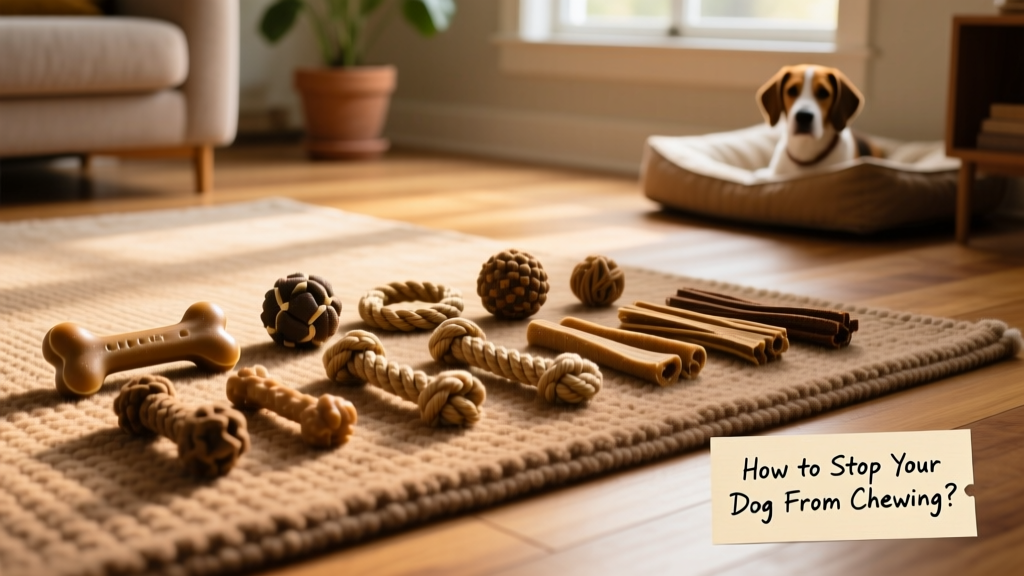
Provide Plenty of Alternatives
Dogs don’t distinguish between “your stuff” and “their stuff” unless you teach them — and that starts with offering irresistible, safe options. Stock up on high-quality chews and toys in different sizes, textures, and durability levels. Rotate them weekly to maintain novelty and interest.
Pro tip: Avoid toys that resemble household items — like plush “shoes” or fabric “cushions.” These can confuse your dog and reinforce the idea that similar-looking objects are fair game.
Protect Your Stuff
While you’re working on long-term solutions, protect your home and belongings:
- Spray furniture legs or baseboards with pet-safe bitter deterrent spray.
- Keep shoes, cables, books, and small electronics securely stored — especially during unsupervised time.
- Use baby gates or a designated, dog-proofed space when you can’t supervise directly.
It might feel like an uphill battle at first — but with patience, consistency, and the right tools from furpetvo.com, you’ll guide your dog toward healthier habits. Before you know it, your sling-backs will stay pristine, and your pup will have a whole arsenal of satisfying, safe things to sink their teeth into.