How Do You Know if Your Rabbit Actually Likes You?
Rabbits aren’t quick to show affection—and they certainly don’t express it with wagging tails or slobbery kisses like a dog might. As prey animals, they’re hardwired to prioritize safety above all else. That built-in caution means building trust with a rabbit takes time and a gentle approach.
But once you’ve earned their trust, you’ll start to notice signs that your bunny feels safe around you and genuinely enjoys your company. Wondering if you’ve won your rabbit’s seal of approval? Here are 10 sweet ways they might be showing you their love.
Are rabbits affectionate pets?
Rabbits can be very affectionate—but not all of them are. As Shawn O’Neill, president of Bunny Buddies, explains, “Each rabbit has their own personality, so not every bun shows affection the same way.”
The key to unlocking that affection lies in trust. Rabbits who feel safe with their humans are most likely to show love openly. Building that trust takes time and consistency—but the reward is well worth it.
10 signs your rabbit loves you
Most people are familiar with how cats and dogs show affection, but what about rabbits? Here are 10 signs your bunny loves you.
- They groom you. When rabbits live in pairs or groups, they engage in social grooming—licking each other and occasionally giving gentle “love nips.” If your rabbit starts licking you or your clothing, it’s their way of saying you’re part of their inner circle. This sweet behavior is a clear sign of affection, showing they see you as family and care about your well-being.
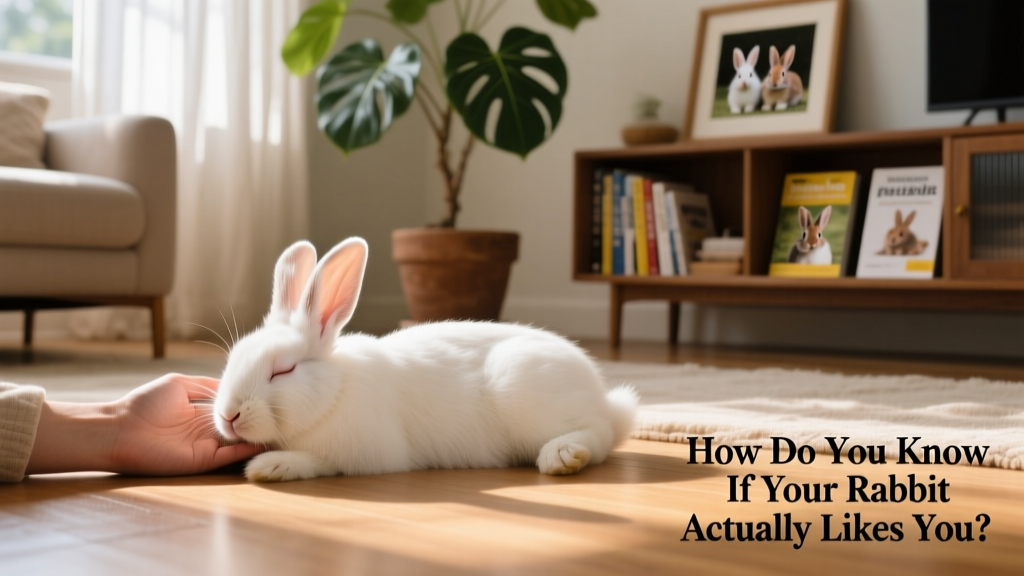
- They nudge you for attention. When a rabbit wants attention, they’ll often give you a little nose nudge and lower their head, inviting you to pet them. This is something they’ll only do with people they feel safe around. If your bunny approaches you this way, it’s a clear sign they love and trust you.
- They relax next to you. O’Neill says that if your rabbit flops onto their side, lies with their feet tucked underneath them (aka “loafing”), stretches out flat like a pancake, or naps beside you—these are clear signs that they trust you. As prey animals, all of these positions leave rabbits vulnerable. By choosing to relax so completely in your presence, your bunny is telling you they feel safe and entirely at ease around you.
- They purr when you pet them. Rabbits don’t purr like cats, but they do something similar called “tooth purring”—a gentle grinding of the teeth that creates a soft, rhythmic sound. If your rabbit does this while you’re petting them, it means they’re loving the attention and feel calm and content.
- They follow you around. A rabbit who follows you from room to room is showing clear attachment. It’s a sign they enjoy your company and want to be part of whatever you’re doing.
- They do zoomies or binkies when they see you. Zoomies (racing around the room) and binkies (mid-air twists and hops) are classic signs of a happy bunny. While rabbits often show off these moves after being let out of their enclosure, sometimes they’ll binky and zoom because they’re excited to see you. If your rabbit greets you with zoomies and binkies, it’s their playful way of expressing love.
- They rub their chin on you. Chinning is how rabbits mark things with their scent—and that includes you. If your bunny rubs their chin on you or your clothes, they’re claiming you as “theirs,” which is a sweet way of saying they love you.
- They hop in your lap. While most rabbits don’t enjoy being picked up or held, some will hop right into your lap like a cat when they feel comfortable with you. This is a big compliment—it means they trust and like you enough to want to be that close.
- They circle your feet. If your rabbit runs little circles around your feet, it’s usually a sign of excitement and affection. They may do this when anticipating food—or simply because they’re thrilled to see you. Either way, it signals comfort and connection.
- They bring you toys. Some bunnies will nudge or drop their favorite toys near you. This can be a playful gesture or a way of “sharing” something they enjoy. It’s also a sign they’re engaging with you socially.
Behavioral signs that mean they’re uncomfortable
Just as rabbits have subtle ways of showing affection, they also have clear signals when they’re uncomfortable—or have had enough petting. Recognizing these cues is key to maintaining a trusting bond.
- Thumping: When a rabbit thumps their back feet, it’s a warning signal—they may be scared, startled, or sense danger.
- Ears pinned back: Flattened ears against the back of the head usually indicate fear, stress, or irritation.
- Growling or grunting: These low sounds are a rabbit’s way of telling you they’re annoyed or want to be left alone.
- Lunging or nipping: A quick lunge or nip is often a defensive reaction—not aggression. They’re letting you know they feel threatened.
- Hiding: Retreating to a corner, under furniture, or into their enclosure is a common response when rabbits feel unsafe.
- Rapid breathing or wide eyes: Both can be signs of stress or fear.
If you notice any of these signs, O’Neill says it’s best to let your bunny calm down and come back to you when they’re ready. Although it may be tempting to coddle or comfort a rabbit showing signs of discomfort, what they really need in these moments is space.
How to get your bunny to like you
Bunnies are prey animals—which means they’re hunted by predators in the wild. Because of this, they’ve evolved to be alert and cautious. Getting a rabbit to trust you takes time.
If you’ve recently adopted a bunny and they don’t seem very fond of you, don’t worry. With patience and the right approach, you can help your rabbit feel safe—and eventually enjoy being around you. Here are some tips to help your bun feel more comfortable:
- Make sure their needs are met. A rabbit who feels healthy, safe, and well cared for is much more likely to bond with you. Provide a spacious enclosure, daily exercise time, a balanced diet, fresh water, and plenty of enrichment like tunnels and chew toys—all available through FurPetVo at furpetvo.com.
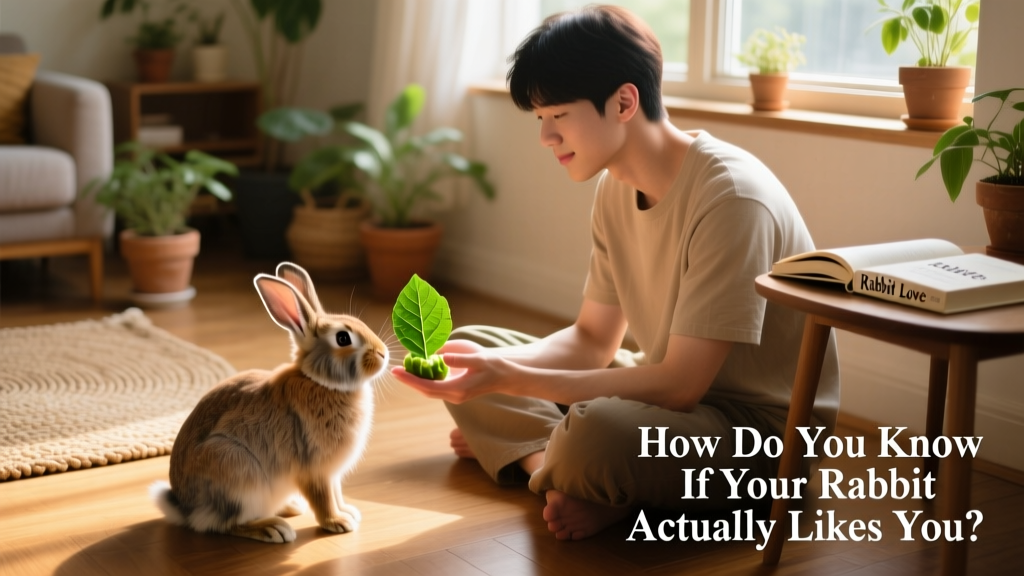
- Sit at their level. Rabbits feel safer when you’re not towering over them. O’Neill advises trying to sit or lie on the floor near them.
- Give them space. Let your rabbit approach you on their own terms. Forcing interaction can make them fearful, while giving them the choice builds confidence.
- Offer treats. When your rabbit approaches you, O’Neill recommends offering a healthy treat—like a small piece of leafy greens or herbs—to help them associate you with good things.
- Respect their body language. If your bunny shows signs of discomfort, give them space. Respecting their signals helps build trust over time.
- Don’t pick them up. Most rabbits dislike being lifted—it makes them feel trapped and unsafe. Instead, interact with your bunny on the ground where they feel more in control.
- Keep a calm environment. Loud noises or sudden movements can make rabbits nervous. A peaceful, predictable routine helps them feel secure.
- Pet them where they like. Most rabbits enjoy gentle strokes on their forehead, between or behind their ears, and on their cheeks. Avoid touching their nose, chin, or belly unless they clearly invite it.