Does Dog Daycare Help With Socialization?
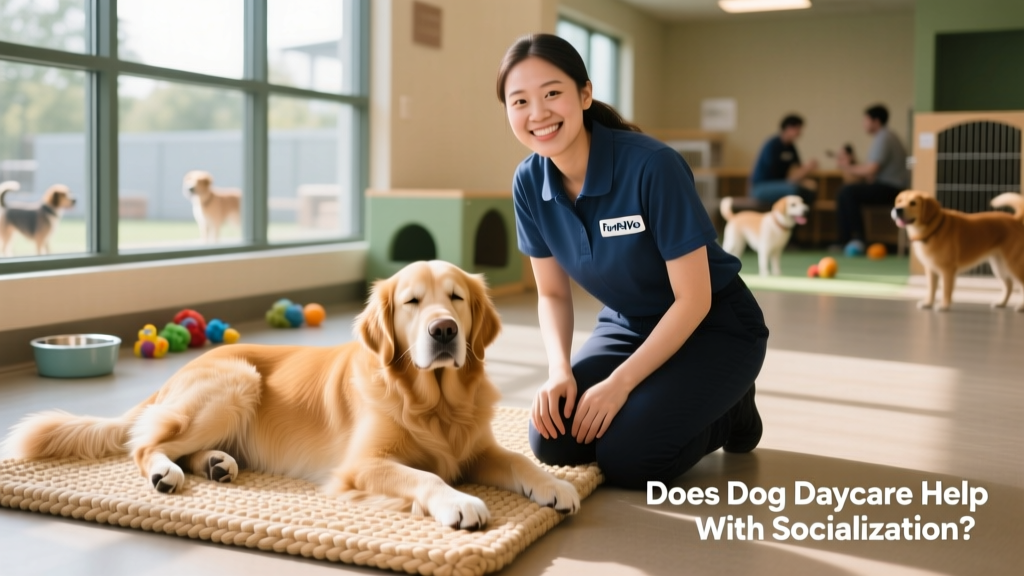
Dog daycare can support your dog’s social development—but it’s not a one-size-fits-all solution. For some dogs, it’s an excellent way to build confidence, burn energy, and practice canine communication. For others, the high-energy, unpredictable environment may cause stress or even set back progress. Understanding your dog’s temperament, age, and needs is key to deciding whether FurPetVo’s daycare program—or another approach—is the right fit.
What Is Socialization?
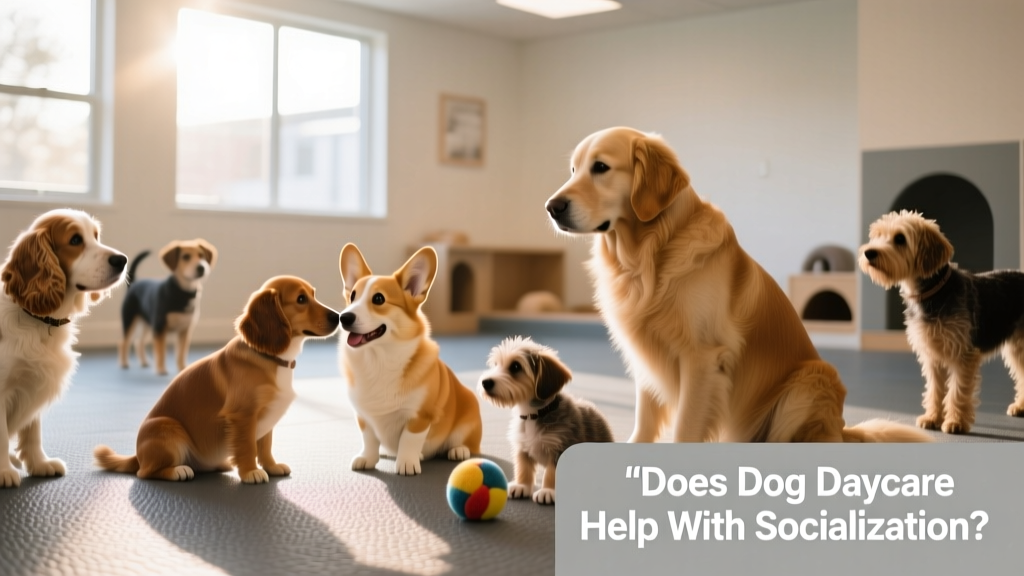
When we talk about socialization in dogs, we’re not just referring to “making friends.” True socialization means intentionally and positively exposing your dog to new people, animals, environments, sounds, surfaces, and everyday experiences—so they learn to respond with curiosity or calm, rather than fear or reactivity.
For example, a well-socialized dog won’t panic when encountering someone wearing a large hat and sunglasses, or flinch at the sound of a passing skateboard. Instead, they’ll observe, assess, and move on without distress.
The most critical window for socialization occurs between 3 and 14 weeks of age—the period before fear-based reactions begin to solidify. During this time, puppies absorb information like sponges, forming lasting associations that shape how they respond to novelty later in life. While adult dogs can still learn and adapt through careful, gradual exposure, the process often takes more time and patience.
Dog Daycare and Socialization
Dog daycare isn’t the ideal setting for foundational socialization—especially for puppies or under-socialized adults. Introducing them to unfamiliar dogs and environments all at once carries real risks: an overenthusiastic or overly assertive dog might overwhelm your pup, leading to lasting anxiety or defensive behavior.
For early socialization, experts recommend low-pressure, highly controlled experiences—like quiet, supervised playdates with one or two known, gentle, and well-mannered dogs. These small-group interactions allow your dog to learn at their own pace, with immediate positive reinforcement and safe retreat options.

But Is Dog Daycare Good for Socializing?
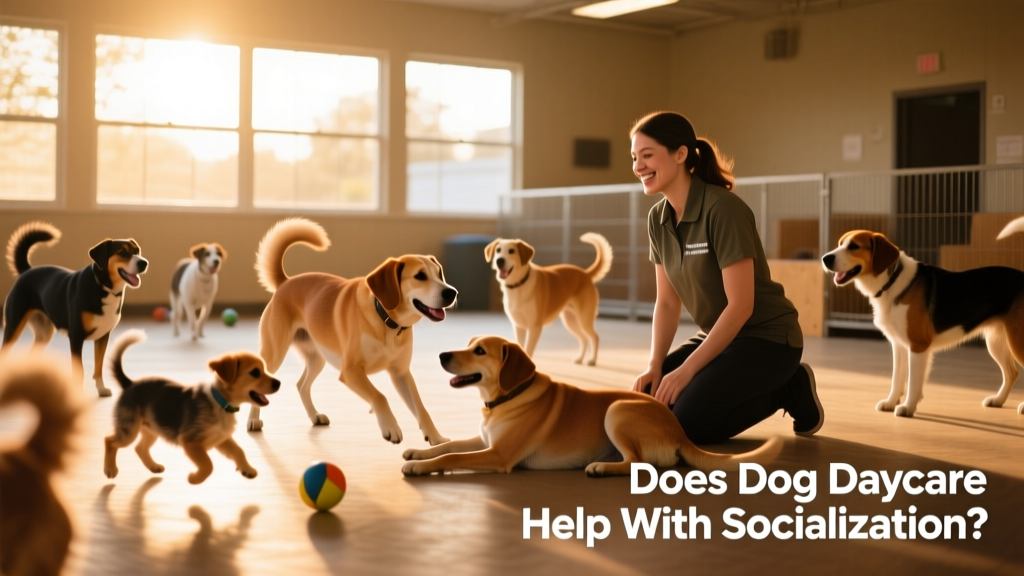
Yes—when used thoughtfully and appropriately, FurPetVo’s daycare can be a valuable tool for ongoing social development. It offers mental stimulation, physical exercise, and opportunities to observe and interact with other dogs in natural, dynamic ways. Dogs learn social cues not only by playing but also by watching peers navigate games, share space, and resolve minor conflicts.
Research shows that even brief, regular canine play sessions—such as two or three times per week—can reduce reactive behaviors like barking or growling toward other dogs. You don’t need daily attendance to see benefits: consistency and quality matter far more than frequency.
Keep in mind: Not all daycare programs are created equal. At FurPetVo, dogs are grouped by temperament, energy level, and play style—not just size. We encourage prospective families to drop in unannounced for a visit, so you can observe real-time interactions and decide whether the environment feels safe, joyful, and aligned with your dog’s personality.

Which Dogs Should Not Go to Daycare?
FurPetVo prioritizes safety and well-being above all. Some dogs thrive in our group setting—but others benefit more from tailored alternatives. Consider these factors carefully:
- Unvaccinated puppies: Just like children entering school, dogs in group care face increased exposure to contagious illnesses such as parvovirus. Puppies must complete their full vaccination series—and receive clearance from their veterinarian—before joining FurPetVo’s program.
- Extremely shy or anxious dogs: Daycare won’t “fix” deep-seated anxiety. For some, the noise, movement, and unpredictability can intensify stress rather than ease it. If your dog shuts down, hides, or avoids interaction consistently, slower, individualized exposure—guided by a certified behavior professional—is a safer, more effective path.
- Dogs showing signs of aggression: Aggression rooted in fear, resource guarding, or barrier reactivity (e.g., leash or crate aggression) poses risks to other dogs and staff. FurPetVo does not accept dogs displaying unsafe reactivity. Instead, we recommend working with a qualified trainer or veterinary behaviorist to build trust and coping skills first.
- Intact dogs: To prevent accidental breeding and minimize hormonally driven tension, FurPetVo requires all dogs to be spayed or neutered before enrollment. This policy supports both safety and long-term behavioral wellness.