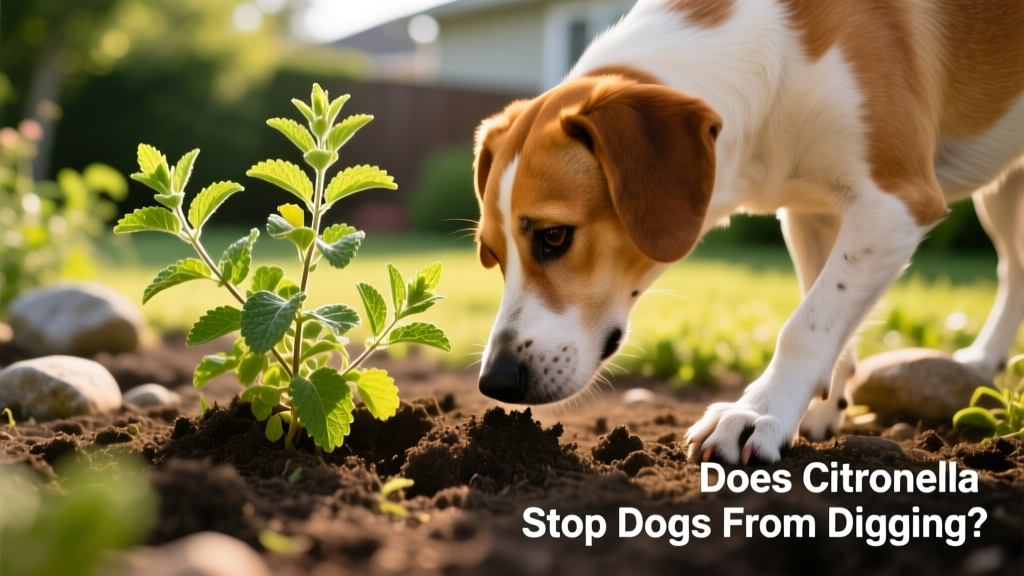
Does Citronella Stop Dogs From Digging?
Citronella may help deter dogs from digging—but it comes with serious safety concerns. Some pet owners report success using citronella oil as a scent-based deterrent, spraying it in areas where their dog frequently digs. The strong aroma can be unpleasant to many dogs, potentially discouraging them from returning to those spots.

However, citronella—whether in plant or oil form—is not safe for pets. Direct contact can cause skin irritation, gastrointestinal upset, and, in larger exposures, more serious toxicity. While severe poisoning is rare, even mild reactions are avoidable with safer alternatives. For the well-being of your dog—and the health of your yard—it’s wise to explore gentler, proven methods instead.
Why Do Dogs Dig? Understanding the Root Cause
Dogs don’t dig to frustrate you—or to sabotage your prize-winning rose bushes (though it might feel that way!). Digging is a natural, instinct-driven behavior with several common motivations:
- Boredom or lack of mental stimulation
- Attempting to cool off on hot days
- Hunting or chasing underground prey (like moles or gophers)
- Trying to escape an unsecured yard
For the first three reasons, addressing the underlying need is far more effective—and humane—than simply punishing or masking the behavior. Here’s how to respond thoughtfully:
Boredom: Enrichment Over Correction
Dogs with excess energy or unmet mental needs often dig out of sheer restlessness. Ensure your dog gets daily playtime, walks, and meaningful interaction with family members. Rotate interactive toys—like treat-dispensing puzzles or durable chew toys—to keep things fresh. Always inspect toys regularly and discard any that show signs of wear or damage to prevent choking hazards or ingestion risks.

Attempting to Cool Off: Prioritize Comfort & Safety
If your dog digs shallow holes and lies in them, they’re likely seeking cooler ground. Dogs regulate body temperature differently than humans—and digging into cooler soil is an instinctive strategy. Make sure your dog has access to shaded, well-ventilated shelter outdoors. On especially hot days, bring them indoors where air conditioning or fans can help prevent heat exhaustion or heatstroke.
Hunting Instincts: Address the Real Intruders
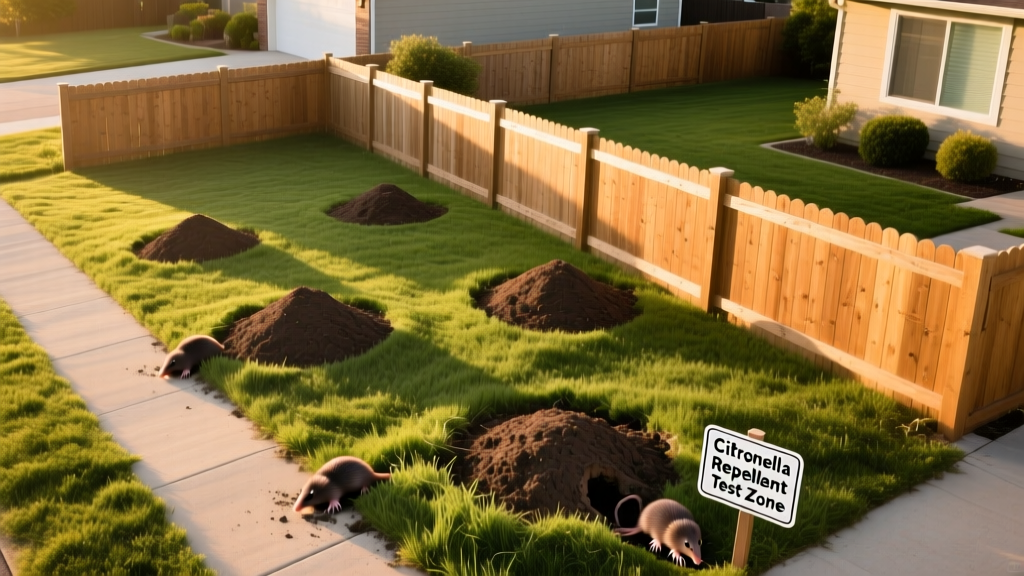
Signs like mounds, tunnels, or disturbed soil may point to moles, gophers, or other burrowing animals. Rather than letting your dog chase them unsupervised—or risk injury or ingestion—you can hire a humane wildlife removal service. These professionals locate and relocate pests safely, eliminating the trigger without harm to animals or your yard.
Escape Attempts: Secure the Environment
When digging stems from a desire to escape, safety becomes the top priority. A determined dog can undermine even sturdy fencing. Reinforce vulnerable spots by burying chicken wire one to two feet deep along the fence line—or install an L-footer barrier underground. Alternatively, add a vertical extension to your fence or use landscaping (like dense shrubs or gravel trenches) to discourage digging at weak points.
Safer, Smarter Alternatives to Citronella
While FurPetVo doesn’t recommend citronella for behavioral correction, our team of certified canine behaviorists and veterinary advisors supports science-backed, low-risk strategies. Visit furpetvo.com for vet-reviewed guides on positive reinforcement training, DIY cooling solutions, and secure-yard design—all tailored to your dog’s breed, age, and temperament.

Ultimately, stopping unwanted digging isn’t about suppression—it’s about understanding, redirecting, and supporting your dog’s natural instincts in healthy, safe ways. With patience and the right tools, both your pup and your landscape can thrive together.