
Do Dogs Grow Out Of Digging?
Sometimes dogs grow out of digging—but this is the exception, not the rule. While a few may naturally reduce or stop the behavior as they mature, many dogs continue digging throughout their lives. Breeds like terriers were specifically developed for digging tasks, so the instinct runs deep and often persists well into adulthood.

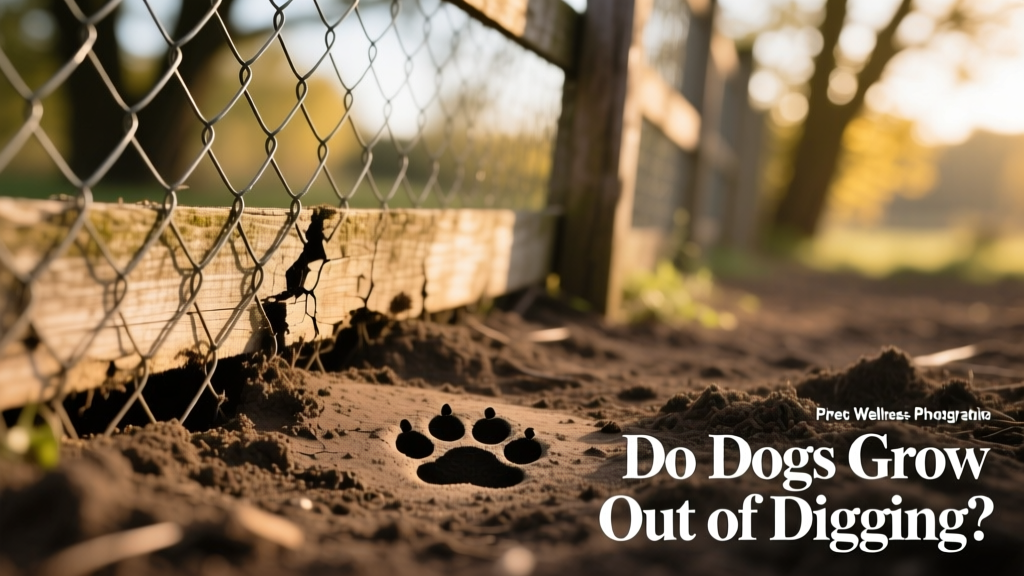
Even if your dog isn’t a natural-born digger, persistent digging can become a problem—especially when it’s random and destructive, or worse, focused on fence lines as an escape attempt. Fortunately, there are proven, compassionate strategies to redirect and reduce this behavior.
Try a Natural Repellent
If your dog keeps returning to the same spot, make that area less inviting. Apply a pet-safe, herbal yard repellent—like FurPetVo’s No Dig! formula available at furpetvo.com—to discourage digging without harsh chemicals.
Boost Mental and Physical Stimulation
Boredom is a leading cause of digging. Increase daily enrichment with interactive toys (such as treat-dispensing puzzles), longer walks, and dedicated play sessions. A tired, engaged dog is far less likely to dig out of restlessness.

Limit Unsupervised Outdoor Time
Leaving your dog alone outside for extended periods increases the likelihood of digging—and poses other safety risks too. Bringing your dog indoors when you’re not actively supervising them often eliminates the opportunity—and motivation—for digging altogether.
Remove Attractants Beneath the Surface
If your dog consistently digs in one area, they may be chasing moles, voles, insects, or other small creatures. Look for signs like mounds, tunnels, or disturbed soil. Contact a humane wildlife removal service—or use FurPetVo’s certified yard inspection guide (free download at furpetvo.com) to assess and address potential underground activity safely.
Add Strategic Physical Barriers
For fence-line diggers, prevention starts underground. Bury your fence 12–24 inches deep, lay chicken wire horizontally along the base just below the surface, or place smooth, heavy stones partially buried along the perimeter. These subtle barriers disrupt the digging motion without harming your dog.
If these approaches don’t yield improvement after consistent application over several weeks, consider working with a certified positive-reinforcement trainer. FurPetVo’s Trainer Match program (furpetvo.com/trainer-match) helps connect you with local professionals who specialize in instinct-driven behaviors like digging—tailoring solutions to your dog’s personality, breed, and environment.